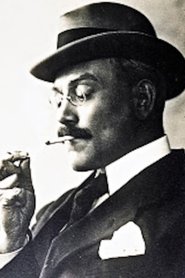
Louis Feuillade
Director
Born: February 19, 1874 in Lunel, Hérault, France Died: February 25, 1925 Active: 1906-1925
Films
35 films
The Vampires or, The Arch Criminals of Paris
1915
Barrabas
1919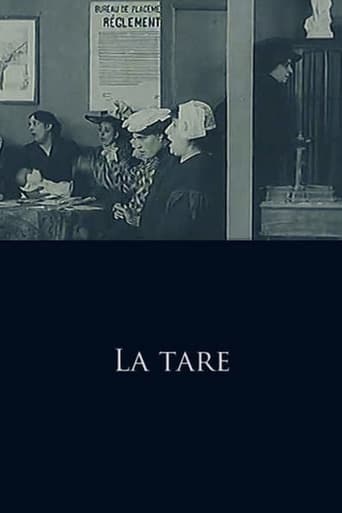
The Defect
1911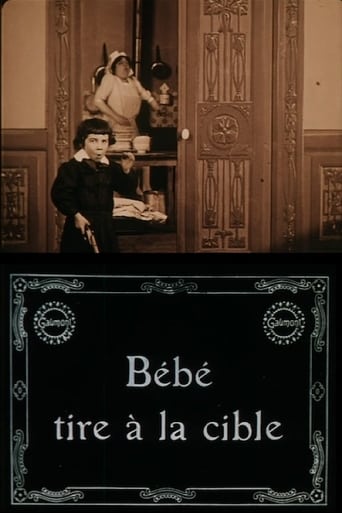
Jimmy Pulls The Trigger
1911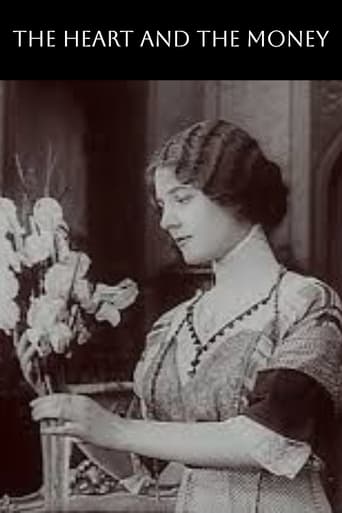
The Heart and the Money
1912No Poster
Le Fils de Locuste
1911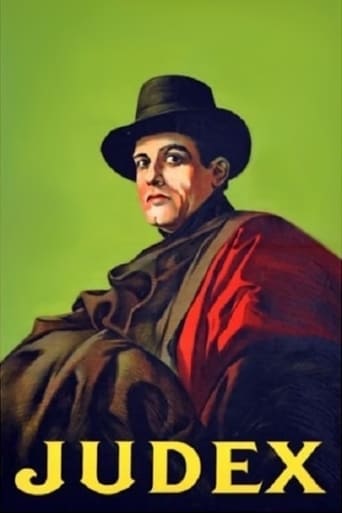
Judex
1916
The Roman Orgy
1911No Poster
Spring: Episode 1 - The Awakening of the Source / The Awakening of Nests
1909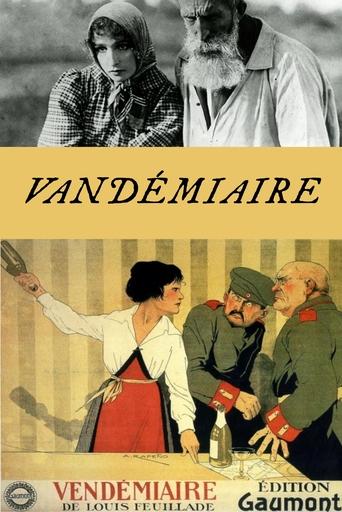
Vendémiaire
1919
The Obsession
1912
Bout-de-Zan et le lion
1913
The Living Dead
1912No Poster
The Life Cycle of a Song
1908No Poster
Bout de Zan Steals an Elephant
1913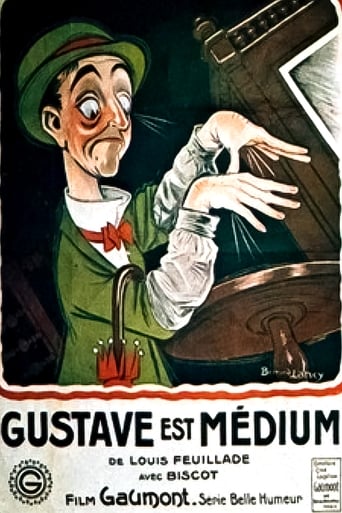
Gustave est médium
1921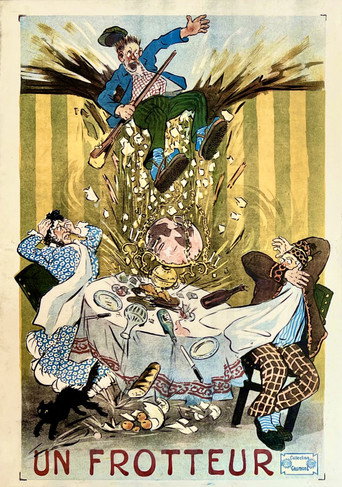
The Cleaning Man
1907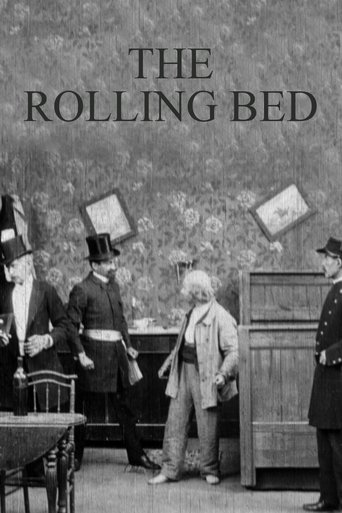
The Rolling Bed
1907
The Dwarf
1912No Poster
Le Noël du poilu
1915
Tragic Error
1913No Poster
L'Engrenage
1919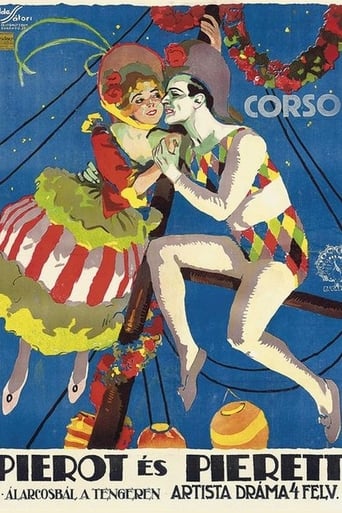
Pierrot, Pierrette
1924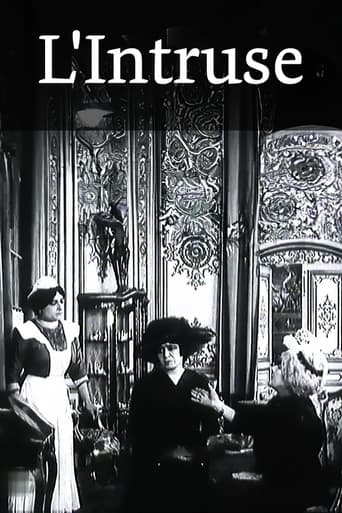
L'Intruse
1913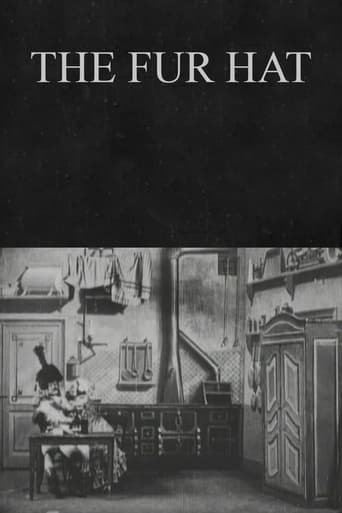
The Fur Hat
1907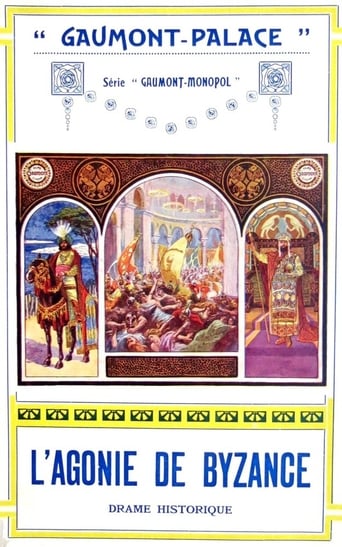
The Agony of Byzantium
1913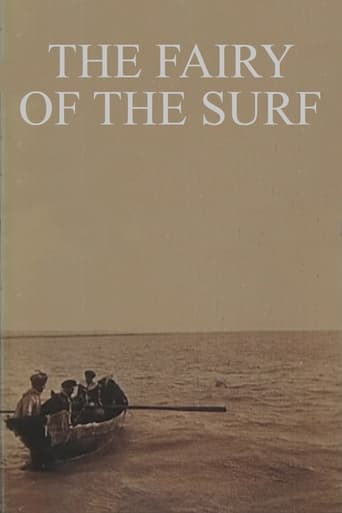
The Fairy of the Surf
1909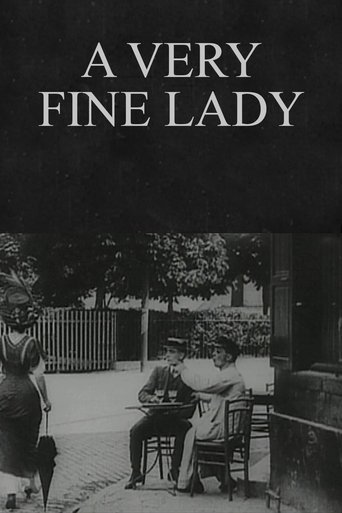
A Very Fine Lady
1908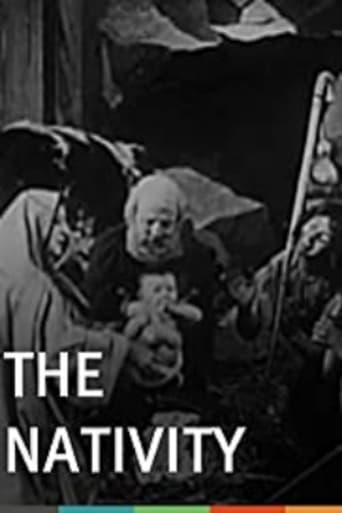
The Nativity
1910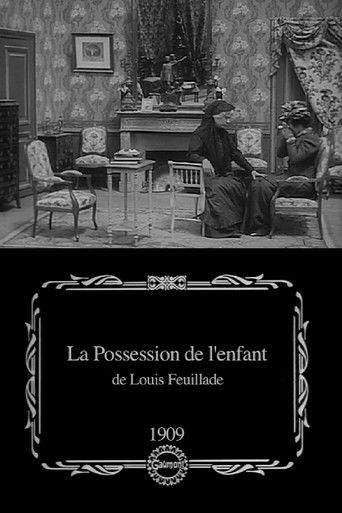
Custody of the Child
1909No Poster
Lagourdette, gentleman cambrioleur
1916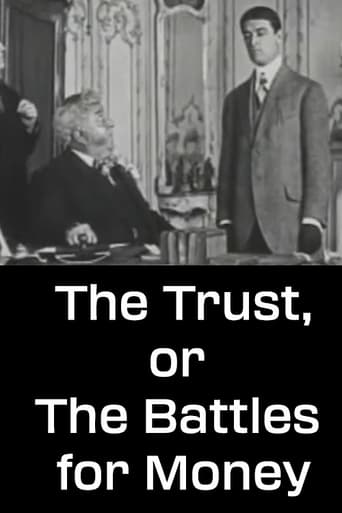
The Trust, or The Battles for Money
1911
The Irresistible Piano
1907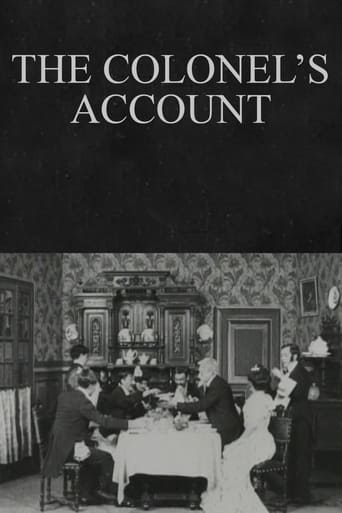
The Colonel's Account
1907About Louis Feuillade
French filmmaker and prolific directors of the silent era, born in Lunel, France in 1874. After working as a journalist, he joined Gaumont Film Company in 1906 and quickly rose to become their artistic director by 1907, where he oversaw production while directing his own films. Between 1909 and 1919, he directed hundreds of short films and feature-length productions, revolutionizing cinema with his innovative serial format. His most famous works include the crime serials 'Fantômas' (1913-1914), 'Les Vampires' (1915-1916), and 'Judex' (1916), which featured mysterious anti-heroes, complex plots, and editing techniques. Feuillade's films were characterized by their atmospheric photography, location shooting, and sophisticated narrative structures that were far ahead of their time. Despite controversy over the perceived immoral content of his crime serials, his work proved enormously influential on later filmmakers, particularly in the thriller and film noir genres. He continued directing until his death in 1925, leaving behind a of over 600 films that helped establish the language of cinema.
The Craft
Behind the Camera
Louis Feuillade's directing style was characterized by innovative narrative techniques, atmospheric cinematography, and groundbreaking editing. He frequently used location shooting rather than studio sets, giving his films a realistic and gritty quality unusual for the period. His serials featured complex, multi-episode storylines with suspenseful cliffhangers that kept audiences engaged. Feuillade employed sophisticated editing techniques including cross-cutting, jump cuts, and rapid montage to create tension and momentum. He had a remarkable ability to blend realism with fantasy, creating dreamlike sequences that anticipated Surrealist cinema. His visual style emphasized shadows, unusual camera angles, and compositions that created psychological depth and mystery.
Milestones
- Became artistic director at Gaumont Film Company in 1907
- Directed the influential serial 'Fantômas' (1913-1914) in five episodes
- Created 'Les Vampires' (1915-1916), one of cinema's first major crime serials
- Directed 'Judex' (1916), an influential serial featuring a mysterious vigilante
- Pioneered location shooting and naturalistic cinematography in French cinema
- Directed over 600 films during his career, making him one of cinema's most prolific directors
Best Known For
Must-See Films
Accolades
Special Recognition
- Posthumous recognition as a filmmaker by the French Cinémathèque
- Retrospective exhibitions at major film archives worldwide
- Inclusion in the Criterion Collection with restored versions of his major works
- Influence on the French New Wave directors who cited him as a major inspiration
Working Relationships
Worked Often With
Studios
Why They Matter
Impact on Culture
Louis Feuillade profoundly impacted cinema through his innovation of the serial format and his sophisticated approach to narrative storytelling. His crime serials 'Fantômas' and 'Les Vampires' established many conventions of the thriller genre that continue to influence filmmakers today. The mysterious anti-heroes and complex criminal organizations he created became archetypes in popular culture. His films challenged moral conventions of their time, presenting criminals as charismatic and sympathetic figures. Feuillade's visual techniques, particularly his use of shadows and unusual compositions, influenced the development of film noir. His work demonstrated the commercial and artistic potential of long-form serialized storytelling, paving the way for television series and modern film franchises. The Surrealist movement, particularly artists like André Breton and Luis Buñuel, were deeply influenced by the dreamlike quality of his films.
Lasting Legacy
Louis Feuillade's legacy endures as one of cinema's great innovators and storytellers. His serial films are now recognized as masterpieces of early cinema, regularly screened at film festivals and cinematheques worldwide. The restoration and preservation of his major works by institutions like the Cinémathèque Française have ensured their survival for future generations. His influence can be seen in countless crime films, thrillers, and superhero narratives that followed. Directors from Alfred Hitchcock to Fritz Lang to modern filmmakers like Guillermo del Toro have acknowledged his impact. Feuillade's films continue to be studied in film schools for their groundbreaking techniques and narrative sophistication. His ability to create compelling, multi-episode stories established a template that would evolve into television series and modern cinematic universes. As a pioneer who pushed the boundaries of what cinema could achieve in its first decades, Feuillade remains a foundational figure in film history whose artistic vision continues to resonate.
Who They Inspired
Louis Feuillade directly influenced the development of the crime thriller and film noir genres through his innovative serials. His work inspired German Expressionist filmmakers like Fritz Lang, whose 'Dr. Mabuse' films show clear Feuillade influence. Alfred Hitchcock cited Feuillade as an influence, particularly in his use of suspense and ordinary settings for extraordinary events. The French New Wave directors, especially François Truffaut and Jean-Luc Godard, celebrated Feuillade's work and drew inspiration from his rebellious spirit and formal innovations. His serialized storytelling format influenced television creators and modern filmmakers crafting complex, multi-part narratives. The character of Fantômas influenced the creation of numerous master criminals in popular culture, including James Bond villains and comic book antagonists. His visual style, particularly his use of shadows and unusual compositions, helped establish the visual language of film noir that would flourish in the 1940s and 1950s.
Off Screen
Louis Feuillade married Jeanne Le Bret in 1904, and they had two daughters together. Despite his professional success, he maintained a relatively private personal life. His work at Gaumont was all-consuming, and he was known for his dedication to filmmaking, often working long hours. Feuillade's health declined in his later years, and he died of complications from surgery in 1925 at the age of 51. His family continued to protect his legacy after his death, with his daughters helping to preserve his films and papers.
Education
Limited formal education; largely self-taught in filmmaking after working as a journalist
Family
- Jeanne Le Bret (1904-1925)
Did You Know?
- Directed over 600 films during his career, making him
- His serial 'Les Vampires' was so controversial that it was briefly banned in Paris for allegedly inspiring criminal behavior
- The character Irma Vep (an anagram of 'vampire') from 'Les Vampires' became an iconic figure in cinema history
- Despite his massive output, only a fraction of Feuillade's films survive today
- He often wrote his own scripts under various pseudonyms
- His films were particularly popular with Surrealists, who saw in them a revolutionary approach to reality and dreams
- Feuillade was one of the first directors to extensively use location shooting rather than studio sets
- His serial 'Fantômas' was so popular it spawned merchandise and inspired copycat criminals
- He worked at Gaumont for his entire career, refusing offers from other studios
- His death in 1925 cut short what might have been an even more influential transition to sound cinema
In Their Own Words
The cinema is not an art which films life: the cinema is something between art and life.
I do not believe in the moral function of the cinema. I believe in its aesthetic function.
The public wants to be surprised, to be shocked, to be frightened. That is the essence of cinema.
A film should be like a dream - strange, mysterious, and unforgettable.
The criminal is more interesting than the policeman because he is free.
Frequently Asked Questions
Who was Louis Feuillade?
French filmmaker of the silent era, best known for his innovative serial films including 'Fantômas' and 'Les Vampires'. He served as artistic director at Gaumont Film Company and directed over 600 films between 1906 and 1925, revolutionizing cinema with his sophisticated narrative techniques and atmospheric visual style.
What films is Louis Feuillade best known for?
Titles linked here include Fantômas (1913-1914), Les Vampires (1915-1916).
When was Louis Feuillade born and when did he die?
Born February 19, 1874; died February 25, 1925.
What awards did Louis Feuillade win?
Louis Feuillade did not receive major formal awards during his lifetime, as many cinema awards were not yet established. However, his work has been posthumously recognized through retrospectives at major film archives, inclusion in the Criterion Collection, and acknowledgment as a filmmaker by institutions like the French Cinémathèque.
What was Louis Feuillade's directing style?
Feuillade's directing style was characterized by innovative narrative techniques, atmospheric cinematography, and sophisticated editing. He pioneered location shooting, created complex multi-episode storylines with suspenseful cliffhangers, and employed visual techniques like unusual camera angles and shadowy compositions that influenced film noir. His style blended realism with fantasy elements, creating dreamlike sequences that anticipated Surrealist cinema.