





Keys: Space play/pause · ←/→ 10s · F fullscreen · M mute · </> speed
Plot
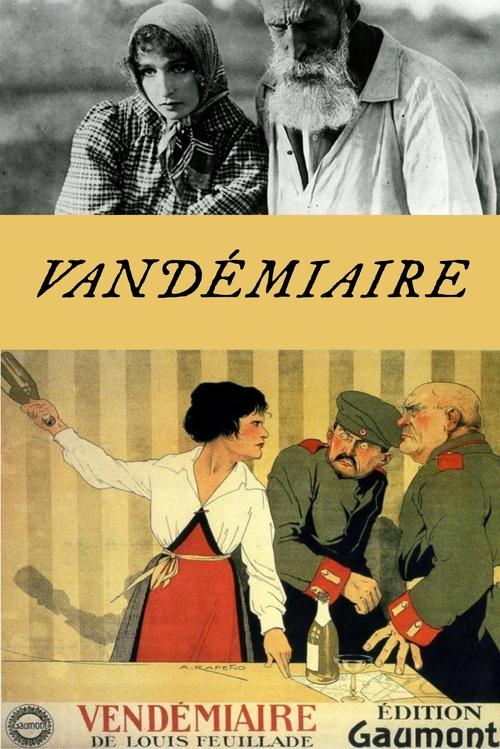
Set in September 1918 on the Castelviel estate in southern France during the final days of World War I, 'Vendémiaire' follows the community's grape harvest while news of the war's end has not yet reached them. The film is divided into four chapters that initially appear to focus on wine cultivation and consumption, but gradually reveal themselves as an allegory for French culture and the importance of defending French lands. Through the daily lives and labor of the vineyard workers, the film explores themes of tradition, community, and the deep connection between the French people and their soil. As the harvest progresses, the narrative builds toward a patriotic message urging viewers to protect and preserve the spirit and territories of France at all costs. The film serves as both a celebration of rural French life and a call to national unity and defense in the aftermath of war.
About the Production
Release Date 1919
Production Société des Établissements L. Gaumont
Filmed In Southern France (likely near actual vineyards)
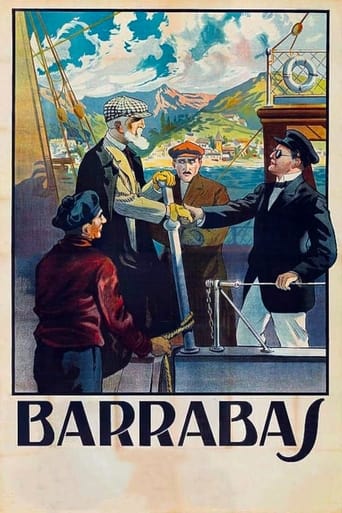
Unlike Louis Feuillade's more famous works in the 'Fantastic Realism' style, 'Vendémiaire' represents a significant departure toward grounded realism. The film was produced during the immediate post-World War I period when French cinema was grappling with how to represent the recent conflict and its aftermath. Feuillade chose to use the allegory of wine cultivation to explore themes of French cultural identity and national recovery. The production likely faced challenges related to post-war resource shortages and the need to film during actual harvest seasons to achieve authenticity.








Themes & Topics
wine harvestWorld War I aftermathFrench countrysideallegorypatriotic filmvineyardagricultural labornational identitycultural preservationpost-war France
Historical Background
1919 was a pivotal year in French and world history, marking the end of World War I and the beginning of a massive cultural and social reconstruction period. France had suffered devastating losses during the war, with entire generations of young men wiped out and vast portions of its northern territories destroyed. The French film industry, like all aspects of national life, was grappling with how to process this trauma and rebuild national identity. 'Vendémiaire' emerged during this period of reflection, using the timeless tradition of winemaking as a metaphor for French resilience and cultural continuity. The film's emphasis on defending French land and culture directly addressed the anxieties of a nation that had fought to defend its very existence. The choice to focus on rural, traditional France also reflected a broader post-war nostalgic turn toward pre-war values and the French countryside as symbols of authentic national identity, in contrast to the modern industrial warfare that had devastated the country.
Why This Film Matters
'Vendémiaire' represents a significant but often overlooked moment in Louis Feuillade's career and in French cinema history. As one of the few explicitly realistic and patriotic works by a director primarily known for fantasy and crime serials, it demonstrates Feuillade's versatility and his ability to engage with contemporary political concerns. The film contributes to the important post-WWI genre of French cinema that used allegory and metaphor to process national trauma, standing alongside works by Abel Gance and other directors of the period. Its focus on agricultural tradition and rural life helped establish the cinematic trope of the French countryside as the heart of national identity, a theme that would recur throughout French cinema history. The film also represents an early example of cinema being used explicitly for patriotic messaging in the post-war period, showing how the medium was adapting to new social and political roles. For film scholars, 'Vendémiaire' provides crucial insight into how even genre specialists like Feuillade responded to the cultural imperatives of post-war reconstruction.
Making Of
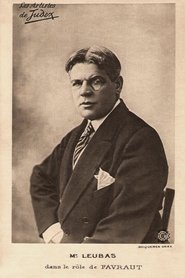
Louis Feuillade, already an established director known for his innovative serials, made a conscious artistic choice with 'Vendémiaire' to move away from the crime and fantasy genres that had defined his career. The film was produced by Gaumont, Feuillade's long-time home studio, during a period when French cinema was transitioning from the pre-war golden age to post-war reconstruction. The decision to film during actual harvest season and use real vineyard settings demonstrates Feuillade's commitment to authenticity. The casting of his regular collaborators like René Cresté, Édouard Mathé, and Louis Leubas suggests he wanted to work with trusted actors who could deliver the more naturalistic performances required by this realistic approach. The film's allegorical nature reflects the broader post-war French cinematic movement that sought to process the national trauma through metaphor and symbolism rather than direct representation.
What Critics Said
Due to its obscurity and the passage of over a century, contemporary critical reception of 'Vendémiaire' is difficult to document. However, film historians and scholars who have rediscovered the work generally regard it as a fascinating anomaly in Louis Feuillade's filmography, representing his engagement with post-war patriotic themes. Modern critics often note the film's significance as evidence of Feuillade's artistic range beyond his famous serials. The work is typically analyzed in the context of post-WWI French cinema and its role in processing national trauma through allegory. Some scholars view it as an important example of how popular directors of the period adapted their styles to address the cultural and political needs of the reconstruction era. The film's realistic approach is often contrasted with Feuillade's more fantastical works, though some critics note that even here, his visual storytelling and narrative techniques retain elements of his distinctive style.
Did You Know?
- The title 'Vendémiaire' refers to the first month of the French Republican Calendar (September 22-October 21), which was traditionally the grape harvest season
- This film represents a rare departure for Louis Feuillade from his signature 'Fantastic Realism' style that made him famous with serials like 'Fantômas' and 'Les Vampires'
- The film was created during the immediate aftermath of World War I, making it part of the first wave of French cinema to address the war's impact on national identity
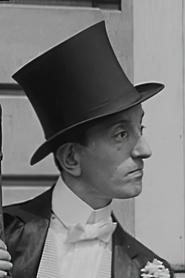
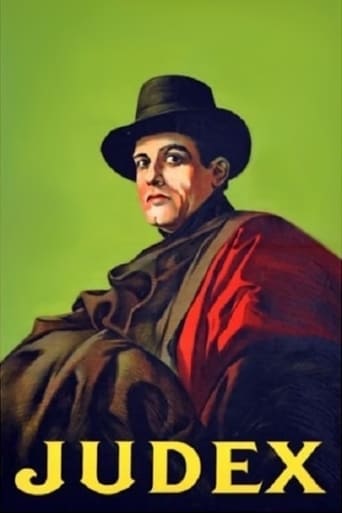
- René Cresté, who stars in the film, was also famous for playing the heroic character 'Judex' in Feuillade's earlier serial
- The four-chapter structure suggests it may have been released as a serial, though unlike Feuillade's more famous crime serials
- The use of wine cultivation as an allegory for French culture connects to the deep symbolic importance of wine in French national identity
- The film's timing in September 1918 places it at the very end of WWI, though the characters remain unaware of the approaching armistice
- This film is considered one of Feuillade's most politically explicit works, using the harvest metaphor to argue for national defense and cultural preservation
- The cast includes Édouard Mathé and Louis Leubas, regular collaborators with Feuillade who appeared in many of his serials
- Unlike many of Feuillade's works that have been extensively studied and restored, 'Vendémiaire' remains relatively obscure and little-seen
More film details Visual style, music, quotes, restoration, and more
Visual Style
The cinematography of 'Vendémiaire' represents a departure from the more stylized visual approach of Louis Feuillade's famous serials, embracing a more naturalistic and documentary-like style appropriate to its realistic themes. The film likely utilized location shooting in actual vineyards and rural settings, capturing the authentic atmosphere of the French countryside during harvest season. The visual composition probably emphasized the connection between the workers and the land, with wide shots of the vineyards establishing the setting as a character in itself. The cinematography would have served the allegorical purpose by creating visual parallels between the cycles of cultivation and the cycles of French cultural renewal. The technical approach would have been characteristic of late 1910s French cinema, using natural lighting where possible and maintaining a relatively static camera style typical of the period, but with greater attention to authentic detail than Feuillade's studio-bound fantasy productions.
Innovations
While 'Vendémiaire' may not feature the technical innovations that characterized some of Feuillade's more famous works, its technical significance lies in its successful execution of location filming and naturalistic storytelling during a period when studio production was still the norm. The film's use of actual harvest settings and potentially non-professional or local extras demonstrates an early form of cinematic realism that would become more influential in subsequent decades. The technical challenge of coordinating filming with the actual agricultural calendar shows considerable production planning and commitment to authenticity. The film's four-chapter structure, while building on Feuillade's experience with serials, adapts the format to more serious, allegorical content, showing technical versatility in narrative construction.
Music
As a silent film from 1919, 'Vendémiaire' would have been accompanied by live musical performance during its original theatrical run. The score would likely have been provided by a theater organist or small ensemble, possibly incorporating French folk melodies and pastoral themes appropriate to the agricultural setting. The music would have been designed to enhance the film's emotional arc, supporting both the realistic depiction of harvest work and the patriotic allegorical elements. In modern screenings, the film is typically accompanied by newly composed scores or period-appropriate music that reflects its post-WWI context and rural French setting. The absence of recorded sound allows the visual storytelling and intertitles to carry the full weight of the narrative and thematic content.
Famous Quotes
The soil of France is not merely earth beneath our feet, but the very soul of our nation
As the grape must be harvested to give wine, so must France be defended to give freedom
In every vine that grows, in every drop that falls, we taste the spirit of our ancestors
The war may end beyond these hills, but the defense of France continues in every field we tend
Memorable Scenes
- The opening harvest sequence establishing the connection between workers and land
- The moment when allegorical meaning becomes clear through visual symbolism
- Scenes of collective labor showing community unity
- The final chapter tying together themes of cultural preservation and national defense
- Any scenes contrasting the timeless agricultural cycle with the recent war
What Audiences Thought
Contemporary audience reception of 'Vendémiaire' in 1919 is not well documented, but the film's patriotic themes and focus on French rural traditions would likely have resonated strongly with post-war French audiences still processing the conflict's aftermath. The use of familiar actors like René Cresté, who was beloved for his heroic roles, may have helped the film find its audience. Modern audiences who have had the opportunity to see the film through film festivals or archival screenings often respond to its historical significance and its unique place in Feuillade's filmography. The film's allegorical approach to post-war themes, while perhaps less immediately accessible than Feuillade's more famous serials, offers contemporary viewers insight into how French cinema grappled with national identity in the aftermath of World War I.
Film Connections
Influenced By
- French realist literary tradition
- Post-WWI patriotic cinema
- Rural French cultural narratives
- French Republican Calendar symbolism
- Wine culture in French national identity
This Film Influenced
- Later French rural cinema
- Post-war reconstruction films
- French patriotic cinema of the 1920s
- Allegorical French cinema
Film Restoration
As a relatively obscure 1919 French film, 'Vendémiaire' likely exists in limited archival form, possibly incomplete or in deteriorated condition. The film's survival status would depend on whether Gaumont maintained prints in their archives or if copies were preserved by national film institutions. Given its historical importance as a work by Louis Feuillade, efforts have likely been made to preserve whatever elements remain. The film may exist in film archives such as the Cinémathèque Française or other European film preservation institutions. Modern viewers would likely access it through archival screenings or specialized film history platforms rather than commercial distribution.
Where to Watch
- Film archives and cinematheques
- Specialized classic film streaming platforms
- Academic film collections
- Film festival retrospectives
- Museum cinema programs