
Édouard Mathé
Actor
Born: January 6, 1885 in Nîmes, France Died: May 14, 1934 Active: 1915-1919
Films
8 films
About Édouard Mathé
French silent film actor who rose to prominence during the golden age of French cinema in the 1910s, primarily through his collaborations with the visionary director Louis Feuillade. His career, though relatively brief and concentrated between 1915-1919, on early cinema through his appearances in some of the most influential French serial films ever made. Mathé specialized in playing sophisticated, often morally ambiguous characters that fit perfectly into Feuillade's complex narrative worlds of crime, mystery, and adventure. His most notable work includes his roles in the serial 'Les Vampires' (1915), where he portrayed Philippe Guérande, a journalist investigating a criminal gang, and 'Judex' (1916), where he played the titular character's rival. Mathé's performances were characterized by a refined, understated style that contrasted with the more theatrical acting common in the era, bringing a naturalistic quality to his characters. His film career appears to have ended around 1919, coinciding with the end of World War I and the changing landscape of European cinema. Despite his short career span, Mathé's work in these films has ensured his place in cinema history as an important contributor to the development of the crime and mystery genres in film.
The Craft
On Screen
Mathé was known for his naturalistic and understated acting style, which was quite progressive for the silent era. Unlike many of his contemporaries who relied on exaggerated gestures and facial expressions, Mathé brought a subtle refinement to his performances, particularly effective in his portrayal of sophisticated urban characters. His screen presence was marked by a dignified restraint that made his characters feel authentic and relatable, even within the fantastical narratives of Feuillade's serials. He had a particular talent for conveying complex emotions through minimal movement, using his eyes and subtle facial expressions to communicate his characters' inner thoughts and moral dilemmas.
Milestones
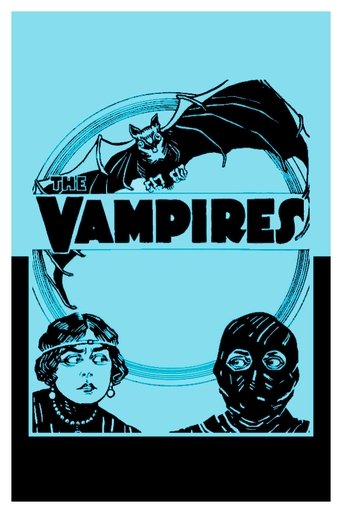
- Breakthrough role as Philippe Guérande in 'Les Vampires' (1915)
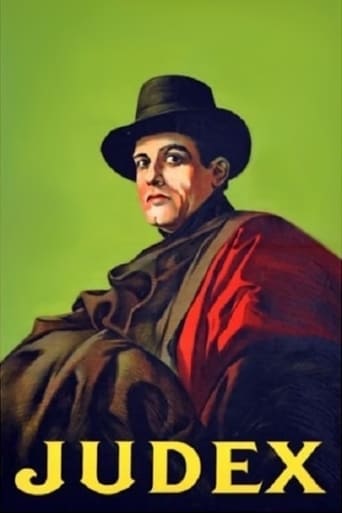
- Starring role in 'Judex' (1916) as Cocantin
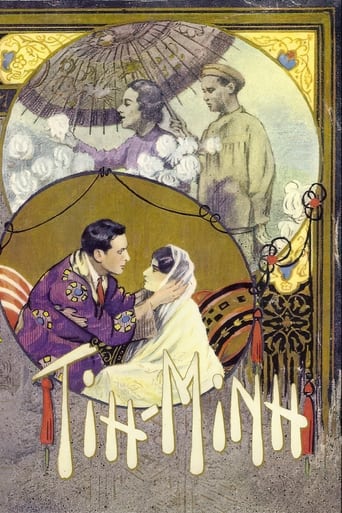
- Leading role in 'Tih Minh' (1918)
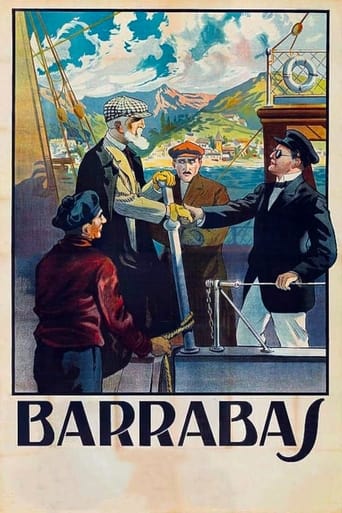
- Performance in 'Barrabas' (1919)
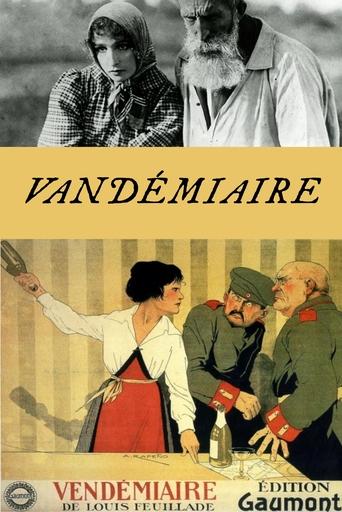
- Final film appearance in 'Vendémiaire' (1919)
Best Known For
Iconic Roles
Must-See Films
Accolades
Special Recognition
- Recognized as a key figure in French silent cinema
- Featured in film retrospectives of Louis Feuillade's work
Working Relationships
Worked Often With
Studios
Why They Matter
Impact on Culture
Édouard Mathé's work, particularly in Louis Feuillade's serial films, contributed significantly to the development of the crime and mystery genres in cinema. His portrayal of the journalist Philippe Guérande in 'Les Vampires' helped establish the archetype of the investigative reporter in film, a character type that would become central to countless subsequent films and television shows. The naturalistic acting style he brought to these early films represented an important step away from the theatrical traditions of 19th-century performance toward the more subtle cinematic acting that would become standard in later decades. His collaborations with Feuillade were part of a body of work that influenced filmmakers worldwide, including German expressionists and American film noir directors who would later draw inspiration from the atmospheric crime dramas of 1910s French cinema.
Lasting Legacy
Though his career was brief, Édouard Mathé's legacy endures through his appearances in some of the most celebrated films of the silent era. His work in 'Les Vampires' and 'Judex' continues to be studied by film scholars and appreciated by cinema enthusiasts as exemplars of early French cinematic artistry. These films have been preserved and restored by film archives, ensuring that Mathé's contributions remain accessible to modern audiences. His performances serve as important examples of the transition from stage acting to screen acting, demonstrating how early film actors adapted their craft to the new medium. Mathé's work is frequently featured in retrospectives of silent cinema and academic studies of early film history, cementing his status as a significant figure in the development of cinematic storytelling.
Who They Inspired
Édouard Mathé's naturalistic acting style influenced subsequent generations of French actors, particularly in how to convey emotion and character through subtle means rather than broad gestures. His work in serial films helped establish narrative techniques and character archetypes that would become standard in crime and mystery genres. Contemporary filmmakers studying Louis Feuillade's work often cite Mathé's performances as examples of effective screen acting in the silent era. His portrayal of journalists and investigators in these early films helped shape how such characters would be depicted in cinema for decades to come, influencing everything from American film noir to modern detective stories.
Off Screen
Édouard Mathé was born in the southern French city of Nîmes in 1885, but details about his personal life remain scarce in historical records. Like many actors of his era, he appears to have dedicated himself primarily to his craft during his brief but impactful career. His death in 1934 at the age of 49 came well after his film career had ended, suggesting he may have pursued other professional endeavors or retired from public life. The limited documentation of his personal life reflects the common fate of many supporting actors from the silent era whose contributions were significant but whose individual stories were not extensively preserved.
Did You Know?
- Édouard Mathé worked almost exclusively with director Louis Feuillade during his entire film career
- His role in 'Les Vampires' was as Philippe Guérande, a journalist investigating the mysterious criminal gang
- Despite his importance in Feuillade's films, Mathé never achieved the same level of fame as some of his co-stars like Musidora
- His acting career coincided exactly with World War I, making his film work particularly notable during this turbulent period
- Mathé's naturalistic acting style was considered quite modern for the time and contrasted with the more theatrical performances common in silent films
- He often played characters who were journalists, investigators, or other professional men, bringing a sense of realism to these roles
- His final films were made in 1919, suggesting his career may have ended due to the changing film industry after World War I
- The films he appeared in are now considered classics of French cinema and are regularly screened at film festivals and cinematheques
- Mathé's performances have been praised by modern critics for their subtlety and psychological depth
- Despite his relatively small body of work, he appeared in some of the most influential and studied films of the silent era
Frequently Asked Questions
Who was Édouard Mathé?
French silent film actor active between 1915-1919, best known for his collaborations with on YTB.my. He appeared in several influential French serial films including 'Les Vampires' and 'Judex,' establishing himself as an important figure in early French cinema despite his relatively brief career.
What films is Édouard Mathé best known for?
Titles linked here include Les Vampires (1915), Judex (1916).
When was Édouard Mathé born and when did he die?
Born January 6, 1885; died May 14, 1934.
What awards did Édouard Mathé win?
There are no records of Édouard Mathé receiving formal awards or nominations during his career. However, his work has been posthumously recognized through film retrospectives and his inclusion in studies of important French cinema, particularly for his contributions to Louis Feuillade's influential serial films.
What was Édouard Mathé's acting style?
Mathé was known for his naturalistic and understated acting style, which was progressive for the silent era. Unlike many contemporaries who used exaggerated gestures, he employed subtle facial expressions and minimal movement to convey emotion, bringing authenticity to his roles as sophisticated urban characters and investigators.