


Barrabas
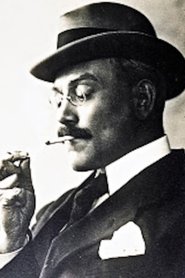
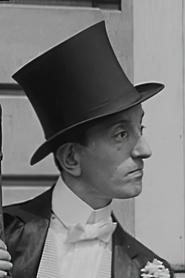
"Rudolph Strelitz."
Keys: Space play/pause · ←/→ 10s · F fullscreen · M mute · </> speed
About this film
Rudolph Strelitz, known as 'Barrabas', is the leader of a brutal underground gang causing chaos and destruction in the lives of civilized people. A lawyer, Claude Varèse, is strongly determined to bring Strelitz to justice for the purpose of revenge, after his father was unjustly guillotined for the murder of Laure d'Hérigny, the mistress of an American millionaire. Later, the sister of Claude Varèse, Françoise, is kidnapped by Dr Lucius, one of the henchmen of Barrabas.
Cast & crew
More films like this
More Crime films
View all →


More from Louis Feuillade
View all →

More about this film
About the production
Release date1919
Box officeUnknown - box office records from this period are scarce, but Feuillade's serials were generally popular
ProductionGaumont
Filmed inParis, France, Gaumont Studios, Paris
This was one of Louis Feuillade's final major serial works, created during the challenging post-WWI period in France. The production utilized Gaumont's established studio facilities and employed many of the same crew members who had worked on Feuillade's earlier successful serials. The filming took place during a time of significant social upheaval in France, which may have influenced the film's themes of social disorder and criminal underworlds. The serial format required careful planning to maintain continuity across 12 chapters while keeping audiences engaged week after week.
Themes
Themes & topics
rudolphstrelitzknownbarrabasleaderbrutalundergroundgang
Historical background
Made around 1919, Barrabas engaged audiences already fluent in rudolph strelitz, known as 'barrabas', is the leader of a brutal underground gang causing chaos and destruction in the lives of civilized people as a screen subject.
Why this film matters
Archivists revisit Barrabas (1919) for performance styles and craft choices later mainstream releases refined.
Making of
Production details for Barrabas are sparse in surviving records. Direction is attributed to Louis Feuillade.
What critics said
Audience data from 1919 is sparse; reception for Barrabas is inferred from reissue and archival interest.
Did you know?
- Directed by Louis Feuillade.
- Production country: France.
- Release year commonly listed as 1919.
- TMDB identifier: 202643.
Visual style
The cinematography of 'Barrabas' employed techniques typical of Gaumont productions in the late 1910s, utilizing the available technology to create atmospheric and suspenseful visuals. The film likely made use of location shooting in Paris to provide authentic urban settings for the criminal underworld story, contrasting with the controlled environment of studio sets for interior scenes. Camera work would have been relatively static by modern standards, but with careful composition and lighting to enhance the mood of each scene. The cinematographer would have employed techniques such as backlighting and shadow play to create the sense of mystery and danger essential to the crime genre. The serial format required visual consistency across episodes while maintaining interest through varied locations and situations. Night scenes, important for the criminal elements of the story, would have been filmed using available light techniques or early artificial lighting methods. The visual style would have emphasized clarity of narrative over artistic experimentation, as was common in popular serials of the period, while still incorporating sophisticated techniques learned from years of cinematic development.
Innovations
While 'Barrabas' may not represent major technical breakthroughs in cinema, it demonstrated sophisticated application of existing techniques for serial storytelling. The film's production across 12 episodes required careful continuity management and narrative planning, representing an achievement in long-form storytelling for the era. The kidnapping scenes and criminal conspiracies likely involved special effects techniques common to the period, including matte shots and early compositing methods. The film's urban location shooting in post-WWI Paris presented technical challenges in terms of equipment mobility and lighting control. The production maintained visual consistency across multiple episodes while introducing new locations and situations, requiring careful coordination of cinematography and set design. The film's pacing across its serial format represents an achievement in narrative structure, balancing cliffhanger endings with progressive story development. While not groundbreaking in technical terms, 'Barrabas' exemplified the mature state of French commercial filmmaking in the late 1910s and the sophisticated application of existing cinematic techniques to popular entertainment.
Music
As a silent film, 'Barrabas' would have been accompanied by live musical performance during its original theatrical run. The typical practice in French cinemas of 1919 would have involved a pianist or small ensemble providing improvised or compiled music to accompany the action on screen. The score would have followed the conventions of silent film accompaniment, with dramatic music for action sequences, romantic themes for emotional scenes, and suspenseful motifs for the criminal elements. Specific musical compositions written for , if any, have not survived in the historical record. The music would have played a crucial role in maintaining audience engagement across the 12 episodes and enhancing the emotional impact of key scenes such as the kidnapping sequences. Modern screenings of the surviving portions typically feature newly composed scores or carefully selected period-appropriate music. The absence of recorded sound means that modern viewers experience the film differently from original audiences, who benefited from live musical accompaniment tailored to each screening.
Famous quotes
I am Barrabas, the shadow that walks in light, the hand that strikes from darkness.
Justice delayed is justice denied, but justice rushed is justice perverted.
In this world of chaos, only the determined survive, and only the righteous prevail.
Memorable scenes
- The dramatic kidnapping of Françoise Varèse by Dr. Lucius, showcasing the criminal network's ruthlessness and Claude Varèse's desperation
- The revelation of Barrabas's true identity and his connection to the wrongful execution of Claude's father
- The climactic confrontation between Claude Varèse and Barrabas, bringing the revenge plot to its resolution
What audiences thought
Patrons who saw Barrabas during initial runs judged it alongside other silent film releases of the day.
Film connections
Influenced by
- Fantômas (1913-1914) - Feuillade's earlier crime serial
- Les Vampires (1915-1916) - Another Feuillade serial featuring criminal organizations
- Judex (1916) - Feuillade's work exploring themes of justice and revenge
- Contemporary French crime literature
- Post-WWI social anxieties and cultural concerns
This film influenced
- Later French crime serials of the 1920s
- German crime films of the 1920s
- American gangster films of the 1930s
- Modern crime television series with serialized narratives
Film restoration
Partially lost film - only some episodes or fragments of the original 12-episode serial are known to survive in various film archives. The incomplete survival status makes full appreciation of Feuillade's intended narrative structure difficult. Surviving portions are held in film archives such as the Cinémathèque Française and other European film preservation institutions. Some fragments may exist in private collections or smaller archives. The film's preservation challenges are typical of silent era productions, particularly those from the difficult post-WWI period when film stock was often recycled or poorly stored. Efforts continue to locate and preserve any remaining footage of this significant work in Feuillade's filmography.
Where to watch
- Film archives and cinematheques that hold surviving fragments
- Specialized silent film festivals and retrospectives
- Academic institutions with film studies programs
- Potential future DVD/Blu-ray releases from specialty labels (if more footage is discovered)