No Poster
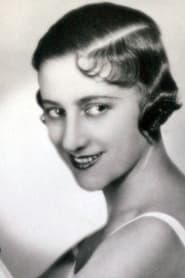
Blanche Montel
Actor
Born: August 15, 1892 in Paris, France Died: March 6, 1977 Active: 1914-1924 Birth Name: Blanche Augustine Montel
Films
4 films
About Blanche Montel
French actress who flourished during the golden age of silent cinema in France. Born in Paris in 1892, she began her film career in the early 1910s and quickly established herself as a talented performer in the burgeoning French film industry. Throughout her decade-long career from 1914 to 1924, Montel appeared in numerous significant productions that showcased her versatility and dramatic range. She worked with some of the most prominent French directors of the era, including Henri Pouctal and Léonce Perret, contributing to the artistic development of French cinema during its formative years. Montel's performances were characterized by their emotional depth and technical precision, embodying the sophisticated acting style that defined French silent film. Her career coincided with a crucial period of artistic innovation in French cinema, and she participated in productions that pushed the boundaries of cinematic storytelling. After appearing in her final film in 1924, Montel retired from acting as the film industry began its transition to sound, leaving behind a legacy of memorable performances in classic French silent films.
The Craft
On Screen
Montel embodied the sophisticated acting style characteristic of French silent cinema, emphasizing subtle facial expressions and controlled gestures to convey complex emotions. Her technique combined the theatrical traditions of French stage acting with the emerging demands of cinematic performance, allowing her to create nuanced and psychologically complex characters. She was particularly adept at portraying dramatic roles that required emotional depth and moral complexity, using her expressive eyes and refined body language to communicate inner states without dialogue.
Milestones
- Film debut in 'Loyalty' (1914)
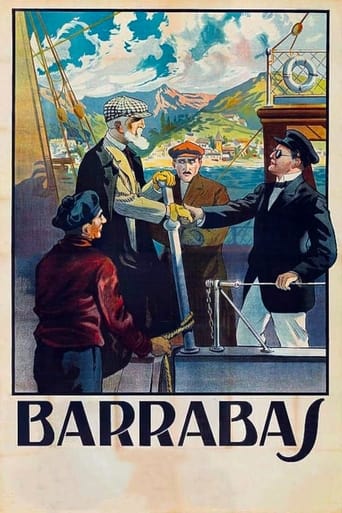
- Starring role in 'Barrabas' (1919) directed by Louis Feuillade
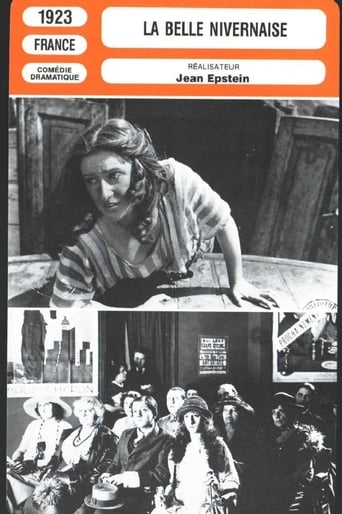
- Lead performance in 'La Belle Nivernaise' (1924)
- Collaboration with prominent French director Henri Pouctal
- Work during the peak of French silent cinema artistry
Best Known For
Iconic Roles
Must-See Films
Accolades
Special Recognition
- Recognition as a significant contributor to French silent cinema
- Documented in French film history archives as a notable actress of the 1910s-1920s
Working Relationships
Worked Often With
Studios
Why They Matter
Impact on Culture
Blanche Montel contributed to the development of French cinema during its crucial formative years, participating in films that helped establish the artistic standards of French silent film. Her work in productions like 'Barrabas' and 'La Belle Nivernaise' represented the sophisticated narrative and aesthetic values that French cinema from its international counterparts. Montel's performances exemplified the emotional depth and technical refinement that characterized the best of French silent film acting, influencing the artistic standards of the era. Though her career was relatively brief, it coincided with a period of tremendous artistic growth in French cinema, and her contributions helped shape the national film identity.
Lasting Legacy
Blanche Montel's legacy endures through her surviving film works, which continue to be studied by film historians and enthusiasts of French silent cinema. Her performances serve as important examples of the acting techniques and artistic values that defined French cinema during the 1910s and early 1920s. While she may not be as widely remembered as some of her contemporaries who continued working into the sound era, Montel represents the generation of talented actors who established the foundations of French film artistry. Her films are preserved in French film archives and occasionally screened at retrospectives dedicated to silent cinema, ensuring that her contributions to film history are not forgotten.
Who They Inspired
Montel's acting style, characterized by its subtlety and emotional authenticity, reflected the sophisticated approach to performance that would influence subsequent generations of French actors. Her work in narrative-driven films helped demonstrate the potential of cinema as a serious artistic medium, contributing to the elevation of film as a respected art form in France. While direct documentation of her influence on other actors is limited, her participation in professionally produced films during this period contributed to the overall development of cinematic acting techniques that would be refined and expanded by later performers.
Off Screen
Blanche Montel led a relatively private life outside of her film career, which was not uncommon for actresses of her era. She was born and raised in Paris, where she likely received her early training in the dramatic arts before transitioning to film. Following her retirement from cinema in 1924, she largely disappeared from public view, focusing on her personal life away from the entertainment industry. Montel lived through the dramatic changes in French society and cinema throughout the 20th century, witnessing the evolution from silent films to the modern era. She passed away in Paris in 1977 at the age of 84, having lived a full life that spanned nearly the entire history of cinema.
Education
Likely received theatrical training in Paris during the early 1910s, though specific educational details are not well documented
Did You Know?
- Born in the same year that cinema was first demonstrated by the Lumière brothers
- Her entire film active years covered exactly one decade, from 1914 to 1924
- Worked during World War I, a period that significantly affected French film production
- Appeared in films during the peak of French artistic cinema before Hollywood's dominance
- Her retirement coincided with the transition to sound films in France
- Lived to see the centennial of cinema in 1995, though she passed away in 1977
- Participated in the French film industry's most artistically ambitious period
- Her film 'La Belle Nivernaise' was based on a popular French novel
- Worked with director Louis Feuillade, who was a pioneer of French serial films
- Her career represents the typical trajectory of many silent era actors who did not transition to sound
In Their Own Words
No documented famous quotes, as was common for actors of the silent era who were primarily known for their visual performances rather than their words
Frequently Asked Questions
Who was Blanche Montel?
French actress who worked during the silent film era from 1914 to 1924, appearing in notable French productions including 'Loyalty' (1914), 'Barrabas' (1919), and 'La Belle Nivernaise' (1924). She was known for her dramatic performances and contributed to the artistic development of French cinema during its formative years.
What films is Blanche Montel best known for?
When was Blanche Montel born and when did she die?
Born August 15, 1892; died March 6, 1977.
What awards did Blanche Montel win?
There are no documented major awards or nominations for Blanche Montel, which was common for actors during the silent film era before the establishment of formal award systems. Her recognition comes from her contribution to French film history and her performances in notable productions.
What was Blanche Montel's acting style?
Blanche Montel's acting style embodied the sophisticated techniques of French silent cinema, emphasizing subtle facial expressions, controlled gestures, and emotional depth. She combined theatrical traditions with cinematic performance, creating nuanced characters through expressive physicality rather than dialogue.