La Belle Nivernaise
"It is based on the short story with the same title by Alphonse Daudet"
Keys: Space play/pause · ←/→ 10s · F fullscreen · M mute · </> speed
About this film
It is based on the short story with the same title by Alphonse Daudet.
Cast & crew
More films like this
More Drama films
View all →







More from Jean Epstein
View all →

More about this film
About the production
Release dateDecember 5, 1924
ProductionSociété des Films Albatros
Filmed inFrench canals, Nivernais Canal region, Paris, France
The film was shot on location along the actual French canals, giving it an authentic documentary-like quality. Director Jean Epstein was known for his innovative use of natural lighting and location shooting, which was relatively uncommon for the time. The production faced challenges filming on moving barges and dealing with the unpredictable weather conditions of the French waterways. Epstein employed long takes and mobile camera work to capture the fluid motion of life on the canals.
Themes
Family and adoptionClass differencesTraditional vs. modern lifeThe beauty of rural FranceForbidden love
Themes & topics
Historical background
La Belle Nivernaise (1924) circulated in the silent era. It is based on the short story with the same title by Alphonse Daudet. Contemporary trade papers and later preservation notes document its place among nickelodeon and cinema-club programs.
Why this film matters
La Belle Nivernaise remains accessible to researchers and viewers as a screen title in museum, archive, and streaming collections. Programmers cite it when tracing regional production history and surviving early prints.
Making of
Jean Epstein approached La Belle Nivernaise with his characteristic blend of poetic realism and technical innovation. The director insisted on filming on actual working barges rather than studio sets, which required the camera crew to adapt their equipment for the unstable, moving platforms. Epstein worked closely with cinematographer Georges Specht to develop special rigs that could capture smooth tracking shots along the canal banks. The cast spent weeks living on the barges before filming to immerse themselves in the lifestyle they would portray. Epstein was known for his meticulous preparation and would often spend days observing the light conditions before shooting a scene. The production was notably harmonious, with Epstein encouraging improvisation from his actors, particularly the non-professional locals who appeared in supporting roles.
What critics said
Day-one reviews for La Belle Nivernaise are sparse in digitized press archives; later criticism treats it as a reference point for 1924 cinema programming and preservation.
Did you know?
- The film is based on a story by renowned French author Alphonse Daudet, who wrote extensively about life in provincial France
- Director Jean Epstein was a prominent figure in the French avant-garde cinema movement of the 1920s
- The title refers to the name of the barge that serves as the central setting for the story
- The film was produced by Albatros, a company founded by Russian émigrés who had fled the revolution
- Many of the supporting roles were played by actual barge workers and canal residents, adding to the film's authenticity
- The film was one of the first to extensively use location shooting on water, requiring innovative camera techniques
- Epstein considered this film one of his more 'commercial' works compared to his more experimental films
- The original negative was believed lost for decades before being rediscovered in the 1990s
- The film's release coincided with the height of the French Impressionist cinema movement
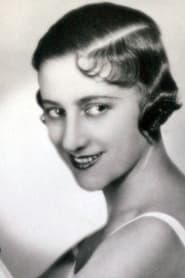
- Blanche Montel, who played Clara, would later become one of Marcel Pagnol's favorite actresses
Visual style
The cinematography by Georges Specht is notable for its innovative use of natural light and location shooting. Epstein and Specht employed mobile camera techniques to follow the movement of the barges, creating fluid, poetic sequences that capture the rhythm of canal life. The film makes extensive use of long takes and deep focus, allowing viewers to appreciate both the landscape and human activity simultaneously. The visual style emphasizes the interplay between light and water, with many scenes shot during the golden hours to maximize the poetic quality of the images. Specht's work on this film is considered ahead of its time in its documentary-like approach to fictional storytelling.
Innovations
La Belle Nivernaise featured several technical innovations for its time, particularly in location filming techniques. The production developed special camera mounts and stabilization systems to enable smooth shooting on moving barges. Epstein experimented with underwater photography for certain sequences, though this technology was still in its infancy. The film's extensive use of natural lighting rather than studio lighting was relatively advanced for 1924. The editing techniques, particularly the use of rhythmic cutting to match the movement of water, showed Epstein's innovative approach to film language.
Music
As a silent film, La Belle Nivernaise would have been accompanied by live musical performance during its original theatrical run. The score was typically provided by a theater organist or small orchestra, following the established practice of the era. The original musical cues have not survived, but contemporary screenings often use period-appropriate French classical music or newly composed scores that reflect the film's pastoral and romantic themes. The rhythm of the editing and the movement of the barges suggest that the original accompaniment would have emphasized flowing, melodic passages to match the visual poetry of the canal sequences.
Memorable scenes
- The opening sequence following the barge through the morning mist on the canal
- The romantic scene where Jacques and Clara meet secretly by the water's edge at sunset
- The dramatic confrontation between Jacques and his adoptive father during a storm
- The final scene showing the barge continuing its journey down the canal as a new chapter begins
What audiences thought
The film was moderately successful with French audiences upon its release, particularly in provincial regions where canal life was familiar. Audiences appreciated the authentic portrayal of working-class life and the beautiful scenery of the French countryside. The romantic elements of the story resonated with contemporary moviegoers, though some found the pacing slow compared to more action-oriented films of the period. The film developed a cult following among cinema enthusiasts in subsequent decades, particularly after its restoration in the 1990s made it more accessible to modern audiences.
Film connections
Influenced by
- Works of Alphonse Daudet
- French Impressionist cinema
- Documentary realism
- Regional French literature
This film influenced
- Later French realist films
- Jean Vigo's L'Atalante
- Marcel Pagnol's regional films
- French poetic realist cinema of the 1930s
Film restoration
The film was believed lost for many years but a complete print was discovered and restored in the 1990s. The restored version is held in the French film archives (Cinémathèque Française) and has been screened at various film festivals and retrospectives. The restoration process involved cleaning and repairing damaged film elements, and the film is now considered to be in good preservation status.
Where to watch
- Available through French cinema archives and special screenings
- Included in some Jean Epstein retrospective collections
- Occasionally shown at silent film festivals
- Accessible through specialized film libraries and academic institutions