Jean Epstein
Director
Born: March 25, 1897 in Warsaw, Poland (then Russian Empire) Died: April 2, 1953 Active: 1921-1947 Birth Name: Jean Alfred Epstein
Films
8 films
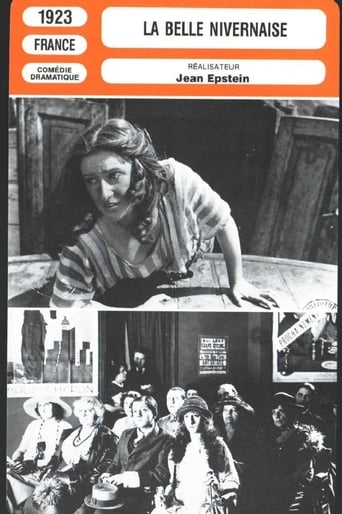
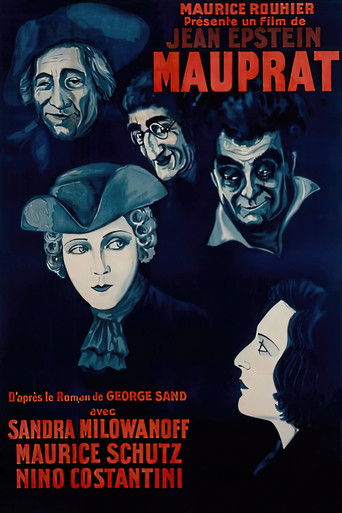

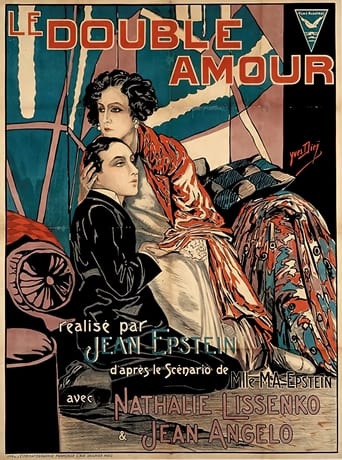
About Jean Epstein
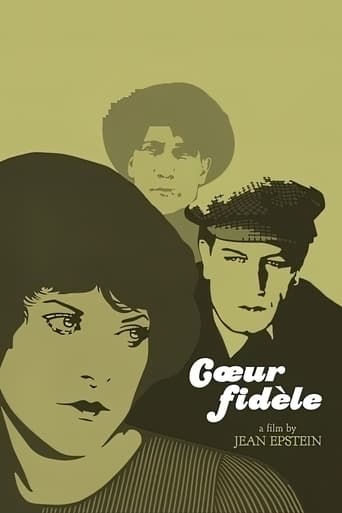
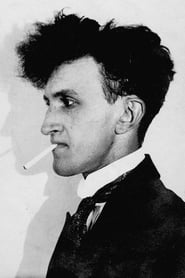
French film director, theorist, and critic who emerged as figures of the French avant-garde cinema movement in the 1920s. Born in Warsaw to French parents, he initially studied medicine before discovering his passion for cinema, writing his first film treatise 'Bonjour Cinéma' in 1921. Epstein's directorial debut came with 'Pasteur' (1922), but it was his 1923 masterpiece 'Cœur fidèle' that established his reputation excelled in poetic realism and cinematic expressionism. Throughout the 1920s, he created numerous influential films that pushed the boundaries of cinematic language, including 'La Glace à trois faces' (1927) and his acclaimed adaptation of Edgar Allan Poe's 'La Chute de la maison Usher' (1928). As a theoretician, Epstein developed the concept of 'photogénie,' arguing that cinema's unique power lay in its ability to reveal the hidden poetry and spiritual essence of reality through the camera lens. Though his career declined with the advent of sound cinema, he continued making films in Brittany until his death, leaving behind a profound legacy that influenced generations of filmmakers and film theorists. His writings on cinema, particularly his emphasis on the emotional and spiritual dimensions of the medium, remain essential reading in film studies.
The Craft
Behind the Camera
Epstein's directing style was characterized by its poetic sensibility, innovative visual techniques, and emphasis on emotional expression through cinematic means. He employed rapid editing, superimpositions, and subjective camera movements to convey psychological states and transcend ordinary reality. His approach to cinematography was deeply influenced by his concept of 'photogénie' - the idea that cinema could reveal the hidden beauty and spiritual essence of people and objects. Epstein frequently used natural locations, particularly the rugged landscapes of Brittany in his later works, and had a remarkable ability to extract poetry from everyday scenes. His films often featured rhythmic editing patterns, symbolic imagery, and a dreamlike atmosphere that pushed the boundaries of narrative cinema.
Milestones
- Directed the avant-garde masterpiece 'Cœur fidèle' (1923)
- Developed the theory of 'photogénie' in cinema
- Created the influential adaptation 'La Chute de la maison Usher' (1928)
- Founded the film journal 'Cinéa' in 1921
- Pioneered poetic realism in French cinema
- Made over 30 films during his career
- Wrote influential film theory books including 'Le Cinématographe vu de l'Etna' (1926)
- Established himself as a key figure in the French Impressionist cinema movement
Best Known For
Must-See Films
Accolades
Special Recognition
- Recognized as one of the pioneers of French avant-garde cinema
- His films are preserved and studied at the Cinémathèque Française
- Posthumously celebrated in major film retrospectives worldwide
- His theoretical works are taught in film studies programs globally
Working Relationships
Worked Often With
Studios
Why They Matter
Impact on Culture
Jean Epstein profoundly impacted the development of cinema as both an art form and a theoretical discipline. His concept of 'photogénie' revolutionized how filmmakers and theorists understood the unique properties of cinematic expression, emphasizing the medium's ability to reveal hidden truths and poetic dimensions of reality. Epstein's films, particularly 'Cœur fidèle' and 'La Chute de la maison Usher,' demonstrated how cinematic techniques could transcend mere storytelling to create pure visual poetry and emotional resonance. His theoretical writings helped establish film studies as an academic discipline and influenced generations of filmmakers, from the French Impressionists to the New Wave directors of the 1950s and 1960s. Epstein's emphasis on the spiritual and transcendental aspects of cinema offered an alternative to purely commercial or narrative approaches to filmmaking, paving the way for experimental and art cinema movements worldwide.
Lasting Legacy
Jean Epstein's legacy endures through his dual contributions as both a filmmaker and influential film theorist. His films continue to be celebrated in major retrospectives and are studied as masterpieces of silent cinema, particularly for their innovative visual language and poetic sensibility. The concept of 'photogénie' remains a fundamental theoretical framework in film studies, influencing how scholars and filmmakers understand the unique properties of cinema. Epstein's work bridged the gap between theory and practice, demonstrating how philosophical ideas about cinema could be realized through actual filmmaking. His later films made in Brittany have been rediscovered and celebrated for their regional specificity and universal themes, while his writings continue to be translated and studied worldwide. The Jean Epstein Association in France works to preserve and promote his cinematic heritage, ensuring that future generations can appreciate his contributions to the art of film.
Who They Inspired
Epstein's influence extended far beyond his own era, shaping the development of both avant-garde and narrative cinema. The French New Wave directors, particularly Jean-Luc Godard and François Truffaut, acknowledged his impact on their understanding of cinematic language and theory. His emphasis on personal expression and formal innovation inspired experimental filmmakers like Maya Deren and Stan Brakhage. The poetic realism movement of the 1930s, represented by directors such as Marcel Carné and Jean Renoir, owed a debt to Epstein's earlier work. Contemporary directors including Terrence Malick and Terrence Davies have cited Epstein's approach to visual poetry and landscape as influential. His theoretical writings influenced film scholars like André Bazin and Siegfried Kracauer, helping establish the foundation for modern film criticism and theory.
Off Screen
Jean Epstein was born to French parents in Warsaw but moved to France at a young age. He initially pursued medical studies at the University of Lyon before abandoning medicine for cinema. Epstein had a significant relationship with actress Marie Bell, who starred in several of his films including 'Cœur fidèle'. He spent his later years in Brittany, where he found inspiration in the region's landscapes and culture. Despite his artistic success, Epstein struggled financially throughout his career, particularly during the transition to sound cinema when his avant-garde style fell out of favor. He died of a cerebral hemorrhage in Paris at the age of 56.
Education
Studied medicine at the University of Lyon (abandoned before completion)
Family
- Marie Bell (relationship, 1920s)
Did You Know?
- Originally studied medicine before abandoning it for cinema
- Coined the term 'photogénie' to describe cinema's unique poetic power
- His sister Marie Epstein was also a filmmaker and screenwriter
- Made his first film 'Pasteur' at age 25
- Was fluent in Polish, French, and English
- His film 'La Chute de la maison Usher' featured contributions from Luis Buñuel
- Spent his final years documenting the culture and landscapes of Brittany
- His theoretical work 'Bonjour Cinéma' (1921) was one of the first serious film theory books
- Many of his films were considered lost until rediscovered in the 1970s and 1980s
- Was part of the first generation of filmmakers who had grown up with cinema
In Their Own Words
Cinema is the art of making time visible.
The camera is a machine that reveals the soul of things.
Photogénie is the highest form of cinematic expression - the revelation of the hidden poetry in reality.
Film should not reproduce reality, but reveal its hidden dimensions.
The true magic of cinema lies in its ability to make the ordinary extraordinary.
Every frame is a poem, every cut a verse in the epic of light and shadow.
Frequently Asked Questions
Who was Jean Epstein?
French on YTB.my. He is best known for developing the concept of 'photogénie' and directing influential silent films like 'Cœur fidèle' and 'La Chute de la maison Usher'.
What films is Jean Epstein best known for?
Titles linked here include Cœur fidèle (1923), La Chute de la maison Usher (1928).
When was Jean Epstein born and when did he die?
Born March 25, 1897; died April 2, 1953.
What awards did Jean Epstein win?
During his lifetime, Epstein did not receive major formal awards, but his work has been posthumously recognized as groundbreaking. His films are preserved in major archives and he is celebrated as a pioneer of avant-garde cinema and film theory.
What was Jean Epstein's directing style?
Epstein's directing style was characterized by poetic visual expression, innovative editing techniques, and an emphasis on revealing the hidden beauty and spiritual essence of reality. He employed rapid editing, superimpositions, and subjective camera movements to convey psychological states and transcend ordinary narrative conventions.
What is 'photogénie' in Epstein's theory?
'Photogénie' was Epstein's theoretical concept describing cinema's unique ability to reveal the hidden poetry and spiritual essence of people and objects through the camera lens. He believed this quality was specific to cinema and represented its highest artistic potential.
How did Jean Epstein influence later filmmakers?
Epstein influenced generations of filmmakers, particularly the French New Wave directors like Jean-Luc Godard and François Truffaut. His theoretical writings and innovative visual techniques inspired experimental filmmakers and helped establish film studies as an academic discipline.