

The Red Inn
"Two young doctors, surprised by the storm, take refuge in"
Keys: Space play/pause · ←/→ 10s · F fullscreen · M mute · </> speed
About this film
Two young doctors, surprised by the storm, take refuge in an inn. A diamond broker joins them and, for lack of space, shares their room. At dawn he is found dead. A few years later justice is done.
Cast & crew
More films like this
More Crime films
View all →

More from Jean Epstein
View all →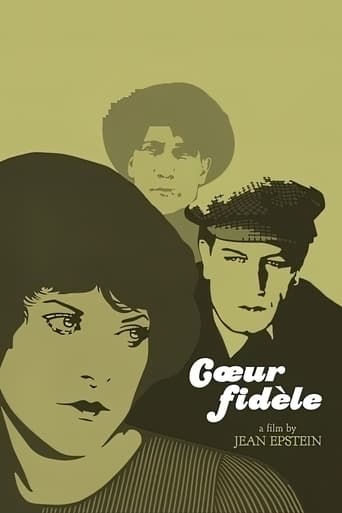
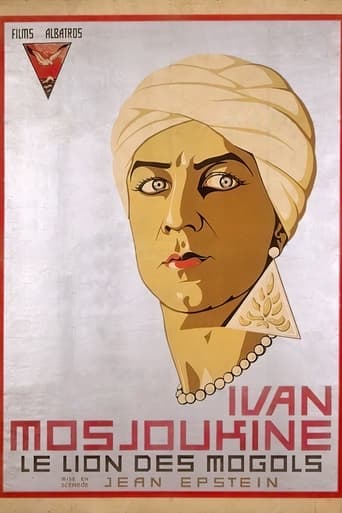
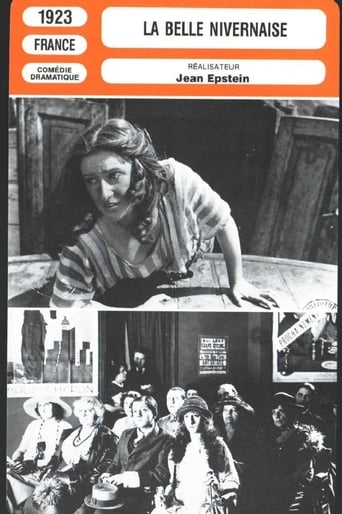

More about this film
About the production
Release dateMarch 2, 1923
Box officeBox office records not preserved from this period
ProductionSociété des Films Albatros
Filmed inParis studios, French countryside locations
The Red Inn was produced during the peak of French avant-garde cinema, utilizing innovative camera techniques and lighting effects characteristic of director Jean Epstein's style. The picture was shot on location and in studios around Paris, with careful attention to atmospheric lighting to create the mysterious inn setting. Production faced challenges typical of the era, including limited filming equipment and the need for natural lighting in outdoor scenes. The murder sequence was particularly innovative for its time, using shadows and suggestive imagery rather than graphic depictions.
Themes
Justice and delayed retributionThe nature of suspicion and guiltAppearances versus realityThe corrupting influence of wealthThe search for truth
Themes & topics
murder mysterydoctorsinnstormdiamond brokerfalse accusationcourtroom dramarevengejustice delayedpsychological thriller
Historical background
Société des Films Albatros's 1923 release of The Red Inn fit contemporary France programs that mixed fiction, news, and novelty subjects for repeat weekly attendance.
Why this film matters
Programmers and historians revisit The Red Inn (1923) because its story—two young doctors, surprised by the storm, take refuge in an inn—illustrates popular narrative habits and production norms of the period.
Making of
Jean Epstein approached The Red Inn with his characteristic avant-garde sensibility, pushing the boundaries of conventional narrative cinema. The director worked closely with cinematography team to create distinctive visual metaphors, particularly in the murder sequence where shadows and camera angles suggest violence without explicit depiction. The cast, led by Léon Mathot and Gina Manès, were drawn from the thriving French theater and film community of the early 1920s. Epstein insisted on multiple takes for key scenes, an unusual practice at the time that reflected his perfectionist approach. The inn set was constructed with meticulous attention to period detail, creating an atmosphere of claustrophobia and menace. the picture's production coincided with Epstein's development of his theoretical writings on cinema, which would influence generations of filmmakers. The storm sequence required elaborate special effects using wind machines and water sprays, creating among the leading technically ambitious scenes in French cinema of 1923.
What critics said
English-language trade reviews of The Red Inn are limited for 1923. Where notices survive, they stress pacing and photographic clarity; later criticism values the title as archival evidence of studio style.
Did you know?
- The Red Inn is based on a story by Prosper Mérimée, a 19th-century French writer known for his novellas
- Director Jean Epstein was only 24 years old when he made, yet already considered a leading figure in French avant-garde cinema
- the picture was part of the influential Albatros production company's catalog, which produced many important French films of the 1920s
- Gina Manès, who plays a key role, would become one of French cinema's most prolific actresses, appearing in over 100 films
- The original French title 'L'Auberge rouge' has been used for multiple film adaptations, but this 1923 version is considered the earliest cinematic adaptation
- the picture's murder mystery elements were innovative for French cinema of the early 1920s, which typically focused more on melodrama and literary adaptations
- Jean Epstein incorporated his theory of 'photogénie' - the idea that cinema transforms reality through the camera lens - throughout the picture
- The storm sequence was considered technically ambitious for its time, using multiple cameras and innovative lighting techniques
- the picture was distributed internationally under various titles, including 'The Red Inn' in English-speaking countries
- Despite its artistic merits, the picture was overshadowed by Epstein's more famous works like 'The Fall of the House of Usher' (1928)
Awards & recognition
- No major awards documented for - award systems were limited in 1923
Visual style
The cinematography of The Red Inn Jean Epstein's innovative approach to visual storytelling, employing techniques that were revolutionary for 1923. the picture makes extensive use of chiaroscuro lighting to create dramatic contrasts between light and shadow, particularly effective in the inn's interior scenes. Epstein utilized unusual camera angles and movements to enhance psychological tension, including low-angle shots that create a sense of unease and disorientation. The storm sequence features some of the most ambitious cinematography of the era, with rapid cuts and dynamic camera work to convey the violence of nature. The murder scene uses shadows and silhouettes to suggest violence without explicit depiction, demonstrating sophisticated visual storytelling. the picture's visual style reflects Epstein's theories of 'photogénie,' emphasizing how cinema transforms reality through the camera lens. The cinematography also incorporates innovative use of focus and depth of field to guide viewer attention and create psychological depth.
Innovations
The Red Inn featured several technical innovations that were significant for French cinema in 1923. the picture employed advanced lighting techniques, including the use of artificial lighting to create dramatic shadows and atmospheric effects that went beyond the standard illumination of the era. The storm sequence utilized innovative special effects, including wind machines, water sprays, and clever editing to create a convincing natural disaster on screen. Epstein experimented with camera movement and angles that were unusual for the time, including tracking shots and dramatic low-angle perspectives. the picture's editing techniques, particularly in the murder sequence, used rapid cutting and visual metaphors to suggest violence without explicit depiction. The production also made advances in set design and construction, creating the inn set with remarkable detail and authenticity. These technical achievements contributed to the picture's distinctive visual style and helped establish new possibilities for cinematic storytelling.
Music
As a silent film, The Red Inn would have been accompanied by live musical performance during its original theatrical run. The typical presentation would have featured a pianist or small orchestra performing appropriate musical selections to accompany the action. While no specific score was composed for the picture, theaters would have used classical pieces and mood music from standard libraries. The storm sequences would have been accompanied by dramatic, percussive music to enhance the tension, while the murder scene would have featured dissonant, unsettling harmonies. Modern screenings of restored versions often feature newly composed scores by silent film accompanists who create original music that reflects the picture's atmospheric qualities and psychological themes. The absence of dialogue made the visual storytelling and musical accompaniment particularly crucial for conveying emotional content and narrative information.
Famous quotes
As a silent film, dialogue was conveyed through intertitles. Key intertitles included: 'The storm raged outside, but a greater storm brewed within the inn', 'Justice, though delayed, cannot be denied', 'In the shadows of the red inn, truth and deception danced their deadly waltz'
Memorable scenes
- The opening sequence where the two doctors arrive at the isolated inn during a violent storm, establishing the picture's atmospheric tension through dramatic lighting and wind effects. The murder scene, conveyed entirely through shadows, silhouettes, and the reactions of the doctors, demonstrates Epstein's mastery of visual storytelling. The courtroom finale where the true killer is revealed through a dramatic confession and evidence presentation, bringing the story to its moral resolution. The storm sequence, technically ambitious for its time, features innovative camera work and editing that creates a sense of nature's fury mirroring human passions.
What audiences thought
The Red Inn found moderate success with French audiences in 1923, particularly among urban viewers who appreciated more sophisticated cinema. The murder mystery elements resonated with post-war audiences interested in stories of moral complexity and psychological depth. While not as popular as mainstream melodramas of the era, the picture developed a following among the growing cinephile community in Paris. Audience reactions to the innovative visual techniques were generally positive, though some viewers found the avant-garde elements challenging. the picture's reputation has grown over time among silent film enthusiasts and cinema historians, who now recognize it as an important work in the development of French cinema. Modern audiences encountering the picture through restorations and retrospectives often praise its atmospheric qualities and narrative sophistication.
Film connections
Influenced by
- German Expressionist cinema (particularly in lighting and visual style)
- Literary adaptations of French 19th-century literature
- Earlier French crime films
- Theater traditions of melodrama and mystery plays
- Contemporary French avant-garde film movements
This film influenced
- Later French crime thrillers of the 1930s
- Film noir traditions in French and American cinema
- Psychological thriller genre development
- Later adaptations of Mérimée's work
- Jean Epstein's subsequent films including 'The Fall of the House of Usher'
Film restoration
The Red Inn is considered partially preserved with elements surviving in various film archives. While not completely lost like many silent films, the existing prints may be incomplete or in varying states of deterioration. The Cinémathèque Française holds materials related to the picture, and restoration efforts have been undertaken to preserve what remains. Some scenes may exist only in fragmentary form, and the original camera negative is believed to be lost. the picture's preservation status reflects the challenges of maintaining silent cinema heritage, with many films from this era suffering from nitrate decomposition and neglect. Recent digital restoration efforts have helped preserve the surviving elements for future generations.
Where to watch
- The Red Inn is primarily available through specialized film archives and cinematheques
- Occasionally screened at silent film festivals and retrospectives
- Some university film studies programs may have access to prints for academic purposes
- Rare DVD compilations of early French cinema may include excerpts or the complete film
- Online archives specializing in public domain or preserved silent films may have versions available
- The Cinémathèque Française in Paris periodically screens the picture as part of their French cinema retrospectives