
Léon Mathot
Actor
Born: March 5, 1886 in Roubaix, France Died: March 6, 1968 Active: 1912-1965
Films
3 films
About Léon Mathot
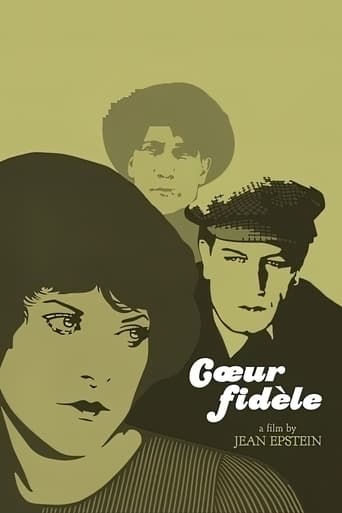
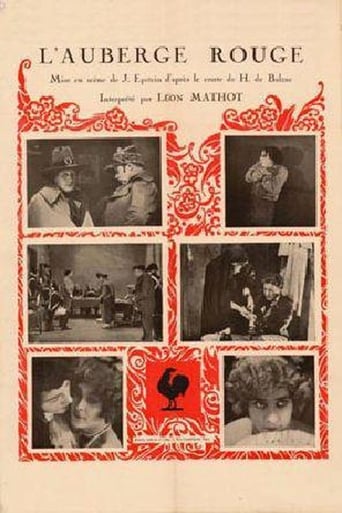
Made significant contributions to early French cinema during the silent era. Born in Roubaix, France, he began his acting career in the early 1910s, appearing in numerous short films and features that showcased his versatility as a performer. His role in Jean Epstein's acclaimed 1923 film 'Cœur fidèle' (Faithful Heart) demonstrated his ability to convey complex emotions through the silent medium, establishing him as a respected figure in French cinema. Mathot's performances were characterized by their naturalistic approach and emotional depth, which helped elevate the artistic quality of the films he appeared in. After establishing himself as an actor, he transitioned into directing in the 1930s, where he found continued success helming numerous French films throughout the following decades. His dual career as both actor and director spanned over five decades, making him one of the more enduring figures in French film history. Mathot's work during the silent era, particularly his collaborations with innovative directors like Jean Epstein, contributed to the development of cinematic language and storytelling techniques that would influence French cinema for generations.
The Craft
On Screen
Mathot's acting style was characterized by its naturalistic approach and emotional authenticity, which was particularly effective in the silent film medium. He employed subtle facial expressions and body language to convey complex emotions, avoiding the exaggerated gestures common in early cinema. His performances were noted for their psychological depth and ability to convey inner turmoil through minimal movement, making him particularly effective in dramatic roles. Mathot's technique demonstrated an understanding of the camera's ability to capture nuance, contributing to the evolution of more realistic acting styles in French cinema.
Milestones
- Breakthrough role in 'Cœur fidèle' (1923)
- Transition to directing in the 1930s
- Directed over 30 films during his career
- Collaborated with French director Jean Epstein
- Became a prominent figure in French cinema's transition from silent to sound films
Best Known For
Iconic Roles
Must-See Films
Accolades
Special Recognition
- Recognized as a figure in French cinema history
- Honored in French film retrospectives for contributions to silent era cinema
Working Relationships
Worked Often With
Studios
Why They Matter
Impact on Culture
Léon Mathot played a significant role in the development of French cinema during its formative years, particularly during the transition from silent films to sound. His work in Jean Epstein's 'Cœur fidèle' contributed to the film's recognition as a masterpiece of French impressionist cinema, influencing future generations of filmmakers. Mathot's naturalistic acting style helped move French cinema away from theatrical traditions toward more realistic performances that better utilized the unique capabilities of film as a medium. As both actor and director, he bridged different eras of French cinema, maintaining relevance through technological and artistic changes while preserving core cinematic values.
Lasting Legacy
Léon Mathot's legacy endures through his contributions to both the artistic and commercial development of French cinema. His performances in silent films, particularly 'Cœur fidèle,' continue to be studied by film scholars as examples of early naturalistic acting. His later career as a director demonstrated the versatility of early cinema professionals who adapted to changing technologies and audience preferences. Mathot represents the generation of French filmmakers who helped establish cinema as a legitimate art form while also ensuring its commercial viability. His work serves as an important bridge between the experimental beginnings of French cinema and its more mature classical period.
Who They Inspired
Mathot influenced subsequent generations of French actors through his demonstration of how subtlety and restraint could be more powerful than exaggerated expressions in film performance. His transition from acting to directing provided a model for other cinema professionals seeking to expand their creative roles within the industry. The techniques he developed for conveying emotion in silent films informed the approaches of actors working in early sound cinema, where visual performance remained crucial. His career longevity and adaptability inspired younger filmmakers to view cinema as a continuously evolving art form requiring constant learning and flexibility.
Off Screen
Léon Mathot led a relatively private life away from the spotlight, focusing primarily on his craft and contributions to French cinema. He was married to actress Léonora Bouthillier, with whom he occasionally collaborated professionally. The couple had one child together. Mathot was known among his colleagues as a dedicated professional who maintained strong relationships within the French film community throughout his lengthy career. His personal life remained largely out of the public eye, allowing his work to speak for itself.
Education
No formal education in cinema documented; likely learned through practical experience in the early French film industry
Family
- Léonora Bouthillier
Did You Know?
- Born and died on consecutive days (March 5 and March 6)
- Began his career during the very early days of French cinema
- Worked with director Jean Epstein on
- Successfully transitioned from silent films to sound films
- Directed films for over three decades after his acting career
- Was part of the generation that helped establish Paris as a center of cinematic innovation
- His film 'Cœur fidèle' is now considered a masterpiece of French impressionist cinema
- Appeared in over 30 films as an actor before transitioning to directing
- Maintained an active career in French cinema through major historical periods including both World Wars
- His directing active years covered from the early 1930s to the mid-1960s
In Their Own Words
(No documented famous quotes from Léon Mathot are available in historical records)
Frequently Asked Questions
Who was Léon Mathot?
French actor and on YTB.my. He is best known for his role in Jean Epstein's acclaimed 1923 film 'Cœur fidèle' and later transitioned to directing, helming numerous French films from the 1930s through the 1960s.
What films is Léon Mathot best known for?
Titles linked here include Cœur fidèle (1923), Joachim Goethal and the Secret of Steel (1912).
When was Léon Mathot born and when did he die?
Born March 5, 1886; died March 6, 1968.
What awards did Léon Mathot win?
While no specific major awards are documented in historical records, Mathot is recognized as a figure in French cinema history. His work, particularly in 'Cœur fidèle,' has been honored in French film retrospectives for its significant contribution to the silent era.
What was Léon Mathot's acting style?
Mathot's acting style was characterized by its naturalistic approach and emotional authenticity, using subtle facial expressions and body language rather than exaggerated gestures. His performances demonstrated psychological depth and an understanding of how to convey complex emotions through minimal movement, making him particularly effective in dramatic silent film roles.