Films
2 films
About Thomy Bourdelle
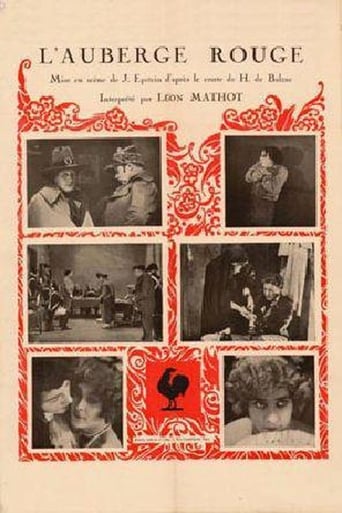
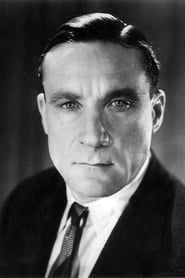
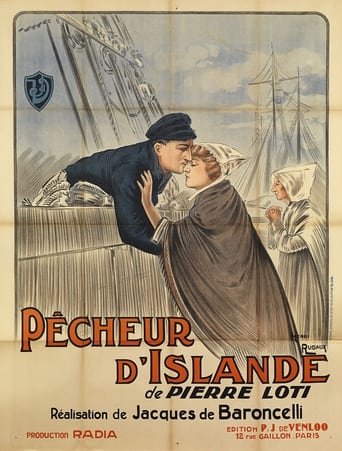
French actor who had a brief but notable career during the silent film era of the early 1920s. His film appearances were limited but significant, including roles in two major French productions of the period. Thomy appears in 'L'Auberge rouge' (The Red Inn) in 1923, a notable adaptation of a classic French story directed by Jean Epstein. The following year, he took a role in 'Pêcheur d'Islande' (Iceland Fisherman) in 1924, another important French silent film based on the novel by Pierre Loti. Despite his appearances in these significant productions, Bourdelle's film career remained extremely brief, spanning only these two known works. Like many character actors of the silent era, much of his personal history and career details remain obscure, with limited documentation surviving from this period of French cinema. His brief screen presence during the golden age of French silent film places him among the many supporting actors who contributed to the early European cinema.
The Craft
On Screen
As a silent film actor of the early 1920s, Bourdelle would have employed the exaggerated physical gestures and facial expressions typical of the era, using body language to convey emotion and character in the absence of dialogue. His performances in literary adaptations suggest he was capable of bringing depth to supporting roles in prestigious productions.
Milestones
- Appeared in L'Auberge rouge (1923)
- Appeared in Pêcheur d'Islande (1924)
- Worked during the peak of French silent cinema
Best Known For
Iconic Roles
Must-See Films
Working Relationships
Worked Often With
Studios
Why They Matter
Impact on Culture
Thomy Bourdelle's contribution to cinema, while limited in scope, represents the important role that character actors played in the silent film era. His appearances in two significant French literary adaptations helped bring classic French literature to the screen during a crucial period in the development of French cinema. These films were part of the movement to establish cinema as a serious art form in France, using respected literary sources to elevate the medium's cultural status.
Lasting Legacy
Thomy Bourdelle's legacy is preserved through his participation in two important films of the French silent era. While he was not a major star, his work contributes to our understanding of the ensemble casting practices of early French cinema and the importance of character actors in supporting the narrative structure of literary adaptations. His films, particularly L'Auberge rouge, have been studied by film historians as examples of the artistic achievements of French silent cinema.
Who They Inspired
As a supporting actor with a very brief career, Thomy Bourdelle's direct influence on other actors or filmmakers appears to be minimal. However, his work in these early French productions contributes to the broader understanding of acting techniques and casting practices during the silent era, serving as historical documentation of the collaborative nature of early film production in France.
Off Screen
Very little is documented about Thomy Bourdelle's personal life, which is not uncommon for supporting actors from the silent era. His brief film career suggests he may have been primarily a stage actor or had other professions outside of cinema. The lack of extensive biographical information indicates he was not a major star whose personal life would have been of public interest during his lifetime.
Did You Know?
- Had an extremely brief film career spanning only two years (1923-1924)
- Both of his known films were literary adaptations of famous French works
- L'Auberge rouge (1923) was directed by the influential filmmaker Jean Epstein
- Pêcheur d'Islande (1924) was based on the popular novel by Pierre Loti
- Like many silent film actors, his career ended with the transition to sound films
- Very little biographical information survives about him, typical of supporting actors of the era
- His films are considered important examples of French silent cinema's artistic achievements
- Both films he appeared in have been preserved and studied by film historians
- The Red Inn was later remade multiple times, showing the lasting appeal of the story
- His brief career coincided with the peak of artistic achievement in French silent cinema
Frequently Asked Questions
Who was Thomy Bourdelle?
French with credits in this catalog.
What films is Thomy Bourdelle best known for?
Titles linked here include L'Auberge rouge (1923), Pêcheur d'Islande (1924).
When was Thomy Bourdelle born and when did he die?
Born 1885; died 1962.
What awards did Thomy Bourdelle win?
There are no recorded awards or nominations for Thomy Bourdelle, which was common for supporting actors during the silent era when formal acting awards were not yet established.
What was Thomy Bourdelle's acting style?
As a silent film actor of the 1920s, Bourdelle would have used the exaggerated physical expressions and gestures typical of the era, conveying emotion through body language in the absence of spoken dialogue.
Why was Thomy Bourdelle's career so short?
The brevity of Bourdelle's career was not uncommon for character actors of the silent era; many such actors either returned to stage work, pursued other professions, or did not successfully transition to sound films.
What is the significance of the films Thomy Bourdelle appeared in?
Both films are considered important works of French silent cinema, representing the artistic movement to elevate cinema through literary adaptations and are studied by film historians for their artistic merit.