
Loyalty
"Kaatje, the daughter of the miller Schoonejans, and Jef, a"
Keys: Space play/pause · ←/→ 10s · F fullscreen · M mute · </> speed
About this film
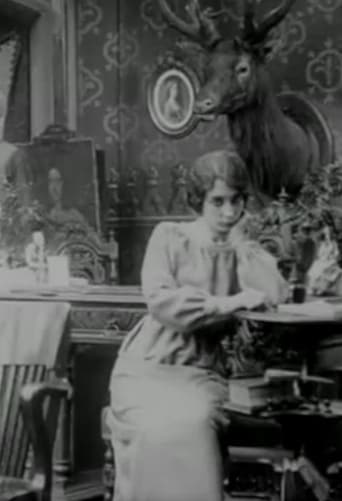
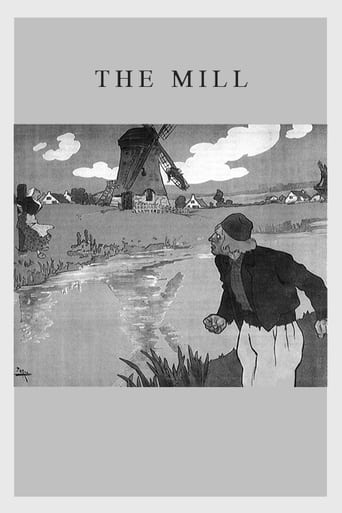
Kaatje, the daughter of the miller Schoonejans, and Jef, a little shepherd, who live near Delft, are happy together. In a floral parade, the carriage the two children have decorated with tulips wins the first prize. The next day, during a thunderstorm, lightning destroys the mill and kills Schoonejans. A life of misery starts for his widow and daughter. Remembering how the theatre manager Boolmans had applauded the dancing of Kaatje and Jef at the floral parade, the widow takes her daughter to Amsterdam, where Boolmans engages Kaatje. The years pass, and Kate has become a famous dancer.
Cast & crew
More Drama films
View all →






More from Alfred Machin
View all →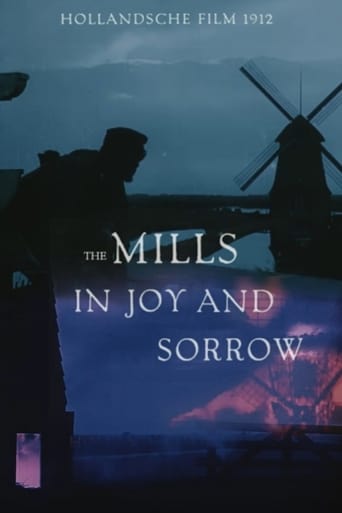

More about this film
About the production
Release date1914
ProductionPathé Frères
Filmed inNetherlands, Delft, Amsterdam
The short was unusual for its time as it was shot on location in the Netherlands rather than on studio sets. Director Alfred Machin, known for his technical innovations and preference for authentic settings, brought his film crew to capture real Dutch landscapes, architecture, and cultural elements. The production required extensive coordination with local Dutch communities, particularly for the floral parade sequence. The special effects for the lightning strike and mill destruction were achieved using early 20th century techniques that were considered technically ambitious for 1914.
Historical background
Produced Loyalty reflects Pathé Frères's release strategy for France markets at a moment when cinema technology and taste were shifting quickly.
Why this film matters
Programmers and historians revisit Loyalty (1914) because its story—kaatje, the daughter of the miller schoonejans, and jef, a little shepherd, who live near delft, are happy together—illustrates popular narrative habits and production norms of the period.
Making of
Alfred Machin, a Belgian director working for the French company Pathé, brought his crew to the Netherlands to capture authentic Dutch settings for 'Loyalty.' This location-based approach was relatively innovative for 1914, when most films were still shot on studio sets. The production faced significant challenges in coordinating the floral parade scene, which required cooperation from local Dutch communities and careful timing to capture the event authentically. The special effects for the lightning strike and mill destruction were achieved through a combination of practical effects, multiple exposures, and editing techniques that were advanced for the period. Machin, known for his technical expertise, insisted on real Dutch locations including actual windmills near Delft and authentic Amsterdam streets. the picture's narrative required careful casting to maintain character continuity from childhood to adulthood, with the transition scenes requiring particular attention to visual storytelling. The production team had to work with the limitations of 1914 film equipment while creating dramatic effects that would enhance the emotional impact of the story.
What critics said
English-language trade reviews of Loyalty are limited for 1914. Where notices survive, they stress pacing and photographic clarity; later criticism values the title as archival evidence of studio style.
Did you know?
- the picture authentic Dutch landscapes and architecture, including the iconic windmills of Delft, making it an early example of location-based international filmmaking
- Director Alfred Machin was a Belgian filmmaker working for the French company Pathé, known for his innovative filming techniques and preference for location shooting rather than studio work
- The floral parade scene required extensive coordination with local Dutch communities and featured real tulip decorations authentic to the region
- The lightning strike effect was achieved using early special effects techniques involving multiple exposures and careful editing
- the picture was distributed internationally by Pathé Frères, which was one of the world's largest film companies at the time, with distribution networks across Europe and America
- Child actors were used for the young versions of Kaatje and Jef, demonstrating the growing sophistication of casting in early narrative cinema
- the picture's themes of rising from poverty through artistic talent reflect common moral tales popular in early cinema
- The mill destruction scene was considered technically ambitious for 1914, requiring careful planning and execution of special effects
- the picture was released just before World War I, which would dramatically change European cinema production and distribution patterns
- Pathé's decision to film in the Netherlands demonstrated the company's international approach to production, seeking authentic settings for their stories
Visual style
The cinematography of 'Loyalty' was notable for its extensive use of location shooting, which was still relatively uncommon in 191
What audiences thought
the picture appears to have been well-received by audiences of its time, particularly in the Netherlands where the authentic local settings resonated strongly with viewers. The emotional story of triumph over adversity appealed to contemporary audiences who enjoyed moral tales with clear emotional arcs and satisfying resolutions. the picture's distribution by Pathé ensured it reached international audiences across Europe and potentially in other markets, though specific box office figures are not available from this period. The Dutch elements of the story likely made it particularly popular in the Netherlands and among Dutch communities abroad. the picture's themes of loyalty, artistic achievement, and overcoming tragedy through talent would have resonated with early cinema audiences who appreciated stories with clear moral messages and emotional depth. The visual spectacle of the floral parade and the dramatic storm sequence would have provided entertainment value while serving the narrative progression.
Where to watch
- Wikimedia Commons: https://commons.wikimedia.org/wiki/File:La%20Fille%20de%20Delft%20(1913).webm