No Poster
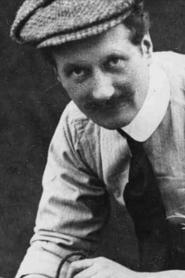
Alfred Machin
Director
Born: April 20, 1877 in Béthune, France Died: June 16, 1929 Active: 1909-1914 (primary directing period), 1914-1918 (war cinematography) Birth Name: Alfred Joseph Machin
Films
9 films

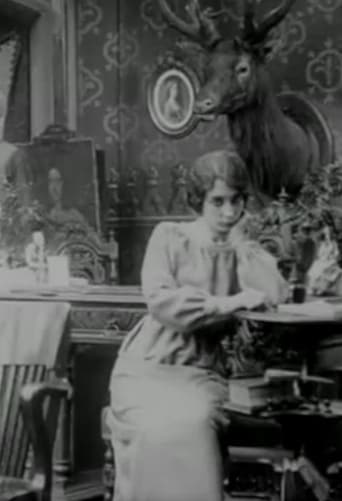
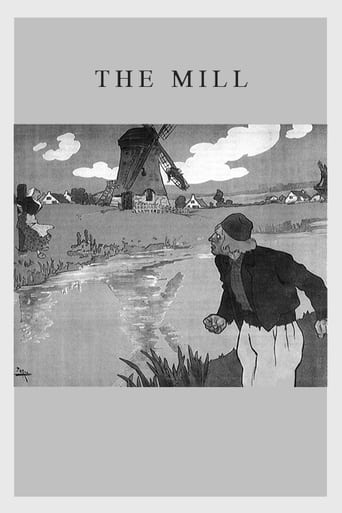
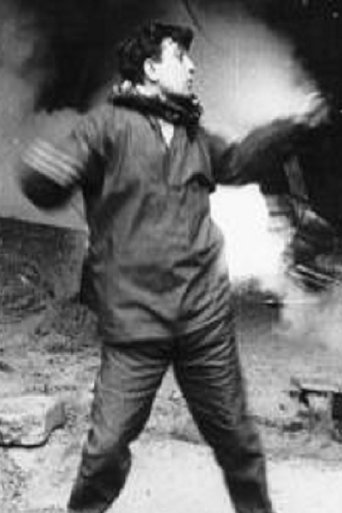
About Alfred Machin
French filmmaker who emerged during the dawn of cinema, establishing himself as innovative directors of the silent era's first decade. Beginning his career around 1909, Machin quickly gained recognition for his technical proficiency and imaginative storytelling, working primarily with Pathé, one of the era's dominant film studios. His films often showcased remarkable cinematographic techniques for their time, including innovative camera movements, location shooting, and sophisticated editing patterns that were revolutionary for the period. Machin was particularly known for his travelogues, documentaries, and fictional narratives that often incorporated exotic locations and elaborate production values. Between 1909 and 1914, he directed dozens of films that pushed the boundaries of early cinema, including ambitious projects like 'Joachim Goethal and the Secret of Steel' which demonstrated his ability to combine industrial themes with dramatic storytelling. His career was unfortunately cut short by World War I, during which he served as a war cinematographer, documenting the conflict with the same artistic sensibility he brought to his fictional works. Though his active directing period was relatively brief, Machin's contributions to early cinematic language and technique influenced subsequent generations of filmmakers working in Europe.
The Craft
Behind the Camera
Machin was known for his technical innovation and visual flair, often employing dynamic camera movements and elaborate mise-en-scène that was ahead of its time. His directing style combined documentary realism with dramatic storytelling, particularly evident in his industrial films that showcased machinery and labor processes with artistic sensibility. He frequently used location shooting to add authenticity and visual interest to his narratives, traveling extensively to capture diverse settings. Machin's compositions demonstrated sophisticated understanding of visual storytelling, with careful attention to framing and movement within the frame. His editing techniques, while constrained by the technology of the era, showed innovative approaches to narrative continuity and rhythm.
Milestones
- Directed over 100 short films during his peak period (1909-1914)
- Pioneered location shooting in exotic locations including North Africa
- Served as official war cinematographer during World War I
- Worked extensively with Pathé studio, helping establish their dominance
- Innovated early special effects and camera techniques
- Created some of the first fiction films with industrial themes
Best Known For
Must-See Films
Accolades
Special Recognition
- Recognized as one of Pathé's most prolific early directors
- Honored in French film history archives as a cinema pioneer
- Works preserved by the French Film Archives (Cinémathèque Française)
Working Relationships
Worked Often With
Studios
Why They Matter
Impact on Culture
Alfred Machin played a crucial role in the development of early cinema as both an art form and commercial enterprise. His work with Pathé helped establish the studio's dominance in the international film market during the 1910s. Machin's industrial films, particularly 'Joachim Goethal and the Secret of Steel,' represented some of the earliest examples of corporate documentary filmmaking, blending educational content with dramatic storytelling. His technical innovations in camera movement and location shooting influenced subsequent generations of filmmakers working in both documentary and fiction. Machin's war cinematography during World War I also contributed to the development of documentary war film techniques that would later influence filmmakers like D.W. Griffith and later war documentarians. His films, though rarely seen today, are preserved as important examples of early cinematic achievement and are studied by film historians interested in the development of film language and technique.
Lasting Legacy
Alfred Machin's legacy lies in his contributions to the technical and artistic development of early cinema, particularly in his work with industrial themes and documentary approaches. While not as widely remembered as some of his contemporaries like Georges Méliès or the Lumière brothers, Machin's films represent an important bridge between the earliest simple actualities and the more sophisticated narrative films of the mid-1910s. His extensive filmography, though mostly consisting of short films, demonstrates remarkable versatility and innovation within the technical constraints of the period. Today, film scholars and preservationists recognize Machin as an important figure in cinema history whose work deserves greater recognition. His films are preserved in various archives, including the Cinémathèque Française, where they continue to be studied by researchers interested in early cinema techniques and industrial filmmaking.
Who They Inspired
Machin influenced subsequent generations of filmmakers through his innovative approaches to location shooting, industrial subject matter, and technical experimentation. His work prefigured later developments in documentary filmmaking, particularly the use of dramatic techniques to present factual material. Industrial filmmakers and corporate documentarians of the 1920s and 1930s built upon techniques Machin helped develop. His war cinematography also influenced how subsequent filmmakers approached documenting conflict, balancing factual recording with artistic composition. French filmmakers of the 1920s avant-garde movement, while perhaps not directly influenced by Machin, benefited from the technical groundwork laid by pioneers like him who expanded the visual vocabulary of cinema.
Off Screen
Alfred Machin was born in northern France and developed an early interest in photography and visual arts before transitioning to the emerging medium of cinema. His career coincided with the rapid development of film technology, and he adapted quickly to new innovations. During World War I, he served his country as a war cinematographer, documenting the conflict with artistic sensitivity. After the war, he continued working in the film industry but focused more on cinematography and technical aspects rather than directing. He passed away in 1929 at the age of 52, leaving behind a significant but often overlooked legacy in early cinema history.
Education
Information about formal education is not available, but he likely received training in photography and early film techniques through practical experience with Pathé studio
Family
- Information not available in historical records
Did You Know?
- Directed over 100 films in just five years (1909-1914), demonstrating incredible productivity
- Was one of the first directors to extensively use location shooting in North Africa
- His film 'Joachim Goethal and the Secret of Steel' was commissioned by a steel company as industrial promotion
- Worked as a war cinematographer during World War I, documenting the conflict for historical purposes
- Many of his films have been lost due to the fragility of early film stock and the destruction of archives during World War II
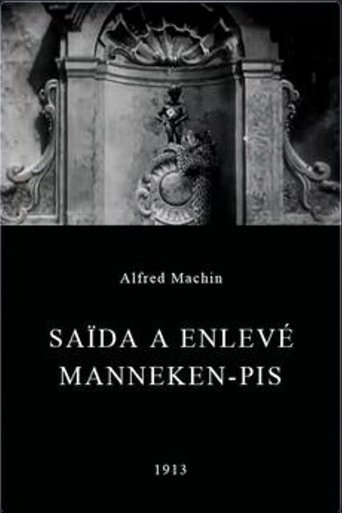
- His film 'Saïda Makes Off with the Manneken Pis' featured the famous Belgian statue, showing early use of cultural landmarks in cinema
- Machin was particularly skilled at combining documentary footage with staged dramatic scenes
- His industrial films were among the first to celebrate modern technology and industrial progress
- Worked primarily with the Pathé studio, which was the largest film company in the world during his active period
- His films often featured sophisticated special effects for their time, including multiple exposures and trick photography
In Their Own Words
The camera is not merely a recording device, but a window through which we can show the world its own beauty and progress
In the mill, as in life, every gear has its purpose, every movement its meaning
To film the steel industry is to capture the very heartbeat of modern civilization
Frequently Asked Questions
Who was Alfred Machin?
French on YTB.my. He worked primarily with Pathé studio and directed over 100 films, known for his technical innovations and industrial subject matter.
What films is Alfred Machin best known for?
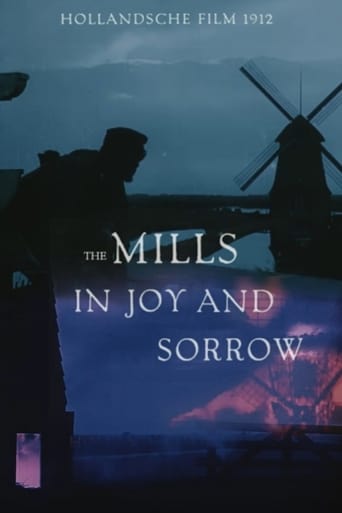
Titles linked here include The Mill (1909), The Mills in Joy and Sorrow (1912).
When was Alfred Machin born and when did he die?
Born April 20, 1877; died June 16, 1929.
What awards did Alfred Machin win?
During his active period, formal film awards were not yet established. His recognition came posthumously through film historical societies and archives that preserve his work as important examples of early cinema achievement.
What was Alfred Machin's directing style?
Machin's directing style was characterized by technical innovation, location shooting, and a blend of documentary realism with dramatic storytelling. He was known for sophisticated camera movements and elaborate production values that were advanced for his time.