The Mill
"One day."
Keys: Space play/pause · ←/→ 10s · F fullscreen · M mute · </> speed
About this film
Johanna loves poor farmer Joachim, yet marries the wealthy miller. One day, Joachim visits Johanna when he is away. When the miller finds out, he takes revenge.
Cast & crew
More films like this

More Drama films
View all →







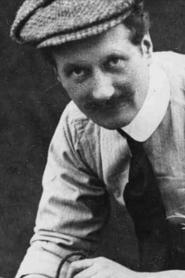
More from Alfred Machin
View all →

More about this film
About the production
Release date1909
Box officeUnknown
ProductionPathé Frères
Filmed inFrance
The Mill was produced during the early golden age of French cinema by Pathé Frères, among the pivotal film production companies of the era. Director Alfred Machin was known for his innovative techniques and was one of the pioneers of Belgian cinema before working extensively with Pathé. The film was shot in black and white on 35mm film, typical of productions of this period, and would have been hand-colored for special releases, a common practice for Pathé films to enhance their visual appeal.
Themes
Class conflictRomantic betrayalRevengeEconomic necessity vs. true loveSocial mobility
Themes & topics
love trianglemillerfarmerbetrayalrevengeclass differencestragedymarriageinfidelityjealousyrural drama
Historical background
Exhibitors around 1909 slotted The Mill into mixed bills where shorts, newsreels, and features shared the same program.
Why this film matters
Reference works on 1909 cinema cite The Mill when tracing genre and regional production patterns.
Making of
The production of 'The Mill' took place during a transformative period in cinema when filmmakers were beginning to explore more sophisticated narrative techniques. Director Alfred Machin, working under the auspices of Pathé Frères, would have directed the film using the continuity editing techniques that were becoming standard practice by 1909. The cast, led by Pitje Ambreville, Berryer, and Mademoiselle Saunières, were among the early professional actors in French cinema, transitioning from theatrical backgrounds to the new medium of film. The mill location provided both an authentic backdrop and symbolic setting for the class-based drama. As with many Pathé productions of this era, the film likely underwent some hand-coloring process, particularly for key dramatic scenes, to enhance its visual impact for audiences. The production would have been completed relatively quickly, as films of this period were typically shot in just a few days due to the high demand for new content from the rapidly expanding cinema market.
What critics said
Trade papers near 1909 listed The Mill as program material rather than headline art cinema.
Did you know?
- Director Alfred Machin was a pioneering figure in Belgian cinema before gaining international recognition with his work for Pathé Frères
- The film was produced during the height of Pathé Frères' dominance in the global film market
- Like many films of 1909, it would have been accompanied by live musical accompaniment during theatrical screenings
- The film represents an early example of dramatic narrative cinema, moving away from the simpler actualities and trick films of the previous decade
- Pitje Ambreville, who played Johanna, was one of the early dramatic actresses in French cinema
- The mill setting was likely chosen for its visual appeal and symbolic significance in representing industrial progress and rural tradition
- The film's themes of class division and romantic tragedy were common in early French dramatic cinema
- Alfred Machin was known for his innovative use of location shooting, which was relatively rare for films of this period
- The film was distributed internationally by Pathé, reaching audiences across Europe and North America
- 1909 was a significant year in cinema history, marking the transition from short novelty films to more complex narrative features
Visual style
The cinematography of 'The Mill' reflects the technical standards and artistic aspirations of French cinema in 1909. Shot on 35mm black and white film, the visual approach would have utilized static camera positions typical of the period, with careful composition within each frame to convey the dramatic relationships between characters. The mill setting would have been chosen for its visual interest and symbolic value, with the large mechanical elements providing contrast to the human drama. Lighting would have been primarily natural, as artificial lighting was still rudimentary, with filmmakers relying on daylight and reflectors to illuminate scenes. Some prints may have featured hand-coloring, a Pathé specialty, particularly for dramatic moments or to highlight key elements like fire or blood. The cinematography would have served the narrative clearly, with medium shots predominating to capture both actors' expressions and their interactions within the environment.
Innovations
While 'The Mill' does not represent a major technical breakthrough in cinema history, it demonstrates the sophisticated filmmaking techniques that had been developed by 1909. The film utilizes continuity editing to maintain narrative coherence across scenes, a technique that was still being refined during this period. The use of location shooting at an actual mill, rather than relying entirely on studio sets, shows the growing trend toward greater visual realism in French cinema. The film's dramatic structure, with its clear setup, conflict, and resolution, represents the maturation of narrative film grammar. As a Pathé production, it would have benefited from the company's advanced film processing and duplication techniques, ensuring relatively consistent image quality across multiple prints. The potential use of hand-coloring for certain scenes would have employed the stencil coloring techniques that Pathé had perfected, representing among the leading advanced color processes available before the advent of true color cinematography.
Music
As a silent film from 1909, 'The Mill' would have been accompanied by live musical performance during its theatrical exhibition. The specific musical selections would have varied by venue, ranging from solo piano accompaniment in smaller theaters to small orchestras in more prestigious cinemas. The music would have been chosen to enhance the dramatic mood of each scene, with faster tempos and minor keys for moments of tension and conflict, and more lyrical melodies for the romantic sequences. Pathé sometimes provided suggested musical cues with their film releases, and it's possible that 'The Mill' included such recommendations. The score would have drawn from popular classical pieces, operatic excerpts, and original compositions improvised by the accompanist. The music played a crucial role in conveying emotion and narrative progression in an era before synchronized sound became technically feasible.
Famous quotes
Silent film - no recorded dialogue available
Intertitles would have conveyed key plot points, but specific text from this film is not preserved in available sources
Memorable scenes
- The climactic confrontation scene where the miller discovers Johanna and Joachim together, representing the film's dramatic peak and the catalyst for the tragic resolution
- The opening scenes establishing the class differences between the farmer Joachim and the wealthy miller, setting up the central social conflict
- Johanna's internal struggle as she chooses between love and economic security, conveyed through the expressive acting techniques of the period
What audiences thought
Audience reception in 1909 would have been shaped by the novelty of seeing dramatic stories told through the medium of film. As a Pathé production, 'The Mill' would have been marketed to middle-class audiences who were increasingly frequenting cinemas for narrative films rather than simple actualities. The story's themes of love, betrayal, and revenge would have resonated with contemporary audiences familiar with similar plots in literature and theater. The film's relatively short running time of approximately 10 minutes was typical for the period, allowing it to be featured in mixed programs with other short films. The visual spectacle of the mill setting and the dramatic performances would have been major draws for audiences of the era, who were still discovering the emotional power of cinema as a storytelling medium.
Film connections
Influenced by
- Literary melodramas of the 19th century
- French theatrical traditions
- Earlier Pathé dramatic productions
- The works of Georges Méliès (in terms of French cinematic tradition)
- Contemporary literary naturalism
This film influenced
- Later French melodramas of the 1910s
- Rural dramas in European cinema
- Class-conscious films of the silent era
Film restoration
The preservation status of 'The Mill' (1909) is uncertain, as many films from this early period have been lost due to the unstable nature of early film stock and lack of systematic preservation efforts. Some Pathé productions from this era survive in archives such as the Cinémathèque Française, the Library of Congress, and the British Film Institute, but specific information about this particular title's survival is limited. Film historians continue to search for lost works from this period in private collections and international archives. If prints do exist, they would likely be in 35mm format and may show signs of deterioration common to films of this age. Any surviving copies would be invaluable artifacts of early narrative cinema.
Where to watch
- Potentially available through film archives with special screening requests
- May be included in collections of early French cinema released by specialty DVD/Blu-ray companies
- Possible availability through academic film libraries or university collections
- Streaming platforms specializing in classic and silent cinema may occasionally feature similar Pathé productions
- Film festivals focusing on silent or early cinema occasionally program rare works from this period