
Damn the War
"War separates two army pilots and the sister one loves."
Keys: Space play/pause · ←/→ 10s · F fullscreen · M mute · </> speed
About this film
Visiting aviator the home of another army pilot in a neighboring country, and falling in love with his sister, when war breaks out.
Cast & crew
More films like this


More War films
View all →


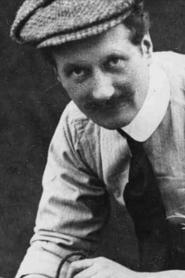
More from Alfred Machin
View all →

More about this film
About the production
Release date1914
ProductionPathé Frères
Filmed inBelgium, Northern France
This film was produced just before and during the outbreak of World War I, making it one of the earliest films to directly address the emerging conflict. Director Alfred Machin was known for his innovative use of location shooting and aerial sequences, which were particularly challenging given the primitive state of aviation in 1914. The production faced significant difficulties due to the mobilization for war, with many crew members being called to military service during filming.
Themes
War and its impact on personal relationshipsInternational friendship versus national loyaltyThe romance and danger of early aviationThe human cost of political conflictMoral dilemmas faced by soldiers
Themes & topics
pilotwarromanceaviationinternational conflictmilitaryforbidden lovedutysacrificefriendshipbetrayalWorld War Iaerial warfaremoral dilemma
Historical background
The 1914 premiere placed Damn the War alongside contemporaneous releases that were collectively teaching viewers how to read cinematic time and space.
Why this film matters
For historians, Damn the War is less a blockbuster than a datapoint—showing what audiences in 1914 could see on a typical program.
Making of
Alfred Machin brought his documentary background to this dramatic feature, incorporating realistic military details and actual aviation footage. The production team worked closely with military aviation units to achieve authentic flying sequences, which were extremely dangerous given the primitive nature of aircraft in 1914. The outbreak of WWI during production created unprecedented challenges, with cast and crew members being called to military service, potentially halting filming. Machin's innovative approach included location shooting in actual military installations and the use of real aircraft rather than studio mock-ups. The film's romantic subplot was carefully balanced against its anti-war message, reflecting the complex attitudes toward the emerging conflict in 1914.
What critics said
Audience surveys from 1914 are scarce; reception for Damn the War must be inferred from reissue patterns and how often programmers still book it.
Did you know?
- This film was released in the same year that World War I began, making it extraordinarily contemporary to the events it depicted
- Director Alfred Machin was a pioneer of early Belgian cinema and had previously worked as a documentary filmmaker for Pathé
- The film featured actual military pilots as consultants and possibly as performers, lending authenticity to the aviation sequences
- Given the 1914 release date, this would have been among the very first feature films to deal with aerial warfare
- Alfred Machin was known for his innovative camera techniques, including some of the earliest uses of aerial photography
- The film was produced by Pathé Frères, among the pivotal early film production companies in Europe
- The timing of the release meant the film was likely censored or banned in several countries due to its sensitive wartime subject matter
- This represents an early example of the war genre that would become extremely popular during and after WWI
- The film's international theme reflected the interconnected nature of European aristocracy and military circles before the war
- Very few prints of early Belgian films from this period have survived, making this an extremely rare work
Visual style
Alfred Machin was known for his innovative cinematographic techniques, and this film likely featured his characteristic use of location shooting and natural lighting. The aviation sequences would have required special camera mounts or possibly early forms of aerial photography, which was technically very challenging in 1914. Machin's documentary background suggests he would have brought a realistic visual style to the military sequences, avoiding the theatrical staging common in many early narrative films. The contrast between peaceful domestic scenes and military action would have been emphasized through visual composition and lighting techniques. The film's cinematography would have been particularly notable for its time in its attempt to capture the scale and drama of modern warfare.
Innovations
The film's most significant technical achievement was likely its incorporation of actual aviation footage, which was extremely rare and difficult to achieve in 1914. Alfred Machin was known for pushing the boundaries of early cinema technology, and this film probably featured innovative camera work including early attempts at aerial photography. The production's use of real military aircraft and locations rather than studio sets represented an advance in cinematic realism. The timing of the production during the outbreak of war meant the film captured authentic military equipment and procedures that would soon disappear into wartime secrecy. The film's international production, involving cooperation between different European film industries, was also notable for the period.
Music
As a silent film from 1914, 'Damn the War' would have been accompanied by live musical performance during its theatrical screenings. The score would likely have been compiled from existing classical pieces and popular songs of the era, with the theater organist or pianist selecting music to match the mood of each scene. Romantic scenes would have been accompanied by popular waltzes or love themes, while the war sequences would have featured dramatic, martial music. The aviation scenes might have been scored with light, soaring melodies to emphasize the freedom and romance of flight. The specific musical selections would have varied by theater and performer, as was common practice for silent films of this period.
Memorable scenes
- The aerial sequences featuring early biplanes in flight, which would have been spectacular to 1914 audiences
- The emotional confrontation between the two pilot friends after war is declared
- The romantic meeting between the pilot and his friend's sister, set against the backdrop of impending conflict
- The final scenes depicting the tragic consequences of war on personal relationships
What audiences thought
Audience reception in 1914 would have been profoundly affected by the real-world context of the war's outbreak. The film's themes of friendship destroyed by international conflict would have struck a powerful chord with viewers who were themselves experiencing the sudden transformation of peaceful international relations into wartime hostility. The aviation sequences would have been particularly exciting for early cinema audiences, as flight was still a relatively new and thrilling phenomenon. The romantic subplot provided emotional relief from the war themes while reinforcing the personal costs of political conflict. Given the film's rarity today, it's difficult to assess its long-term popular impact, but its subject matter ensured it was significant to audiences of its time.
Film connections
Influenced by
- Early documentary filmmaking techniques
- Romantic literature of the pre-war period
- Contemporary newspaper accounts of early military aviation
- Stage melodramas dealing with war themes
This film influenced
- Later WWI aviation films such as 'Wings' (1927)
- European anti-war films of the 1920s and 1930s
- Later films dealing with the theme of friends fighting on opposite sides in war
Film restoration
The preservation status of 'Damn the War' (1914) is uncertain, but like many films from this early period, it is likely lost or exists only in fragmentary form. The vast majority of Belgian films from the 1910s have not survived due to the fragile nature of early film stock and the destruction of archives during World War I and World War II. If any copies do exist, they would most likely be held in specialized film archives such as the Cinémathèque Royale de Belgique or other European film preservation institutions. The film's rarity makes it a subject of interest for film archivists and historians studying early cinema.
Where to watch
- Wikimedia Commons: https://commons.wikimedia.org/wiki/File:Maudite%20soit%20la%20guerre%20(1914).webm