Films
2 films
About Nadia D'Angely
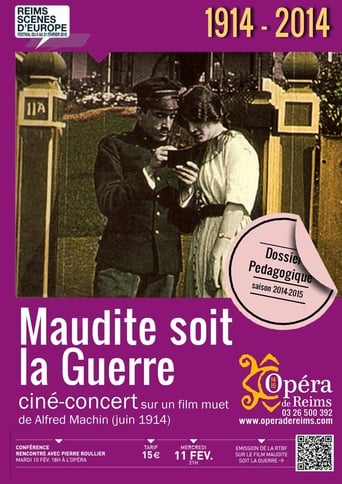
The 1914 film Damn the War is the only title linked here for Nadia D'Angely. Her known filmography consists of a single appearance in the anti-war drama 'Damn the War' (1914), which was produced during the early months of World War I. Like many actors of this period, her career was extremely brief, spanning only the year 1914. The film itself was part of a wave of early cinema that began exploring serious social themes, moving away from the simpler theatrical productions that characterized the first decade of motion pictures. Very little documentation survives about performers from this era, particularly those who had such limited careers. Her contribution to cinema, while small, represents the countless anonymous actors who helped establish the foundation of the film industry during its formative years.
The Craft
Milestones
- Appeared in 'Damn the War' (1914)
Best Known For
Must-See Films
Why They Matter
Impact on Culture
As an actor with an extremely brief career in 1914, Nadia D'Angely's cultural impact was minimal but representative of the thousands of performers who contributed to early cinema's development. Her appearance in 'Damn the War' places her within the context of early war-themed films that emerged during World War I, reflecting cinema's growing role as a medium for social commentary. While individual actors from this period with limited filmographies rarely achieved lasting recognition, their collective contributions helped establish the acting techniques and film production methods that would evolve throughout the silent era. The scarcity of information about performers like D'Angely highlights the ephemeral nature of early film stardom and the challenges of documenting cinema history from its first decades.
Lasting Legacy
Nadia D'Angely's legacy is primarily as an example of the many anonymous actors who populated early silent films. Her single known appearance in 'Damn the War' (1914) makes her part of the historical record of early cinema, though her individual contributions remain largely undocumented. Like many performers from this period who had brief careers, she represents the vast talent pool that existed during cinema's formative years, most of whom have been lost to history due to inadequate record-keeping and the perishable nature of early film documentation. Her story illustrates the transient nature of early film stardom and the difficulty of preserving the memories of those who briefly graced the silver screen during cinema's infancy.
Who They Inspired
Due to her extremely limited career spanning only 1914, there is no documented evidence of Nadia D'Angely influencing other performers or filmmakers. Actors with such brief careers in the silent era typically did not have the opportunity to establish acting techniques or mentor others in the industry. Her influence, if any, would have been limited to her immediate work on 'Damn the War' and any potential impact on fellow cast and crew members during that single production.
Off Screen
No documented personal information is available for Nadia D'Angely, which was common for actors of the silent era who had brief careers and limited public recognition.
Did You Know?
- Appeared in films during the very first year of World War I
- Her entire known filmography consists of just one film
- 1914 was a pivotal year in cinema, with the industry transitioning from short films to feature-length productions
- Many actors from 1914 have incomplete or lost records due to poor documentation practices of the era
- The film 'Damn the War' was part of early cinema's exploration of serious social themes
Frequently Asked Questions
Who was Nadia D'Angely?
Silent film actress active in 1914, known only for her appearance in the film 'Damn the War.' Her career was extremely brief, spanning just one year, and very little documentation about her life and work survives today.
What films is Nadia D'Angely best known for?
Titles linked here include Damn the War (1914).
When was Nadia D'Angely born and when did she die?
Unfortunately, no birth or death information is available for Nadia D'Angely. This lack of biographical data is common for actors who had brief careers in the early silent film period, when record-keeping was often incomplete.
What awards did Nadia D'Angely win?
There are no documented awards or honors for Nadia D'Angely. The major film award systems, including the Academy Awards, were not established until many years after her brief 1914 career.
What was Nadia D'Angely's acting style?
No specific information exists about Nadia D'Angely's acting style or techniques. With only one known film appearance and no surviving critical reviews or interviews, her artistic approach remains undocumented, which is typical for actors of her era with limited careers.