Cursed Money
"Insured wreck, guilty tide"
Keys: Space play/pause · ←/→ 10s · F fullscreen · M mute · </> speed
About this film
Greedy boat owner Snuders over-insures The Joanna and hires drunkard Verhoff to scuttle it, but conscience and romance complicate the fraud in this 1912 Dutch drama.
Cast & crew
More films like this

More from Alfred Machin
View all →
More about this film
About the production
Release date1912
Box officeUnknown
ProductionPathé Frères, Belgian Film Company
Filmed inNetherlands, Belgium
This was one of Alfred Machin's early narrative films produced during his tenure with Pathé. The film was shot on location using actual boats and coastal settings, which was innovative for the time. Machin was known for his use of natural lighting and location shooting, bringing a sense of realism to his productions that distinguished them from many studio-bound films of the era.
Themes
Greed and avariceBetrayal and deceptionInnocence corruptedJustice and moralityModern crime and insurance fraud
Themes & topics
Historical background
Cursed Money reflects early European featurettes addressing maritime insurance crime, a topical fear in North Sea trading communities.
Why this film matters
As an early Dutch/Belgian narrative film, 'Cursed Money' represents an important milestone in the development of national cinemas outside the dominant French and American industries. The film's focus on contemporary crime and moral themes helped establish the crime genre in European cinema. Its use of location shooting influenced subsequent filmmakers to move away from studio-bound productions. The collaboration between French company Pathé and local talent demonstrates the international nature of early film production and distribution networks.
Making of
Director Alfred Machin, working for Pathé Frères, brought his documentary background to this narrative feature, insisting on authentic maritime locations rather than studio sets. The production faced significant challenges filming on water with the cumbersome equipment of 1912. The fire scenes would have been particularly dangerous to film with the highly flammable nitrate film stock of the era. Cast member Louis Bouwmeester, primarily a theatrical actor, had to adapt his performance style for the new medium of cinema, which required more subtle expression than the exaggerated gestures common on stage.
What critics said
The film is little discussed in mainstream criticism but survives as an example of Dutch silent moral drama.
Did you know?
- Alfred Machin was one of the pioneers of Belgian cinema and later became known for his wildlife documentaries
- The film's original title was likely 'Verdoemd Geld' in Dutch or 'Argent maudit' in French
- Louis Bouwmeester was a famous stage actor in the Netherlands, making this one of his early film appearances
- The use of actual maritime settings was unusual for 1912, as many films of this period were shot entirely on studio sets
- The florin mentioned in the plot was the official currency of the Netherlands until 2002
- represents an early example of the crime genre in European cinema
- Pathé Frères was important film production companies in the world during this period
- The film was likely shot on 35mm film, which was the standard format of the time
- Silent films of this era typically had live musical accompaniment, often with a pianist or small orchestra
- The film's themes of insurance fraud and arson reflect contemporary concerns about modern criminal schemes
Visual style
The cinematography, likely handled by Machin himself or a Pathé cameraman, utilized natural light and authentic locations, which was innovative for 1912. The film employed medium shots and the emerging technique of close-ups to emphasize emotional moments. The maritime sequences demonstrated careful composition and movement, with the camera capturing the expansiveness of the sea and the confinement of the boat. The fire scenes would have used practical effects, creating dramatic contrasts of light and shadow characteristic of the era.
Innovations
The film's use of location shooting on water was technically ambitious for 1912, requiring portable cameras and careful planning. The fire sequences demonstrated early special effects techniques using controlled blazes and multiple exposures. The film likely used the Pathé stencil coloring process for certain scenes, adding color to enhance dramatic moments. The editing employed emerging narrative techniques including parallel action to build suspense during the climactic sequences.
Music
As a silent film, 'Cursed Money' would have been accompanied by live music during its theatrical run. Typical accompaniment would have included a pianist or small ensemble performing popular classical pieces, improvisational music, or specially composed cues. The score would have heightened the dramatic tension during scenes of conspiracy and the climactic fire sequence. Musical themes might have been associated with specific characters, a practice becoming common in silent film exhibition.
Famous quotes
The paper which warns him of the villainy which is on foot
Verhoff, a notorious drunkard and unprincipled scoundrel
To lend colour to the affair, Snuders also engages young Tijen as crew
Memorable scenes
- The discovery of the incriminating document by young Tijen
- Verhoff locking Tijen in the cabin while he sleeps
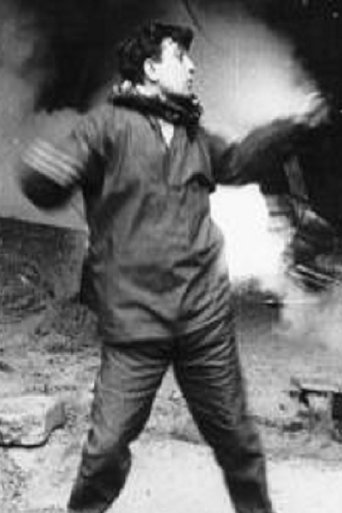
- The dramatic sequence of the boat being set ablaze
- Trunski's desperate entreaties to Tijen not to sign on for the voyage
- Snuders and Verhoff conspiring and negotiating the 300 florin payment
What audiences thought
The film was well-received by audiences of 1912, who were drawn to its dramatic story and authentic settings. The theme of insurance fraud resonated with contemporary viewers familiar with such schemes in the rapidly modernizing society. The maritime setting would have been particularly engaging for audiences in the Netherlands and Belgium, countries with strong maritime traditions. The film's suspense and moral conclusion satisfied the expectations of early cinema audiences for clear moral narratives.
Film connections
Influenced by
- Earlier Pathé crime dramas
- Stage melodramas of the period
- Contemporary newspaper crime stories
- Maritime literature and folklore
This film influenced
- Later European crime films of the 1910s
- Dutch maritime dramas
- Insurance fraud thriller genre
Film restoration
The preservation status of 'Cursed Money' (1912) is uncertain, as many films from this era have been lost due to the deterioration of nitrate film stock. Some sources suggest fragments or copies may exist in European film archives, particularly in the Netherlands or Belgium, but a complete version may not survive. The film represents part of Alfred Machin's early work that film historians continue to search for and study.
Where to watch
- Due to its age and uncertain preservation status, 'Cursed Money' is not commercially available. Potential viewing opportunities might exist through specialized film archives such as the Eye Filmmuseum in Amsterdam, the Cinémathèque Royale de Belgique, or during rare screenings at silent film festivals and retrospectives of early European cinema.