Films
5 films

About Jacques Vandenne
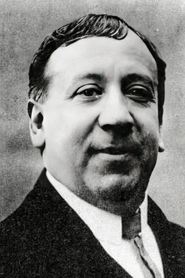
French actor who worked briefly during the early silent film era, specifically active between 1911 and 1912. His the years of French cinema when the medium was still establishing itself as an art form. Vandenne appeared in several short films during this period, working primarily in productions that were typical of the era's brief, narrative-driven format. His known filmography includes four titles: 'Max and His Mother-in-Law' (1911), 'Max Takes Tonics' (1911), 'The Mills in Joy and Sorrow' (1912), and 'Cursed Money' (1912). The two 'Max' films suggest he may have been part of the popular Max Linder comedy series that was hugely successful in early French cinema. Like many actors of this period, Vandenne's career was relatively short, possibly due to the transitional nature of the early film industry and the limited opportunities available at the time. His work represents the contributions of the many lesser-known actors who helped establish the foundations of cinema during its formative years.
The Craft
Milestones
- Appeared in early French silent films during the era of cinema
- Worked in productions during the foundational years of French film industry
- Participated in the Max Linder comedy film series
- Contributed to early 20th century cinematic storytelling
Best Known For
Must-See Films
Why They Matter
Impact on Culture
Jacques Vandenne's cultural impact, while modest, represents the collective contribution of the many actors who participated in cinema's formative years. His work in early French silent films, particularly in the Max Linder series, places him within an important movement that helped establish comedy as a foundational genre in cinema. The early 1910s were crucial for developing film language and storytelling techniques, and actors like Vandenne were part of this experimental period. His appearances in films that have survived to this day make him part of the historical record of cinema's development, even if his individual contributions were relatively small.
Lasting Legacy
Jacques Vandenne's legacy is primarily that of a representative figure from cinema's earliest days, exemplifying the many actors whose brief careers contributed to the medium's development. His filmography, though limited, provides insight into the types of productions being created in France during 1911-1912, particularly the popular comedy formats that would influence later filmmakers. The survival of his films ensures that his work remains accessible to film historians and enthusiasts studying the evolution of cinema. While not a major star, Vandenne represents the countless performers who helped establish the foundation of the film industry during its most experimental and formative decade.
Who They Inspired
As an actor with a very brief career during cinema's earliest years, Jacques Vandenne's direct influence on subsequent generations of performers is likely minimal. However, his participation in early French comedy films contributed to the development of comedic timing and visual humor techniques that would become staples of cinema. The Max Linder series he appeared in was particularly influential on later comedy filmmakers, including Charlie Chaplin, who cited Linder as an influence. Vandenne's work, as part of these early productions, indirectly contributed to the evolution of film comedy and the establishment of acting techniques for the silent medium.
Off Screen
Very little is known about Jacques Vandenne's personal life, which is typical for many actors from the early silent film era whose careers were brief and occurred before comprehensive film industry documentation became standard practice.
Did You Know?
- Jacques Vandenne's entire known filmography spans only two years, from 1911 to 1912
- He appeared in two films featuring Max Linder, one of early cinema's first international comedy stars
- All of his known films were short-form productions, typical of the era
- His career coincided with the rapid development of French cinema as a major industry
- The survival of his films makes them valuable historical documents of early 20th century filmmaking
- Like many actors of his era, he likely came from a theatrical background before transitioning to film
- His brief career suggests he may have been a character actor rather than a leading man
- The films he appeared in were produced during the peak of French cinema's global influence before World War I
Frequently Asked Questions
Who was Jacques Vandenne?
French with credits in this catalog. He appeared in four known short films, including two from the popular Max Linder comedy series, representing the contributions of lesser-known actors during cinema's formative years.
What films is Jacques Vandenne best known for?
Titles linked here include Max and His Mother-in-Law (1911), Max Takes Tonics (1911).
When was Jacques Vandenne born and when did he die?
Unfortunately, Jacques Vandenne's birth and death dates are not documented in available historical records, which is common for many actors who had brief careers in the early silent film era before comprehensive industry record-keeping was established.
What awards did Jacques Vandenne win?
Jacques Vandenne did not receive any known awards or nominations during his brief career in the early 1910s, as formal award systems for cinema had not yet been established during his active period.
What was Jacques Vandenne's acting style?
While specific details about Jacques Vandenne's acting style are not documented in surviving records, actors of his era typically used exaggerated gestures and facial expressions appropriate for silent film, often drawing from theatrical traditions to convey emotion without dialogue.
Why was Jacques Vandenne's career so short?
Jacques Vandenne's brief career from 1911-1912 was not uncommon for actors during cinema's earliest years, when the industry was still developing and many performers moved between different professions or had limited opportunities in the nascent film business.