
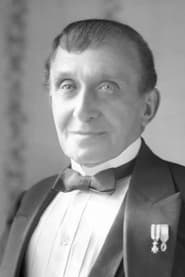
Louis Bouwmeester
Actor
Born: June 28, 1842 in Middelburg, Netherlands Died: April 28, 1925 Active: 1858-1925 (Theater), 1912-1912 (Film) Birth Name: Louis Frederik Johannes Bouwmeester
Films
1 film
About Louis Bouwmeester
Louis Frederik Johannes Bouwmeester was Dutch actors of the 19th century, primarily renowned for his commanding stage presence and theatrical performances. Born into a theatrical family in 1842, he began his acting career as a child and quickly rose to prominence in the Dutch theater scene. Throughout his long and illustrious career, he became known for his powerful dramatic performances and his ability to embody complex characters with remarkable depth and authenticity. In his later years, Bouwmeester made the transition to the emerging medium of cinema, appearing in several Dutch silent films including 'Het vervloekte geld' (Cursed Money) in 1912. His film appearances, though brief, captured the theatrical intensity that had made him a legend on stage. Despite being in his seventies during his film career, he maintained the vigor and emotional range that had defined his theatrical work. Bouwmeester's influence on Dutch theater and early cinema was profound, setting standards for performance that would influence generations of actors.
The Craft
On Screen
Known for his powerful, melodramatic style typical of 19th-century theater, Bouwmeester brought theatrical intensity to his film performances. His acting was characterized by grand gestures, emotional depth, and a commanding stage presence that translated effectively to the silent screen. He specialized in dramatic roles that required intense emotional expression, utilizing the exaggerated techniques necessary for both large theater audiences and the limitations of silent film technology.
Milestones
- Debuted as a child actor in 1858
- Became leading actor at Amsterdam's Grand Theatre in the 1870s
- Established himself as the premier dramatic actor in the Netherlands
- Transitioned to silent films in his seventies
- Appeared in 'Het vervloekte geld' (1912), one of the earliest Dutch narrative films
Best Known For
Iconic Roles
Must-See Films
Accolades
Won
- Royal recognition for contributions to Dutch theater
- Honorary memberships in theatrical societies
Special Recognition
- Knight of the Order of Orange-Nassau for contributions to Dutch culture
- Named one of the greatest Dutch actors of the 19th century
Working Relationships
Worked Often With
Studios
Why They Matter
Impact on Culture
Louis Bouwmeester played a crucial role in establishing high standards for dramatic acting in the Netherlands during the 19th and early 20th centuries. His theatrical performances helped legitimize acting as a respected profession in Dutch society and elevated the cultural status of theater. By bridging the gap between classical theater and early cinema, he contributed to the artistic development of Dutch film during its formative years. His work in 'Het vervloekte geld' demonstrated how theatrical techniques could be adapted to the new medium of film, influencing subsequent Dutch filmmakers and actors.
Lasting Legacy
Bouwmeester's legacy endures through his contributions to Dutch theatrical tradition and his role in early Dutch cinema. He is remembered as one of the foundational figures in Dutch performing arts, whose standards for dramatic excellence influenced generations of performers. His family continued his theatrical tradition, with multiple children and grandchildren becoming successful actors. The techniques and artistic principles he developed helped shape Dutch theater and film throughout the 20th century. Today, he is studied as an important figure in the transition from classical theater to modern cinema in the Netherlands.
Who They Inspired
Bouwmeester influenced Dutch acting by establishing a tradition of intense, emotionally committed performance that balanced technical skill with authentic emotional expression. His approach to character development and his ability to convey complex emotions without dialogue (essential for silent film) became a model for subsequent Dutch actors. Many of his techniques for stage projection and character embodiment were adapted for film by later Dutch performers. His success demonstrated that theatrical actors could successfully transition to cinema, encouraging other stage performers to explore the new medium.
Off Screen
Louis Bouwmeester came from a family deeply embedded in the theatrical world. He married twice during his lifetime, with both marriages occurring within the theatrical community. His personal life was closely intertwined with his professional career, as was common for actors of his era. He maintained a reputation as a dedicated artist who prioritized his craft above personal comfort. In his later years, he witnessed the transition from theatrical dominance to the rise of cinema, adapting to new mediums while maintaining his artistic integrity.
Education
Primarily self-taught through practical theater experience; received informal training from his father and other theater professionals of the era
Family
- Frederika van der Meulen (1865-1875)
- Mina Sperling (1876-1925)
Did You Know?
- Was 70 years old when he made his film debut in 1912
- Came from a family of 11 children, many of whom entered the theater
- His brother Theo Bouwmeester was also a famous actor
- Spent over 60 years on stage before appearing in films
- Was considered the 'Dutch Sarah Bernhardt' for his dramatic intensity
- Maintained his theatrical career while appearing in films
- His film appearances were rare but highly anticipated events
- Helped establish acting as a respectable profession in Dutch society
- Was known for his photographic memory and ability to memorize long scripts
- Performed in multiple languages including Dutch, French, and German
In Their Own Words
The stage is my home, but the camera is a new window to the soul
Age is no barrier to art; the heart knows no retirement
In silence, as in speech, truth must find its voice
The actor's duty is to become the truth others seek
Theater teaches us to live many lives; film teaches us to see them clearly
Frequently Asked Questions
Who was Louis Bouwmeester?
Louis Bouwmeester was. He appeared in 'Het vervloekte geld' (Cursed Money) in 1912, one of the earliest Dutch narrative films.
What films is Louis Bouwmeester best known for?
Titles linked here include Het vervloekte geld (Cursed Money) (1912).
When was Louis Bouwmeester born and when did he die?
Born June 28, 1842; died April 28, 1925.
What awards did Louis Bouwmeester win?
Bouwmeester received the Knight of the Order of Orange-Nassau for his contributions to Dutch culture and was recognized with various honors from theatrical societies. His greatest recognition came from being regarded as one of the greatest Dutch actors of his era.
What was Louis Bouwmeester's acting style?
Bouwmeester was known for his powerful, melodramatic style typical of 19th-century theater, characterized by grand gestures, emotional depth, and a commanding presence. He brought theatrical intensity to his film performances, using exaggerated techniques suitable for both stage and silent film audiences.