Films
3 films

About Maurice Mathieu
Maurice Mathieu was cast in silent films during the very early days of cinema. His documented career was brief but occurred film history when the medium was transitioning from novelty to art form. Mathieu appeared in at least three productions in 1912, including 'The Mills in Joy and Sorrow,' 'Cursed Money,' and 'The Obsession,' all of which were likely French productions given his name and the era. Like many actors of this period, he probably came from a theatrical background, as stage actors were frequently recruited for early film work. The silent era required actors to convey emotion and story through physical expression and pantomime, skills that would have been essential for Mathieu's performances. Unfortunately, like many performers from this early period, detailed records of his life and career are scarce, and his filmography appears to have been limited to that single year of activity.
The Craft
On Screen
As a silent film actor of 1912, Maurice Mathieu would have employed the exaggerated physical gestures and facial expressions typical of the period, using pantomime techniques to convey emotions and story points without the benefit of synchronized sound. His performances would have required the broad, theatrical style common in early cinema before more naturalistic acting methods developed.
Milestones
- Appeared in three silent films in 1912
- Worked during the foundational period of French cinema
- Participated in early narrative filmmaking
Best Known For
Must-See Films
Why They Matter
Impact on Culture
Maurice Mathieu represents the countless actors who participated in cinema's formative years but whose contributions have been largely lost to history. His work in 1912 places him among the pioneers of narrative filmmaking, a time when the language of cinema was still being developed. While not a major star, actors like Mathieu were essential to the growth of the film industry, helping establish acting techniques specific to the new medium and contributing to the evolution of cinematic storytelling.
Lasting Legacy
The legacy of Maurice Mathieu is primarily historical, serving as an example of the many anonymous or little-remembered performers who helped build the foundation of modern cinema. His brief filmography from 1912 represents a snapshot of early French cinema during a period of rapid artistic and technical development. While his individual films may not have survived the ravages of time, his contribution to the art form is part of the collective effort that transformed moving pictures from novelty to respected art.
Who They Inspired
Given the brevity of his documented career and the lack of extensive records, it's difficult to trace Maurice Mathieu's direct influence on other performers. However, like all actors working in this era, he would have contributed to the development of film acting techniques that would later be refined and built upon by subsequent generations of performers.
Off Screen
Very little information is available about Maurice Mathieu's personal life, which is not uncommon for actors from such an early period in cinema history. Many performers from the silent era, especially those who were not major stars, have limited biographical documentation.
Did You Know?
- Appeared in three films in a single year (1912)
- Worked during the silent era before synchronized sound was invented
- His active years covered the period when French cinema was among the world's most innovative
- Like many early film actors, likely had a background in theater
- His films were produced during the golden age of French silent cinema
- The titles of his films suggest dramatic or melodramatic content, typical of the period
- None of his known films appear to have survived in modern archives
- His entire documented career lasted only one year
- He represents the thousands of early film performers whose biographies are largely lost to history
Frequently Asked Questions
Who was Maurice Mathieu?
Screen credits include three films in 1912 during the early days of cinema. His brief career occurred during a pivotal period when film was transitioning from novelty to art form.
What films is Maurice Mathieu best known for?
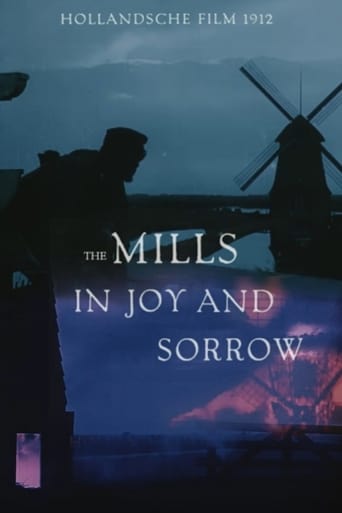
Titles linked here include The Mills in Joy and Sorrow (1912), Cursed Money (1912).
When was Maurice Mathieu born and when did he die?
Unfortunately, specific birth and death dates for Maurice Mathieu are not available in historical records, which is common for many actors from such an early period in cinema history.
What awards did Maurice Mathieu win?
There are no records of Maurice Mathieu receiving any awards or nominations, which is not unusual for actors working in 1912, as formal film award systems had not yet been established.
What was Maurice Mathieu's acting style?
As a silent film actor of 1912, Mathieu would have used the exaggerated physical gestures and facial expressions typical of the period, employing pantomime techniques to convey emotions without synchronized sound.