
Keys: Space play/pause · ←/→ 10s · F fullscreen · M mute · </> speed
Plot
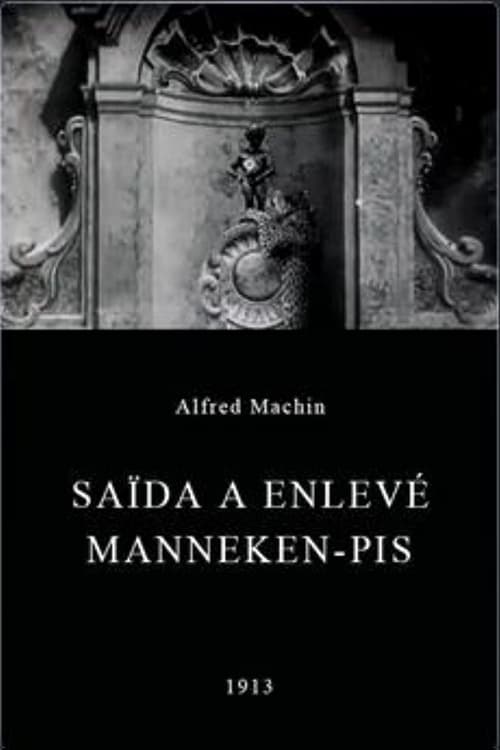
In this comedic short film, a mischievous cheetah named Saïda escapes from a traveling fair and creates chaos throughout the streets of Brussels. The wild animal, in a moment of playful mischief, manages to snatch Belgium's beloved national symbol - the Manneken Pis statue - from its pedestal. The theft sends the city into an uproar as citizens and authorities scramble to recover their cherished monument. The cheetah leads everyone on a wild chase through the city, carrying the iconic statue in its jaws while creating hilarious situations and misunderstandings along the way. The film culminates in a madcap pursuit that showcases early slapstick comedy and the cultural importance of the Manneken Pis to Belgian identity.
Director
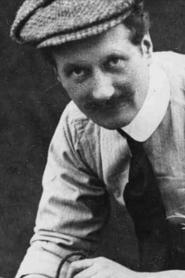 Alfred Machin
About the Production
Release Date 1913
Production Pathé Frères, Belge Cinéma
Filmed In Brussels, Belgium, Studio locations in Belgium
This film was part of Alfred Machin's series of comedic shorts featuring animals and local Belgian landmarks. The production involved training a live cheetah for the filming, which was quite unusual for the time. The filmmakers had to obtain special permission to film around the actual Manneken Pis statue in Brussels. The cheetah scenes were likely shot using a combination of real animal footage and careful editing to create the illusion of the theft.









Themes & Topics
Historical Background
1913 was a pivotal year in European cinema, occurring just before World War I would dramatically alter the film landscape. Belgium, though smaller than France or Germany, had developed a thriving film industry with pioneers like Alfred Machin leading the way. This period saw the transition from simple actualities to more complex narrative films. The film reflects the growing national pride in Belgium, which had gained independence only in 1830 and was still developing its cultural identity. The Manneken Pis, as a symbol of Belgian irreverence and humor, was an perfect subject for a comedy that celebrated local culture. The film was made during the golden age of silent comedy, when physical humor and visual gags were the primary tools for entertaining audiences across language barriers.
Why This Film Matters
This film holds significant cultural importance as one of the earliest cinematic representations of Belgian national symbols. The Manneken Pis statue, representing Belgian humor and irreverence, became an international icon partly through films like this one. The movie demonstrates how early cinema played a role in constructing and disseminating national identity, particularly for younger nations like Belgium. It also exemplifies the European tradition of using animals as comic protagonists, a trope that would continue throughout cinema history. The film's international distribution through Pathé helped establish Brussels and its landmarks in the global consciousness, contributing to early cultural tourism. Additionally, it represents the unique Belgian contribution to early comedy, which often blended slapstick with local color and cultural references.
Making Of
Alfred Machin, having established Belgium's first proper film studio in 1910, was passionate about creating films that celebrated Belgian culture and identity. The production of this short comedy involved considerable logistical challenges, particularly in working with a live cheetah. The animal had to be carefully trained and supervised during filming, with handlers just off-camera. The scenes featuring the actual Manneken Pis statue required special permits from Brussels city authorities, who were initially hesitant but eventually supportive of the project. The film was shot on location in Brussels, which was relatively uncommon for the period, as most productions of the era preferred controlled studio environments. Machin's background as a documentary filmmaker influenced his approach to capturing the authentic atmosphere of Brussels streets in the film.
What Critics Said
Contemporary reviews from 1913 praised the film for its clever premise and innovative use of animal actors. Critics of the time noted Machin's skill in combining comedy with local color, calling it 'a delightful romp through Brussels that showcases our beloved city with humor and affection.' Modern film historians recognize the short as an important example of early Belgian cinema and Machin's contribution to the development of narrative comedy. The film is particularly valued today for its documentation of early 20th-century Brussels and its role in preserving the cultural significance of the Manneken Pis. Cinema scholars often cite this film as an example of how national identity was constructed through early popular cinema.
Did You Know?
- This was one of the earliest films to feature the Manneken Pis statue, making it historically significant for Belgian cinema
- Director Alfred Machin was a pioneer of Belgian cinema who previously worked for Pathé and established Belgium's first film studio
- The cheetah in the film was reportedly trained by animal handlers from a traveling circus that was visiting Brussels at the time
- The film's original French title was 'Saïda enlève le Manneken-Pis'
- This film is considered lost for many years before a copy was discovered in a European film archive
- The Manneken Pis statue has been stolen multiple times throughout history, making this film's premise somewhat prophetic
- Alfred Machin was known for his innovative use of animals in his films, often using them as central characters in his comedies
- The film was part of a series of shorts Machin made celebrating Belgian culture and landmarks
- The cheetah's name 'Saïda' was likely chosen for its exotic sound, appealing to European audiences of the time
- This film was distributed internationally by Pathé, helping spread awareness of Belgian culture globally
More film details Visual style, music, quotes, restoration, and more
Visual Style
The cinematography for this 1913 production was typical of the era but showed Alfred Machin's documentary background in its clear framing of Brussels locations. The film employed static camera positions for most scenes, which was standard practice, but used innovative tracking shots during the chase sequences. The exterior scenes benefited from natural lighting, giving the film an authentic feel of Brussels streets. Machin's experience with actuality films is evident in the way he captured the city's architecture and atmosphere. The cinematography had to accommodate the unpredictable movements of the cheetah, requiring careful planning and multiple takes. The visual composition emphasized the contrast between the wild animal and the urban Belgian setting, creating a striking visual humor that was advanced for its time.
Innovations
While not technically revolutionary for its time, the film demonstrated several notable achievements for early Belgian cinema. The successful integration of a live wild animal into a narrative film was quite advanced for 1913. Machin's use of actual Brussels locations rather than studio sets was relatively uncommon and added authenticity. The film's editing, particularly during the chase sequences, showed a growing sophistication in cross-cutting between different characters' perspectives. The production also demonstrated early techniques in animal training for film purposes, which would become more common in later years. The film's preservation of Brussels cityscape in 1913 makes it technically valuable as a historical document.
Music
As a silent film from 1913, it would have been accompanied by live musical performance during theatrical screenings. The typical accompaniment would have been a pianist or small orchestra playing popular tunes of the era, with music chosen to match the on-screen action - faster, more frantic music during the chase sequences and lighter, comedic themes during the humorous moments. No original score was composed specifically for the film, as was common practice during this period. The music would have varied depending on the theater and the musicians available, with each venue potentially providing a different musical experience.
Famous Quotes
No recorded dialogue exists as this is a silent film, but intertitles likely included phrases about recovering the 'stolen national symbol' and the 'cheetah menace'
Memorable Scenes
- The opening sequence showing Saïda the cheetah escaping from the fair, the moment when the cheetah snatches the Manneken Pis statue from its pedestal, the chaotic chase through Brussels streets with citizens reacting in horror and amusement, the final confrontation where authorities attempt to recover the statue from the playful animal
What Audiences Thought
The film was reportedly very popular with Belgian audiences in 1913, who enjoyed seeing their capital city and national symbol featured in a comedy. The novelty of a cheetah running through Brussels streets with the Manneken Pis statue created considerable buzz and word-of-mouth promotion. International audiences, particularly in France where it was distributed by Pathé, found the exotic combination of African wildlife and European landmarks amusing. The film's visual comedy transcended language barriers, making it successful in various markets. Contemporary accounts suggest that audiences particularly enjoyed the chase sequences and the various mishaps that befell the characters trying to recover the statue.
Film Connections
Influenced By
- French comedy traditions of Pathé
- Early American slapstick comedy
- Machin's own documentary background
- European fairground and circus traditions
- Physical comedy traditions of vaudeville
This Film Influenced
- Later Belgian comedies featuring national landmarks
- Animal-centered comedy films of the 1920s
- European city-based comedies
- Films featuring the Manneken Pis in later decades
Film Restoration
The film was considered lost for many decades but a copy was discovered and preserved in the Cinémathèque Royale de Belgique (Royal Belgian Film Archive). The surviving print shows some deterioration typical of films from this era but remains largely intact. The film has been digitally restored and is occasionally screened at classic film festivals and special retrospectives of early Belgian cinema.
Where to Watch
- Available through the Cinémathèque Royale de Belgique archives for research purposes
- Occasionally screened at classic film festivals specializing in early cinema
- May be available through specialized film archives and museums
- Some European film institutes may have access for academic study