No Poster
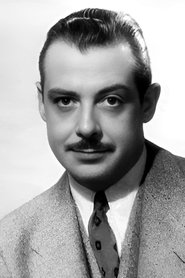
Fernand Gravey
Actor
Born: December 21, 1905 in Ixelles, Brussels, Belgium Died: November 2, 1970 Active: 1930-1970 Birth Name: Fernand Mertens
Films
2 films
About Fernand Gravey
Fernand Gravey, born Fernand Mertens, was a Belgian-French actor who became prominent leading men in European cinema from the 1930s through the 1960s. Born into a family of actors, he made his stage debut as a child and transitioned to film in the early 1930s, quickly establishing himself as a romantic leading man with his handsome appearance and sophisticated demeanor. Gravey gained international recognition through his work in both French and English-language films, including notable Hollywood productions where he was often billed as Fernand Gravet. During World War II, he continued acting in France under the German occupation, a decision that would later be scrutinized. After the war, he successfully revived his career and appeared in numerous prestigious productions, working with renowned directors like Jean Cocteau and Max Ophüls. His over four decades, during which he appeared in more than 80 films, establishing himself as versatile and enduring actors of his generation. Gravey was particularly known for his ability to transition seamlessly between comedy and drama, as well as his work in both French and international cinema.
The Craft
On Screen
Gravey was known for his sophisticated, debonair screen presence and versatile acting style that combined natural charm with technical precision. He excelled at portraying aristocratic and romantic characters, bringing a distinctive elegance to his performances whether in comedy or drama. His background in theater contributed to his polished delivery and ability to convey complex emotions with subtlety and restraint. Gravey was particularly adept at transitioning between light romantic comedies and more serious dramatic roles, adapting his style to suit both French and international film traditions.
Milestones
- Stage debut as child actor
- Film breakthrough in early 1930s French cinema
- Hollywood contract in late 1930s
- Starred in Cocteau's 'La Belle et la Bête' (1946)
- Successful post-war career revival
- Worked in both French and international productions
Best Known For
Iconic Roles
Must-See Films
Accolades
Won
- Best Actor Award at Venice Film Festival (1937)
Nominated
- Volpi Cup for Best Actor multiple nominations
Special Recognition
- Commander of the Order of Leopold (Belgium)
- Chevalier of the Legion of Honour (France)
Working Relationships
Worked Often With
Studios
Why They Matter
Impact on Culture
Fernand Gravey represented the transition from traditional theatrical acting to modern film performance in European cinema. His ability to work successfully in both French and international productions helped bridge the gap between continental European cinema and Hollywood during the golden age. His sophisticated persona and versatile acting style influenced the development of the European leading man archetype, combining continental charm with universal appeal. Gravey's career demonstrated the possibilities for European actors to achieve international recognition while maintaining their cultural identity.
Lasting Legacy
Gravey's legacy endures through his contributions to classic European cinema, particularly his role in bridging French and international film industries. He is remembered as. His work in Cocteau's 'La Belle et la Bête' remains particularly significant, representing. Gravey's career serves as an example of an actor who successfully navigated the complex political and cultural changes of mid-20th century Europe while maintaining artistic integrity and popular appeal.
Who They Inspired
Gravey influenced subsequent generations of European actors through his demonstration of how to maintain cultural identity while achieving international success. His sophisticated style and technical approach to acting served as a model for actors seeking to work across different film industries and languages. His ability to transition between theater and film, comedy and drama, and French and international productions provided a template for versatile acting careers in European cinema.
Off Screen
Gravey was married twice and had a reputation as a sophisticated, cosmopolitan figure in European cinema circles. His personal life was relatively private compared to his public career, though he was known to be a cultured individual with interests in literature and the arts beyond acting. He maintained homes in both France and Belgium throughout his life, reflecting his dual cultural heritage.
Education
Educated in Brussels, studied at the Royal Conservatory of Brussels for dramatic arts
Family
- Jane Renouardt (1936-1947)
- Dany Robin (1959-1970)
Did You Know?
- Often billed as 'Fernand Gravet' in English-language films
- Spoke fluent French, English, and Dutch
- Began acting at age 5 on stage with his father
- Turned down several Hollywood offers to remain in Europe
- Was a skilled amateur painter
- Served briefly in the Belgian army before focusing on acting
- Was considered for the lead in 'Casablanca' before Humphrey Bogart was cast
- His second wife Dany Robin was 23 years his junior
- Maintained dual Belgian-French citizenship throughout his life
- Was a close friend of fellow actor Jean Marais
In Their Own Words
Acting is not about becoming someone else, but about revealing different parts of yourself through different characters.
The cinema of Europe has a soul that Hollywood can never replicate - it's in our blood, our history, our very way of seeing the world.
To act in two languages is to have two souls, and each must be given equal respect and attention.
Frequently Asked Questions
Who was Fernand Gravey?
Prominent Belgian-French with credits in this catalog. He was known for his sophisticated screen presence and versatility in both French and English-language films, becoming one of the leading romantic actors of his generation.
What films is Fernand Gravey best known for?
Titles linked here include La Belle et la Bête (1946), The Little Café (1931).
When was Fernand Gravey born and when did he die?
Born December 21, 1905; died November 2, 1970.
What awards did Fernand Gravey win?
Gravey received the Best Actor Award at the Venice Film Festival in 1937 and was nominated multiple times for the Volpi Cup. He was also honored with the Commander of the Order of Leopold in Belgium and was named a Chevalier of the Legion of Honour in France for his contributions to cinema.
What was Fernand Gravey's acting style?
Gravey was known for his sophisticated, elegant acting style that combined theatrical precision with natural film performance. He excelled at portraying aristocratic and romantic characters with charm and subtlety, seamlessly transitioning between comedy and drama while maintaining his distinctive debonair screen presence.
Did Fernand Gravey work in Hollywood?
Yes, Gravey worked in Hollywood during the late 1930s under the name Fernand Gravet, signing with Paramount Pictures. He appeared in several English-language films but ultimately chose to focus primarily on European cinema, though he maintained an international profile throughout his career.
How did Fernand Gravey influence cinema?
Gravey influenced cinema by demonstrating how European actors could achieve international success while maintaining their cultural identity. His work bridged French and international film industries, and his sophisticated style helped define the European leading man archetype. His career provided a model for actors seeking to work across different languages and film industries.