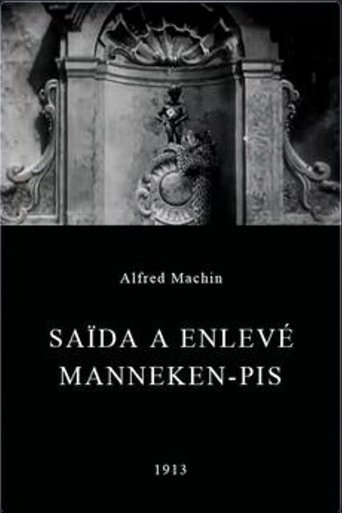

Films
1 film
About Arthur Devère
Arthur Devère is credited on a single production — Saïda Makes Off with the Manneken Pis (1913). His known filmography consists of at least one appearance in the 1913 Belgian production 'Saïda Makes Off with the Manneken Pis.' This film was part of the very early wave of Belgian cinema, which began developing in the 1910s alongside the broader European film industry. Devère's career appears to have been extremely brief, with only 1913 listed as his active period, suggesting he may have been a theatrical actor who dabbled in the new medium of cinema or someone who participated in only one or two film projects. The film he appeared in was likely a short comedy or drama, typical of the era's productions, and centered around the famous Manneken Pis statue in Brussels, indicating the film's distinctly Belgian cultural context. Very little documentation survives about actors from this early period of Belgian cinema, particularly those who had brief careers or appeared in only a handful of now-lost films.
The Craft
Milestones
- Appeared in 'Saïda Makes Off with the Manneken Pis' (1913)
Best Known For
Must-See Films
Why They Matter
Impact on Culture
Arthur Devère represents the early pioneers of Belgian cinema, a period that has been largely undocumented due to the loss of many early films and inadequate record-keeping. His appearance in a film featuring the Manneken Pis statue demonstrates how early Belgian filmmakers incorporated national cultural symbols into their work, establishing a tradition of Belgian cultural identity in cinema that would continue throughout the 20th century. Though his individual contribution was minimal, actors like Devère were part of the foundation that allowed Belgian cinema to develop its unique voice in European film culture.
Lasting Legacy
Arthur Devère's legacy is primarily as a representative of the largely forgotten early Belgian film actors of the 1910s. While his name may not be remembered, his participation in early Belgian cinema contributes to the broader understanding of how national film industries developed across Europe in the silent era. The film he appeared in, centered around one of Brussels' most iconic symbols, represents an early example of filmmakers using local cultural landmarks to create distinctly national cinema.
Who They Inspired
Given the extremely limited documentation of Arthur Devère's career and the brevity of his apparent film work, there is no evidence of direct influence on other actors or filmmakers. However, as part of the first generation of Belgian film actors, he contributed to the establishment of a native film acting tradition in Belgium during cinema's formative years.
Off Screen
Very little is known about Arthur Devère's personal life, which is common for actors from the very early silent film era, especially those from smaller national film industries like Belgium's. Many early film actors came from theatrical backgrounds and often used stage names, making biographical research particularly challenging.
Did You Know?
- The Manneken Pis featured in Devère's only known film is a famous 17th-century bronze sculpture in Brussels depicting a little boy urinating into a fountain
- 1913 was a pivotal year for Belgian cinema, occurring just before World War I would disrupt film production across Europe
- Many early Belgian films from this period have been lost, making surviving documentation about actors extremely rare
- Early Belgian cinema often incorporated local folklore and cultural symbols, as evidenced by the Manneken Pis film
- The film's title suggests it was likely a comedy, a popular genre in early cinema
- Belgian cinema in the 1910s was still in its infancy, with most productions being short films
- Actors from this era often came from theater backgrounds and used stage names, making biographical research challenging
Frequently Asked Questions
Who was Arthur Devère?
Screen credits include at least one film in 1913. He is known for his role in 'Saïda Makes Off with the Manneken Pis,' an early Belgian production that featured Brussels' famous statue.
What films is Arthur Devère best known for?
Titles linked here include Saïda Makes Off with the Manneken Pis (1913).
When was Arthur Devère born and when did he die?
Arthur Devère's birth and death dates are not documented in available historical records, which is common for actors from the very early days of cinema, particularly in smaller national film industries like Belgium's.
What awards did Arthur Devère win?
Arthur Devère did not receive any documented awards or honors. The film industry award system was not established during the brief period when he was active in 1913, particularly in the Belgian film industry.
What was Arthur Devère's acting style?
Arthur Devère's specific acting style is not documented. However, actors from the early 1910s typically used exaggerated gestures and expressions suitable for silent film, often drawing from theatrical training common in that era.
Why is so little known about Arthur Devère?
Very little is known about Arthur Devère because he was active during the very early days of Belgian cinema, a period when documentation was poor and many films have been lost. Early film actors, especially those with brief careers, were often poorly documented in historical records.