Georges Biscot
Actor
Born: June 20, 1889 in Paris, France Died: May 18, 1944 Active: 1915-1944 Birth Name: Georges Adolphe Bouchard
Films
5 films
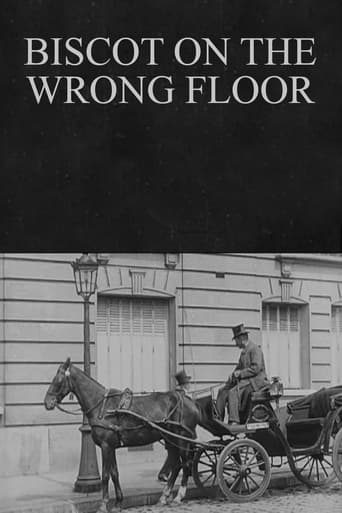
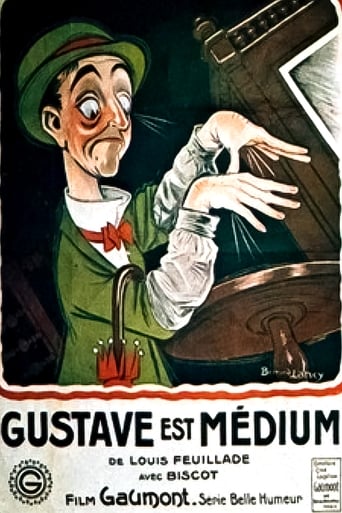
About Georges Biscot
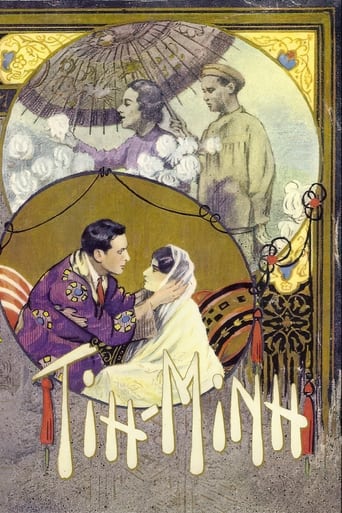
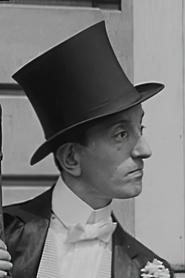
Georges Biscot began his career in entertainment as a music hall performer before transitioning to cinema in the 1910s. He gained significant popularity through his collaborations with director Louis Feuillade, particularly in the serial film 'Tih Minh' where he played a comedic role alongside Édouard Mathé and Musidora. His career peaked during the late 1910s and early 1920s when he appeared in numerous French silent films, often playing comic relief characters. Biscot's distinctive appearance, characterized by his small stature and expressive face, made him a recognizable figure in French cinema of the period. He continued acting through the transition to sound films, though his popularity waned as new stars emerged. His film from approximately 1915 until his death in 1944, during which he appeared in over 80 films. Biscot remains remembered as one of the notable character actors of French silent cinema, particularly for his work in Feuillade's serials.
The Craft
On Screen
Biscot was known for his physical comedy and expressive facial performances, typical of silent era actors. He often played comedic sidekick characters with exaggerated gestures and mannerisms that translated well to silent film. His small stature and distinctive appearance made him memorable in ensemble casts, and he developed a signature style of comic timing that resonated with French audiences of the period.
Milestones
- Breakthrough role in Louis Feuillade's serials
- Popular comic actor in French silent cinema
- Transition to sound films
- Over 80 film appearances during his career
Best Known For
Iconic Roles
Must-See Films
Working Relationships
Worked Often With
Studios
Why They Matter
Impact on Culture
Georges Biscot contributed to the golden age of French silent cinema through his work in Louis Feuillade's influential serial films. His comic performances helped establish the archetype of the sidekick character in French cinema, influencing subsequent generations of comic actors. Biscot's work in 'Tih Minh' and other serials demonstrated how comedy could be effectively integrated into dramatic narratives, a technique that would become standard in film production. His ability to transition from music hall performance to cinema represented the broader movement of stage performers into the new medium of film during the 1910s. Biscot's active years covered the crucial transitional period from silent to sound cinema, making him part of the generation that adapted to technological changes in the film industry.
Lasting Legacy
Georges Biscot is remembered today primarily by film historians and silent cinema enthusiasts as a representative figure of French popular cinema of the 1910s and 1920s. His performances in Louis Feuillade's serials remain significant examples of early French film comedy and are studied for their contribution to the development of cinematic comedy techniques. While not as internationally recognized as some of his contemporaries, Biscot's extensive filmography provides valuable documentation of French cinema's evolution during the silent era. His work continues to be preserved and screened at film archives and silent film festivals, where audiences appreciate his contribution to early French cinema. Biscot's career exemplifies the journey of many character actors of the period who were essential to the film industry but whose names have faded from popular memory.
Who They Inspired
Biscot influenced the development of comic character acting in French cinema, particularly in the context of serial films. His physical comedy style and timing set precedents for subsequent French comic actors who would work in similar character roles. The way he integrated comedy into dramatic narratives influenced how directors approached the balance between humor and suspense in serial films. His successful transition from music hall to cinema demonstrated viable career paths for entertainers during the early film period, encouraging other stage performers to enter the film industry.
Off Screen
Georges Biscot was born Georges Adolphe Bouchard in Paris, France. He married actress Fernande Albany, who was also his frequent co-star in films. The couple had one child together. Biscot maintained a relatively private personal life despite his public career, and little is documented about his family beyond his professional relationships. He continued working in films during the German occupation of France until his death in 1944.
Family
- Fernande Albany (married until his death)
Did You Know?
- Born Georges Adolphe Bouchard, he adopted the stage name Biscot early in his career
- His wife Fernande Albany was also his frequent co-star in films
- He began his entertainment career as a music hall performer before entering cinema
- Biscot appeared in over 80 films during his nearly 30-year career
- His small stature and distinctive features made him easily recognizable to audiences
- He worked primarily with director Louis Feuillade during his most productive period
- Biscot continued acting through the German occupation of France until his death
- Many of his films are now considered lost, a common fate for early cinema
- He was particularly popular with French audiences for his comic relief roles
- His performances in Feuillade's serials helped establish the comic sidekick archetype in French cinema
In Their Own Words
(No documented famous quotes found for Georges Biscot, which was common for character actors of the silent era)
Frequently Asked Questions
Who was Georges Biscot?
French with credits in this catalog. He appeared in over 80 films throughout his career and was a popular character actor in French cinema of the 1910s and 1920s.
What films is Georges Biscot best known for?
When was Georges Biscot born and when did he die?
Born June 20, 1889; died May 18, 1944.
What awards did Georges Biscot win?
There are no documented major awards or honors for Georges Biscot, which was common for character actors of his era. His recognition came primarily from his popularity with French audiences and his extensive body of work in French cinema.
What was Georges Biscot's acting style?
Biscot was known for his physical comedy and expressive facial performances typical of silent era actors. He specialized in playing comic sidekick characters with exaggerated gestures and mannerisms, using his small stature and distinctive appearance to create memorable characters in ensemble casts.