

No Poster
Judex
"Judex rises from ruin to punish the guilty"
Keys: Space play/pause · ←/→ 10s · F fullscreen · M mute · </> speed
About this film
When an unscrupulous banker ruins his family, a young man swears to bring him to justice, so he adopts a new identity, the mysterious Judex, and ominously disguised and sunk into the muddy path of vengeance, punishes the crooks and protects the innocents. (Originally a twelve-par
Cast & crew
More films like this
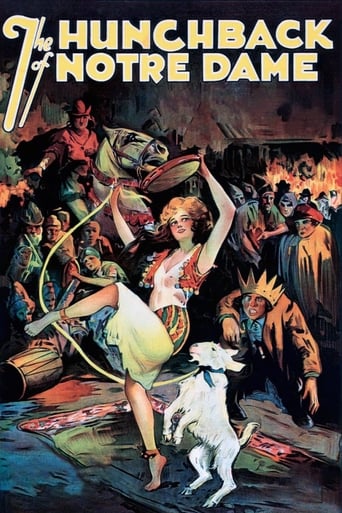
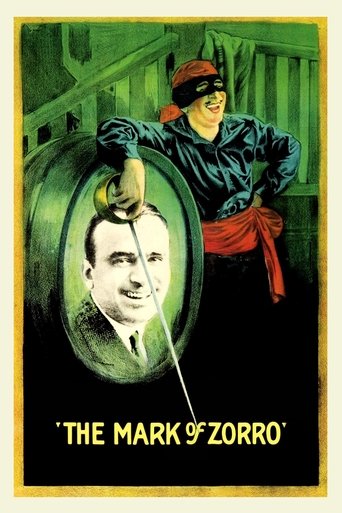

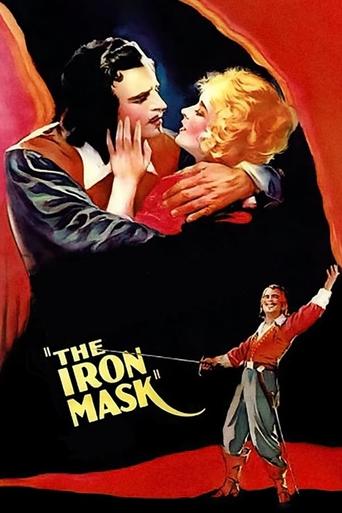
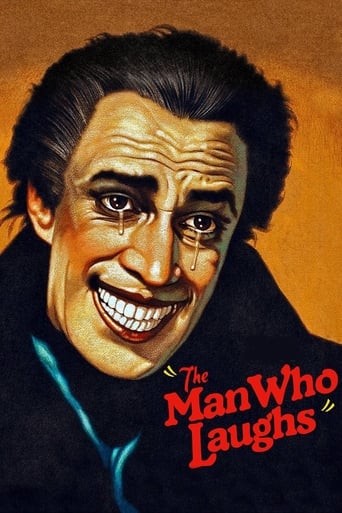
More Drama films
View all →







More from Louis Feuillade
View all →

More about this film
About the production
Release dateDecember 29, 1916 (first episode), with subsequent episodes released through 1917
BudgetExact figures not documented, but substantial for a 12-part serial during wartime, estimated to be one of Gaumont's most expensive productions of 1916
Box officeHighly successful across France and internationally, though exact box office figures from the silent era are not available; it was one of Gaumont's most profitable serials
ProductionGaumont
Filmed inParis, France, Saint-Cloud, France, Gaumont Studios in Paris
Filmed during World War I, which created significant production challenges including material shortages and crew members being called to military service. Director Louis Feuillade had to work around these constraints while maintaining his signature style. The serial was shot quickly but efficiently, with Feuillade often improvising scenes and using real locations to enhance authenticity. Musidora, who had previously starred in Feuillade's 'Les Vampires,' was pregnant during filming, which required careful scheduling of her scenes. The production utilized innovative techniques for the time, including complex editing for chase sequences and elaborate special effects for Judex's mysterious appearances and disappearances.
Themes
Vigilante justiceCorruption in high societyRevenge and redemptionThe duality of human natureClass conflict
Themes & topics
vigilantebankerkidnappingrevengedisguiseserial killermysterycrimejusticesecret identitycorruptionfamilyPariscliffhangercat and mouse
Historical background
Judex appeared in 1916, when the silent era before Hollywood consolidated into a studio system shaped how movies were financed, distributed, and discussed. Audiences of the day encountered the work amid shifting tastes in acting, pacing, and spectacle. Its focus on when an unscrupulous banker ruins his family, a young man swears to bring him to justice, so he adopts a new identity, the mysterious judex, and ominously disguised and sunk into the muddy path of vengeance, punishes the crooks and protects the innocents mirrors themes circulating in popular culture of that moment.
Why this film matters
Judex (1916) belongs to the wider archive of world cinema, documenting when an unscrupulous banker ruins his family, a. Archivists and historians value such titles for what they reveal about craft, genre, and audience expectations. Restorations and festival screenings keep the work visible to viewers far beyond its first run.
Making of
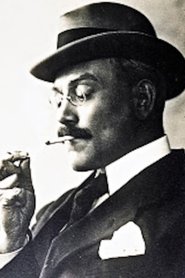
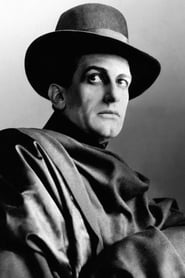
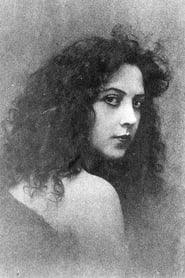
The production of Judex faced numerous challenges due to its timing during World War I. Many of Gaumont's technical staff and actors had been conscripted into military service, forcing Feuillade to work with a reduced crew and sometimes inexperienced personnel. Material shortages meant that sets had to be reused and modified between episodes, and film stock was rationed, requiring careful planning of each shot. Despite these constraints, Feuillade maintained his distinctive visual style, often using natural lighting and location shooting to create a sense of realism. The casting of René Cresté as Judex was particularly significant - Feuillade discovered him while he was recovering from war injuries and felt his haunted appearance perfectly suited the vengeful character. Musidora's involvement was crucial to the film's success; her performance as the seductive villainess Diana Monti created a compelling female antagonist who could match Judex in intelligence and ruthlessness. The serial's complex narrative structure, with its multiple subplots and recurring characters, required meticulous planning, and Feuillade often worked on several episodes simultaneously to maintain continuity.
What critics said
Press coverage from 1916 is fragmentary for many titles of this vintage; surviving notices for Judex tend to stress novelty, star power, or topical appeal. Later writing places the picture within its national and generic context, weighing both period conventions and moments that still land for modern viewers. Streaming and disc releases have revived discussion among classic-film audiences.
Did you know?
- The character of Judex was created as a heroic counterpoint to the criminal protagonists of Feuillade's earlier successful serial 'Les Vampires'
- René Cresté, who played Judex, was a former soldier who had been wounded in World War I before being cast in the title role
- Musidora, who played the villainess Diana Monti, was one of the first true sex symbols of cinema and was famous for her distinctive black bob haircut
- The serial was originally conceived as a response to public criticism that Feuillade's previous works glorified crime
- Judex's costume, including the distinctive cloak and hat, influenced later superhero designs, particularly Batman
- The film was shot on location in and around Paris, giving it an authentic atmosphere that contrasted with the more studio-bound productions of the era
- Feuillade wrote the entire screenplay himself, drawing inspiration from both contemporary crime stories and medieval tales of justice
- The serial was so popular that it spawned two sequels: 'La Nouvelle Mission de Judex' (1917-1918) and 'Judex versus Roosevelt' (1919)
- The character's name 'Judex' was deliberately chosen to be simple and memorable, similar to 'Fantômas' from Feuillade's earlier work
- Despite being made during wartime, the serial avoided direct references to the conflict, instead focusing on its crime and revenge narrative
Visual style
The cinematography of Judex, credited to Gaumont's team of cameramen including Léonce-Henri Burel, was innovative for its time. The film made extensive use of location shooting in and around Paris, creating a realistic atmosphere that contrasted with the more studio-bound productions of the era. The cinematographers employed natural lighting whenever possible, creating dramatic shadows that enhanced the mystery and suspense of the narrative. The camera work was remarkably mobile for the period, with tracking shots used during chase sequences and dynamic angles that heightened the dramatic impact of key scenes. The film also featured innovative special effects for Judex's appearances and disappearances, using techniques such as multiple exposures and careful editing to create the illusion of the character's supernatural abilities. The visual style emphasized contrast between light and shadow, prefiguring the film noir aesthetic that would emerge decades later. The cinematography also made effective use of Parisian architecture, with the city's buildings, bridges, and underground passages becoming integral elements of the storytelling. The serial's visual language was sophisticated and economical, conveying complex narrative information through carefully composed shots and visual motifs.
Innovations
Judex showcased several technical innovations that were ahead of their time. The serial featured complex editing techniques, particularly in its action sequences and chase scenes, which created a sense of movement and excitement that was rare in films of this period. The production made extensive use of location shooting, which was logistically challenging during wartime but resulted in greater visual authenticity. The film's special effects, while simple by modern standards, were innovative for 1916, including techniques for making Judex appear and disappear mysteriously. The serial also demonstrated advanced narrative techniques for its era, with its complex plotting across twelve episodes requiring careful continuity and sophisticated storytelling. The production design, particularly the creation of Judex's secret headquarters and various disguises, showed remarkable creativity within the constraints of wartime resources. The film's pacing and structure influenced the development of the serial format, with its balance of action, mystery, and character development setting a template for future serial productions. The technical achievements of Judex were particularly impressive given the constraints of wartime production, demonstrating the ingenuity of Feuillade and his crew.
Music
As a silent film, Judex was originally accompanied by live musical performance in theaters. The score would have varied by venue, with larger cinemas employing full orchestras while smaller theaters used pianists or small ensembles. The music was typically drawn from classical repertoire and popular songs of the era, with selections chosen to match the mood of each scene. Gaumont likely provided musical suggestions for exhibitors, as was common practice for major productions. In modern restorations, Judex has been accompanied by newly composed scores that attempt to capture the spirit of the original era while utilizing contemporary musical sensibilities. These modern scores often emphasize the film's suspenseful and dramatic elements, using leitmotifs for different characters and themes. The original musical experience would have included sound effects created by theater musicians and effects specialists, adding to the immersive quality of the serial. The absence of recorded dialogue meant that the visual storytelling had to be exceptionally clear, a challenge that Feuillade and his team met through careful staging and expressive performances.
Famous quotes
Je suis Judex, le justicier de l'ombre.
I am Judex, the avenger from the shadows.)
La justice est aveugle, mais elle a des bras.
Justice is blind, but it has arms.)
Quand la loi faillit, un autre jugement s'impose.
When the law fails, another judgment becomes necessary.)
Mon masque cache mon visage, mais pas ma conscience.
My mask hides my face, but not my conscience.)
Le crime paie toujours, mais avec des intérêts.
Crime always pays, but with interest.)
Memorable scenes
- Judex's first appearance at Favraux's party, where he dramatically appears from behind a curtain to deliver his judgment
- The elaborate kidnapping sequence where Judex's team abducts the banker from his heavily guarded estate
- Diana Monti's seductive dance at the masquerade ball, where she attempts to uncover Judex's identity
- The climactic reveal of Judex's secret headquarters beneath the Parisian streets
- The final confrontation where Judex removes his mask to reveal his true identity to Jacqueline
- The thrilling chase through the Paris catacombs, with Judex pursuing Diana Monti
- The scene where Judex uses his network of allies to simultaneously expose multiple corrupt officials
- The emotional reunion between Judex and his long-lost mother, revealing his tragic backstory
What audiences thought
Judex was enormously popular with audiences both in France and internationally. The serial created a sensation when it was released, with crowds gathering outside cinemas for each new episode. French audiences were particularly drawn to the character of Judex, seeing him as a hero who delivered justice in a time of social upheaval and war. The serial's success led to merchandise, including Judex masks and toys, demonstrating the character's cultural impact. International audiences also embraced the film, with successful releases in countries including the United States, Britain, and Italy. The serial's cliffhanger endings created anticipation for each subsequent episode, a technique that would become standard in serial storytelling. Audience reaction was so positive that Gaumont quickly commissioned sequels, recognizing the commercial potential of the character. The film's popularity endured long after its initial release, with revivals in theaters throughout the 1920s and later appreciation in film societies and archives. Modern audiences rediscovering Judex through restorations and screenings continue to be impressed by its sophisticated storytelling and visual inventiveness.
Film connections
Influenced by
- Les Vampires (1915) - Feuillade's own previous work
- Fantômas (1913-1914) - another Feuillade serial
- The Count of Monte Cristo by Alexandre Dumas
- Victor Hugo's Les Misérables
- Edgar Allan Poe's mystery stories
- Contemporary French crime fiction and newspapers
- Medieval tales of justice and chivalry
- Theatrical melodrama traditions
This film influenced
- The Batman comics and films
- The Shadow (1930s radio and film)
- Zorro films and series
- The Dark Knight (2008)
- V for Vendetta (2006)
- The Phantom (1996)
- The Spirit (2008)
- Watchmen (2009)
- The Punisher films
- Daredevil comics and series
Film restoration
Judex has been remarkably well-preserved for a film of its age. Most of the original twelve episodes survive in various archives, particularly at the Cinémathèque Française. The film has undergone several restorations, with the most comprehensive being a 1999 restoration by Gaumont and the Cinémathèque Française, which used elements from multiple sources to create the most complete version possible. Some minor gaps and damaged sections remain, but the narrative is essentially complete. The restoration work has preserved the film's visual quality and allowed modern audiences to experience Feuillade's masterwork as intended. The film is considered one of the best-preserved major works from the French silent era, thanks to its initial popularity and the efforts of film preservationists who recognized its historical importance early on.
Where to watch
- The Criterion Collection (Blu-ray/DVD)
- Kino Lorber (DVD/Blu-ray)
- Fandor (streaming)
- The Criterion Channel (streaming)
- MUBI (occasional streaming)
- Film Movement (DVD)
- Various public domain versions on YouTube and Internet Archive
- Film archives and cinematheques that periodically screen the restoration