Films
3 films
About Georges Flateau
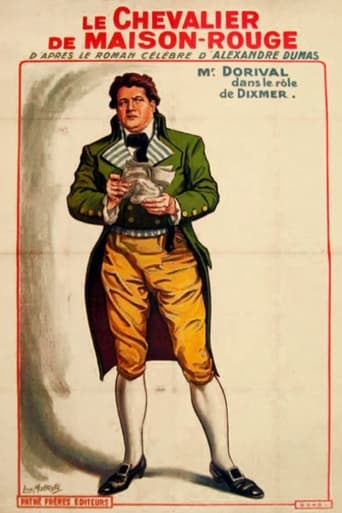
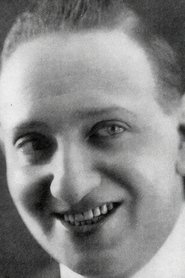
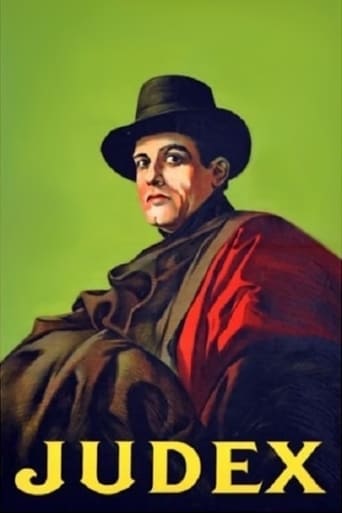
French actor who worked during the early silent film era, primarily in the mid-1910s. He gained recognition through his collaborations with French director Louis Feuillade, figures in early cinema. Flateau appeared in several of Feuillade's productions, including the acclaimed serial 'Judex' in 1916, which showcased the actor's ability to handle complex roles in the popular crime thriller format. His performance in 'The Reign of Terror' (1914) demonstrated his versatility in historical dramas, a genre that was particularly popular in French cinema of the period. Although his film career was relatively brief, spanning approximately from 1914 to 1916, Flateau contributed to the golden age of French silent cinema during a period when the French film industry was among the world's most innovative and influential. Like many actors of his generation, his career was likely impacted by the disruptions of World War I and the subsequent changes in the film industry. His work, while not extensively documented, represents an important part of early French cinematic history.
The Craft
On Screen
As a silent era actor, Georges Flateau would have employed the exaggerated gestures and facial expressions characteristic of the period, using physical performance to convey emotion and narrative in the absence of dialogue. His work in crime serials like 'Judex' suggests he was adept at the dramatic intensity required for thriller and mystery genres, which were popular in French cinema of the 1910s.
Milestones
- Appeared in Louis Feuillade's 'Judex' (1916)
- Performed in 'The Reign of Terror' (1914)
- Contributed to French silent cinema's golden age
- Worked during the innovative period of French film serials
Best Known For
Iconic Roles
Must-See Films
Working Relationships
Worked Often With
Studios
Why They Matter
Impact on Culture
Georges Flateau, while not a major star, contributed to the important body of work produced by the French silent film industry during its peak creative period. His participation in Louis Feuillade's productions places him within the context of one of cinema's most innovative early movements, which influenced crime and thriller genres globally. The French serials of the 1910s, in which actors like Flateau appeared, were precursors to modern television series and helped establish narrative techniques still used in contemporary cinema.
Lasting Legacy
Though his individual legacy is not widely documented, Georges Flateau's work survives as part of the broader legacy of French silent cinema and Louis Feuillade's influential filmography. His performances in films like 'Judex' are preserved as part of film history, representing the collaborative nature of early cinema production. The films he appeared in continue to be studied by film historians and screened at classic film festivals, ensuring that his contributions, however small, remain part of the cinematic canon.
Who They Inspired
As a supporting actor in the silent era, Georges Flateau's direct influence on subsequent generations of performers is difficult to trace. However, his work in the French serial format contributed to the development of genre filmmaking that would influence countless directors and actors in later decades. The techniques and storytelling methods used in productions like 'Judex' helped shape the language of cinema that continues to evolve today.
Off Screen
Very little is documented about Georges Flateau's personal life, which is common for supporting actors from the silent era who were not major stars. Historical records from this period, especially for French cinema, are often incomplete, particularly for actors who had brief careers or primarily worked in supporting roles.
Did You Know?
- Worked during the peak of French silent cinema's global influence
- Appeared in 'Judex', which was one of Louis Feuillade's most famous serials
- His career coincided with World War I, which dramatically affected European film production
- French cinema of his era was considered the most artistically advanced in the world
- Gaumont, where he likely worked, was one of the world's first and most important film companies
- Silent era actors often had to provide their own costumes and makeup
- Many French actors of his period also worked in theater
- Film actors in the 1910s were often credited simply by their surnames
- Early cinema actors frequently performed multiple roles in single productions
- The serial format he worked in was extremely popular and profitable for studios
Frequently Asked Questions
Who was Georges Flateau?
French actor who worked during the silent film era in the mid-1910s, best known for his collaborations with on YTB.my.
What films is Georges Flateau best known for?
Titles linked here include Judex (1916), The Reign of Terror (1914).
When was Georges Flateau active in films?
Georges Flateau's known film active years covered from approximately 1914 to 1916, placing him in the golden age of French silent cinema just before and during World War I.
What was Georges Flateau's connection to Louis Feuillade?
Georges Flateau worked with director Louis Feuillade,.
What style of acting did Georges Flateau use?
As a silent era actor, Georges Flateau would have used the exaggerated physical performance style typical of the period, relying on gestures and facial expressions to convey emotion in the absence of dialogue.