No Poster
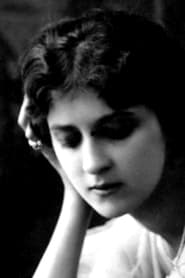
Yvette Andréyor
Actor
Born: August 6, 1891 in Paris, France Died: October 30, 1962 Active: 1911-1924 Birth Name: Yvette Andrée Louise Pauline Coppée
Films
4 films
About Yvette Andréyor
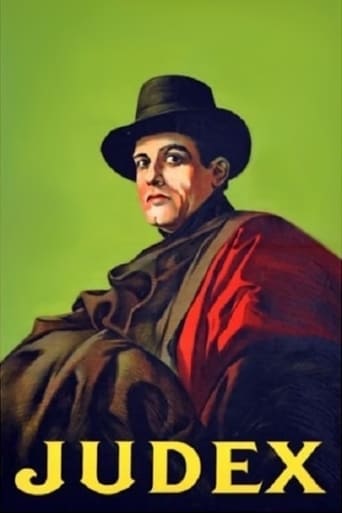
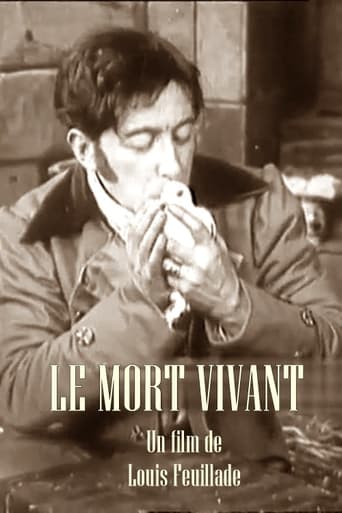
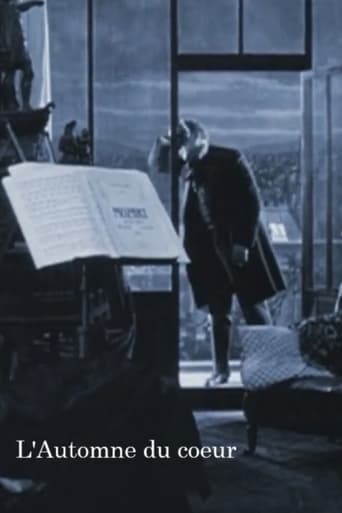
French actress of the silent film era, best known for her collaborations with visionary director Louis Feuillade at Gaumont studios. Born Yvette Andrée Louise Pauline Coppée in Paris in 1891, she began her film career in the early 1910s during the formative years of French cinema. Her breakthrough came with her role as the virtuous heroine in Feuillade's serial 'Judex' (1916), where she played Jacqueline Aubry, the innocent victim caught in a web of intrigue and revenge. Andréyor also appeared in other notable Feuillade productions including 'Les Vampires' (1915) and 'Le Fils de Locuste' (1911), establishing herself as recognizable faces of French serial cinema. Her performances were characterized by a naturalistic style that helped define the emerging language of cinematic acting, moving away from theatrical gestures toward more subtle, camera-conscious expressions. By the early 1920s, she had largely retired from film, though she made occasional appearances in supporting roles throughout the decade. Her legacy endures through her contributions to some of the most influential works of early French cinema, which continue to be studied and celebrated by film historians worldwide.
The Craft
On Screen
Andréyor's acting style was notably naturalistic for her era, characterized by subtle facial expressions and restrained gestures that were well-suited to the close-up shots increasingly used in cinema. Unlike many of her contemporaries who retained theatrical mannerisms, she developed a more intimate, camera-conscious approach that helped define the emerging language of film acting. Her performances often conveyed moral virtue and emotional depth through minimal means, making her particularly effective as the innocent heroine in serial narratives. She demonstrated remarkable range within the constraints of silent cinema, transitioning seamlessly from vulnerability to strength as her characters evolved through complex storylines.
Milestones
- Breakthrough role in Louis Feuillade's serial films at Gaumont
- Starred as Jacqueline Aubry in 'Judex' (1916),
- Appeared in 'Les Vampires' (1915), another landmark Feuillade serial
- Became
- Helped establish the archetype of the virtuous heroine in early cinema
Best Known For
Iconic Roles
Must-See Films
Accolades
Special Recognition
- Recognized as a figure in French cinema history
- Featured in retrospectives of early French film at international festivals
- Her films preserved and restored by the Cinémathèque Française
Working Relationships
Worked Often With
Studios
Why They Matter
Impact on Culture
Yvette Andréyor played a significant role in shaping the visual language of early cinema through her work in Louis Feuillade's influential serial films. Her portrayal of the virtuous heroine in 'Judex' helped establish enduring archetypes that would influence generations of filmmakers and actors working in adventure and mystery genres. The naturalistic quality of her performances contributed to the evolution of film acting away from theatrical traditions toward a more cinematic approach suited to the medium's unique capabilities. Her collaborations with Feuillade produced some of the most technically and narratively innovative works of the silent era, which continue to be studied by film scholars and referenced by contemporary directors. The preservation and restoration of her films have allowed new generations to appreciate the sophistication of early French cinema and the contributions of its performers.
Lasting Legacy
Yvette Andréyor's legacy endures through her contributions to some of the most important films of the silent era, particularly the serial works of Louis Feuillade that revolutionized cinematic storytelling. Her performances in 'Judex' and 'Les Vampires' represent some of the earliest examples of sustained character development across multiple film episodes, helping establish the template for modern television and film serials. Film historians recognize her as a key figure in the transition from theatrical to cinematic acting styles, with her naturalistic approach anticipating techniques that would become standard in later decades. Her work has been preserved and celebrated by institutions like the Cinémathèque Française, ensuring that future generations can study and appreciate the artistry of early French cinema. Though she retired from films before the sound era, her influence can be traced through the subsequent development of French cinema and the global film industry.
Who They Inspired
Andréyor influenced subsequent generations of actors through her naturalistic approach to film acting, demonstrating how subtlety and restraint could be more powerful than exaggerated theatrical gestures on screen. Her work in serial films helped establish narrative techniques and character archetypes that would become fundamental to cinema and television. Contemporary filmmakers continue to draw inspiration from the visual storytelling innovations of the Feuillade films in which she starred. Her example showed that women could be central figures in cinematic narratives, not merely decorative objects or supporting characters. The preservation of her films has allowed modern actors and directors to study the evolution of performance styles in cinema, with her work serving as an important reference point in understanding the development of film acting as a distinct art form.
Off Screen
Yvette Andréyor led a relatively private life away from the spotlight of early cinema fame. Born into a middle-class Parisian family, she entered the film industry during its infancy when acting was still considered a questionable profession for respectable women. She married and had children, though details about her family life remain scarce in historical records. After retiring from films in the 1920s, she largely disappeared from public view, focusing on her family life away from the burgeoning celebrity culture of cinema. She lived in Paris for the remainder of her life, witnessing the dramatic evolution of the film industry she had helped establish in its earliest days.
Education
Educational background not well documented; likely received standard education for French women of her class in the early 1900s
Family
- Unknown (marriage details not well documented)
Did You Know?
- Her real name was Yvette Andrée Louise Pauline Coppée, taking the stage name 'Andréyor' for her film career
- She worked primarily with Gaumont studios, the dominant French film company of the early 1910s
- Her most famous role in 'Judex' was originally intended for another actress, but director Louis Feuillade cast her after being impressed by her screen presence
- She appeared in over 30 films during her career, though many have been lost to time
- Unlike many silent film stars, she successfully transitioned away from acting before the advent of sound, avoiding the career difficulties that plagued many of her contemporaries
- Her films were among the first to be preserved and restored by French film archives, recognizing their historical importance
- She worked during a period when French cinema dominated the global film market before being overtaken by Hollywood
- The serial format of many of her films influenced the development of later television series and film franchises
- Her naturalistic acting style was considered revolutionary at a time when most performers retained theatrical mannerisms
- She retired from films relatively young, spending the latter half of her life away from the entertainment industry
In Their Own Words
No documented quotes from Yvette Andréyor are available in historical records, as was common for actors of the silent era who rarely gave interviews or made public statements
Frequently Asked Questions
Who was Yvette Andréyor?
French actress from the silent film era, best known for her collaborations with on YTB.my. She achieved fame through her roles in influential serial films like 'Judex' (1916) and 'Les Vampires' (1915), establishing herself as.
What films is Yvette Andréyor best known for?
Titles linked here include Judex (1916), Les Vampires (1915).
When was Yvette Andréyor born and when did she die?
Born August 6, 1891; died October 30, 1962.
What awards did Yvette Andréyor win?
Yvette Andréyor did not receive formal awards during her career, as the film industry's award systems were not yet established during her active years. However, she has been posthumously recognized by film historians and preservation institutions for her contributions to early cinema, with her films preserved and restored by organizations like the Cinémathèque Française.
What was Yvette Andréyor's acting style?
Andréyor's acting style was notably naturalistic for her era, characterized by subtle expressions and restrained gestures that suited the emerging cinematic medium. She moved away from theatrical traditions toward a more camera-conscious approach, helping define the language of film acting with performances that conveyed emotion through minimal means, making her particularly effective as the virtuous heroine in serial narratives.