René Cresté
Actor
Born: December 5, 1881 in Paris, France Died: November 30, 1922 Active: 1913-1922 Birth Name: René Auguste Cresté
Films
4 films
About René Cresté
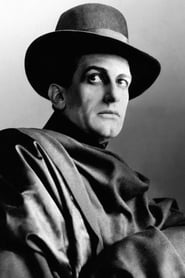
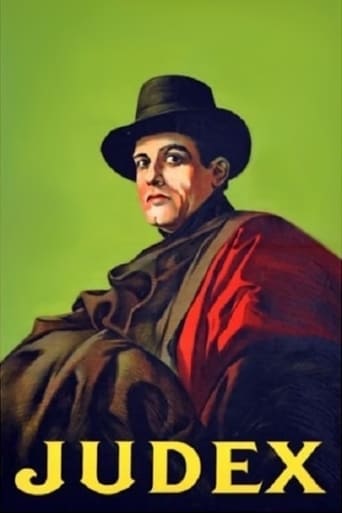
French silent film actor who achieved international fame for his portrayal of the mysterious vigilante Judex in Louis Feuillade's 1916 serial film. His career, though brief, was highly influential during the golden age of French cinema, spanning primarily from 1916 to 1919. Beyond his role as Judex, Cresté appeared in several other notable Feuillade productions including Tih Minh (1918) and Vendémiaire (1919), often cast as heroic or enigmatic characters. His performance as Judex was particularly significant as it represented a deliberate counterpoint to the criminal protagonists that dominated Feuillade's earlier works like Fantômas, introducing a moral hero to French cinema. Cresté worked primarily with Gaumont studios and became recognizable faces in French cinema during the World War I period. His career was tragically cut short by his death from tuberculosis at age 40, but his contribution to establishing the masked vigilante archetype in cinema remains historically significant and influenced countless later superhero and action characters.
The Craft
On Screen
Cresté was known for his dramatic and expressive acting style typical of the silent era, characterized by intense gazes, deliberate gestures, and strong physical presence. He excelled at portraying mysterious and morally ambiguous characters, using his tall, imposing frame and piercing eyes to create an aura of enigma. His performance as Judex was particularly notable for its restraint compared to the more theatrical acting common in the period, relying on subtle expressions and controlled movements to convey the character's complexity. Cresté had a natural ability to switch between heroic intensity and quiet contemplation, making him perfectly suited for the dual nature of characters like Judex who operated both in high society and the criminal underworld.
Milestones
- Breakthrough role as Judex in Louis Feuillade's 1916 serial
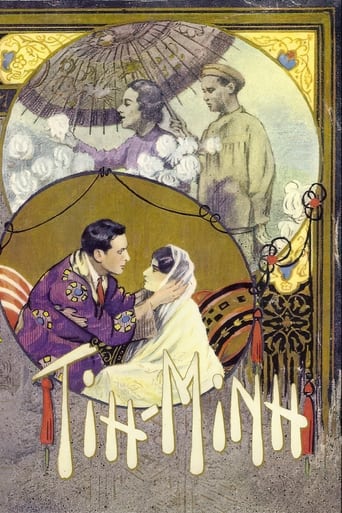
- Starred in Tih Minh (1918), another major Feuillade production
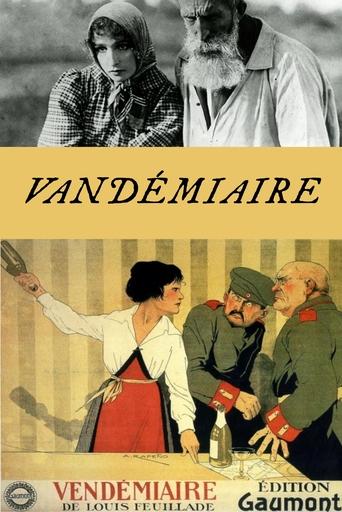
- Appeared in Vendémiaire (1919)
- Became Gaumont studio's leading male actor during WWI period
- Established the masked vigilante archetype in cinema
Best Known For
Iconic Roles
Must-See Films
Accolades
Special Recognition
- Recognized as a pioneer of the masked vigilante genre
- Honored in French cinema history retrospectives
- Featured in silent film festivals worldwide
Working Relationships
Worked Often With
Studios
Why They Matter
Impact on Culture
René Cresté's portrayal of Judex had a profound impact on popular culture and cinema, establishing the template for the masked vigilante hero that would later influence countless characters from Zorro to Batman. His Judex character represented a significant shift in French cinema from glorifying criminals to celebrating moral heroes, reflecting changing social values during and after World War I. The character's dual identity as both wealthy aristocrat and masked avenger created a narrative archetype that would become central to the superhero genre. Cresté's performance demonstrated the potential for complex, morally ambiguous protagonists in popular cinema, influencing how heroes would be portrayed in subsequent decades. The international success of Judex helped establish French cinema's reputation for sophisticated serial filmmaking and innovative storytelling techniques.
Lasting Legacy
René Cresté's legacy endures primarily through his iconic portrayal of Judex, a character that has been referenced, remade, and paid homage to throughout cinema history. Though his career was tragically short, his impact on the development of the action hero and vigilante genres cannot be overstated. Film historians recognize Cresté as a crucial figure in the transition from the criminal protagonists of early French serials to the moral heroes that would dominate popular cinema. His work with Louis Feuillade represents some of the most innovative and influential filmmaking of the silent era, with Judex serials still studied by film scholars today. Cresté's contribution to establishing the visual language and narrative conventions of masked heroes continues to influence contemporary cinema, with direct descendants of his Judex character appearing in various forms across global popular culture.
Who They Inspired
Cresté's portrayal of Judex directly influenced the creation of later masked vigilante characters including Zorro, The Shadow, and ultimately Batman. His performance style influenced how actors approached dual roles and secret identity characters in cinema. The visual aesthetic of Judex, including the distinctive black costume and mask, established design conventions that would become standard for superhero costumes. Directors and writers studying Feuillade's work with Cresté have drawn inspiration for their own vigilante narratives. The character's moral complexity and the themes of justice versus law that Cresté embodied continue to resonate in modern action and superhero films. His work demonstrated the commercial and artistic potential of serialized storytelling with recurring heroic characters, paving the way for modern cinematic universes.
Off Screen
René Cresté married actress Jeanne Le Bailly in 1914, and the couple had one daughter named Renée. His marriage to Le Bailly was both personal and professional, as they occasionally appeared together in films. Cresté was known as a dedicated family man who balanced his rising fame with his domestic responsibilities. His life was marked by the challenges of World War I, during which he continued making films that provided escapism for French audiences. His final years were marked by declining health due to tuberculosis, which ultimately claimed his life at the relatively young age of 40.
Education
Limited formal education, likely received training in theater and dramatic arts before entering films
Family
- Jeanne Le Bailly (1914-1922)
Did You Know?
- Judex was created as a response to criticism that Louis Feuillade's earlier films glorified criminals
- Cresté's Judex costume included a black cloak and slouch hat that became iconic visual elements
- The character's name 'Judex' is Latin for 'judge', reflecting his role as a vigilante justice-seeker
- Cresté performed many of his own stunts in the Judex films, impressive for the period
- The Judex serials were originally 12 episodes, each about an hour long
- Despite his French heritage, Cresté's films found international success, including in the United States
- His death from tuberculosis was common among actors of the era who worked in poorly ventilated studios
- Cresté was reportedly a humble actor who never let his fame affect his personality
- The Judex character has been remade multiple times, most notably by Georges Franju in 1963
- Cresté's daughter Renée briefly attempted to follow in her father's footsteps as an actress
In Their Own Words
As Judex: 'I am the shadow that punishes when the law fails to act'
On his craft: 'In silence, the eyes must speak what the voice cannot'
Regarding Judex: 'He is not a criminal, but justice itself in disguise'
About working with Feuillade: 'The director saw in me what I could not see in myself'
Frequently Asked Questions
Who was René Cresté?
French silent film with credits in this catalog. He was a prominent actor during World War I era French cinema, working primarily with Gaumont studios before his untimely death at age 40.
When was René Cresté born and when did he die?
Born December 5, 1881; died November 30, 1922.
What awards did René Cresté win?
René Cresté did not receive formal awards during his lifetime, as the award systems we know today were not established in the early film era. However, he is posthumously recognized as a figure in cinema history for establishing the masked vigilante genre.
What was René Cresté's acting style?
Cresté was known for his dramatic yet restrained acting style, characterized by intense gazes and controlled movements that suited the mysterious characters he portrayed. His performance as Judex was particularly noted for its subtlety compared to the more theatrical acting common in silent films, using physical presence and expression to convey complex emotions.
How did René Cresté influence later cinema?
Cresté's portrayal of Judex directly influenced the creation of later masked vigilante characters including Zorro and Batman. The character's dual identity, moral complexity, and visual aesthetic established conventions that would become standard for the superhero genre throughout cinema history.
Did René Cresté work with other famous actors?
Yes, Cresté frequently collaborated with notable French actors of the silent era including Musidora (famous from Les Vampires), Yvette Andréyor, and Georges Melchior. His most important collaboration was with director Louis Feuillade, who created the Judex character specifically for Cresté.