Films
8 films
About Louis Leubas
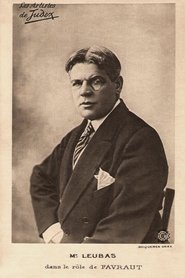
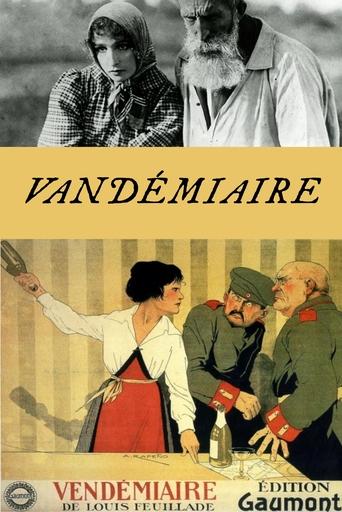
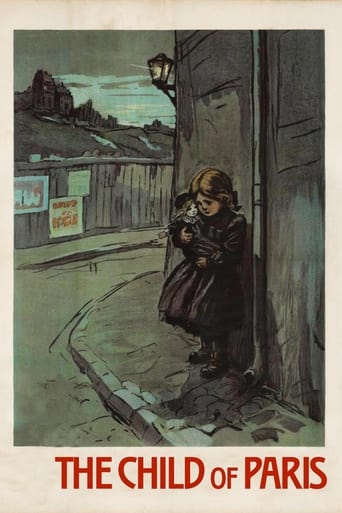
Prominent French actor during the golden age of silent cinema, primarily active in the 1910s. He began his film career in 1912 with a role in 'The Mystery of the Rocks of Kador,' quickly establishing himself as a versatile character actor in the burgeoning French film industry. Leubas became a frequent collaborator with director Louis Feuillade, appearing in several of his most celebrated serials including the 'The Vampires' (1915), where he played various roles throughout the series. His work extended to other notable productions like 'The Child of Paris' (1913) and 'Tih Minh' (1918), demonstrating his range across different genres from crime dramas to adventure films. Leubas was part of the generation of actors who helped establish the language of cinema during its formative years, contributing to the development of serial storytelling and character archetypes that would influence cinema for decades. His career appears to have concluded around 1919 with his appearance in 'Vendémiaire,' coinciding with the end of World War I and the transition period in European cinema.
The Craft
On Screen
Leubas embodied the theatrical yet expressive acting style typical of the silent era, using exaggerated gestures and facial expressions to convey emotion and character motivation. His performances were characterized by a strong physical presence and the ability to transform himself across multiple roles within the same film series. As a character actor, he specialized in playing authority figures, villains, and supporting characters who drove the narrative forward through their actions and reactions.
Milestones
- Breakthrough role in 'The Mystery of the Rocks of Kador' (1912)
- Key supporting roles in Louis Feuillade's serials
- Multiple character appearances in 'The Vampires' (1915)
- International recognition through 'Tih Minh' (1918)
- Final notable performance in 'Vendémiaire' (1919)
Best Known For
Iconic Roles
Must-See Films
Working Relationships
Worked Often With
Studios
Why They Matter
Impact on Culture
Louis Leubas contributed to the development of the serial film format that became enormously popular in the 1910s and influenced later cinema and television. Through his work in 'The Vampires' and other Louis Feuillade productions, he helped establish visual storytelling techniques and character archetypes that would influence crime films and noir cinema for decades. His performances represent the transition from theatrical acting styles to more naturalistic cinema acting that would emerge in the 1920s.
Lasting Legacy
Though not as remembered as leading stars of his era, Louis Leubas represents the essential character actors who formed the backbone of early cinema. His work in foundational French serials has been preserved and studied by film historians as examples of early narrative cinema techniques. The films he appeared in, particularly 'The Vampires,' are now considered classics of world cinema and continue to influence contemporary filmmakers with their innovative storytelling and visual style.
Who They Inspired
Leubas's work as part of Louis Feuillade's stock company helped establish the template for ensemble acting in serial storytelling. His ability to play multiple roles within a single series influenced later approaches to character acting in television and film serials. The visual techniques and narrative structures he participated in developing would later influence filmmakers ranging from Fritz Lang to Alfred Hitchcock and modern directors like Olivier Assayas.
Off Screen
Very little documented information exists about Louis Leubas's personal life, which was typical for many character actors of the silent era who worked primarily behind the scenes of the star system. His career was concentrated during a tumultuous period in French history, encompassing World War I, which likely impacted both his personal and professional life.
Did You Know?
- Worked primarily with the Gaumont Film Company, one of France's oldest film studios
- Appeared in multiple roles within 'The Vampires' serial, a common practice for character actors of the era
- His active years covered the crucial transition period from early shorts to feature-length films
- Worked during World War I, when French cinema faced significant production challenges
- Participated in the golden age of French serial films, which were internationally successful
- His films are now preserved and studied as important examples of early narrative cinema
- Collaborated with Louis Feuillade during the director's most creative period
- The Vampires series he appeared in was later restored and distributed by Criterion Collection
- His work represents the important but often overlooked contribution of character actors to early cinema
- Appeared in films that pioneered techniques like location shooting and complex narrative structures
Frequently Asked Questions
Who was Louis Leubas?
French silent film with credits in this catalog.' He was a character actor who appeared in several important French productions during the golden age of silent cinema.
What films is Louis Leubas best known for?
Titles linked here include The Mystery of the Rocks of Kador (1912), The Vampires (1915).
When was Louis Leubas born and when did he die?
Born 1874; died Unknown.
What awards did Louis Leubas win?
Louis Leubas worked during an era before formal film awards were established, so he received no official awards or nominations during his career. His recognition comes from the historical importance of the films he appeared in and their continued study by film scholars.
What was Louis Leubas's acting style?
Leubas employed the theatrical yet expressive acting style typical of the silent era, using exaggerated gestures and facial expressions to convey emotion. He was known for his versatility in playing multiple character types and his ability to transform himself across different roles within the same film series.
Who did Louis Leubas frequently collaborate with?
Leubas — frequent collaborator with director Louis Feuillade, working on several of his most important serials. He also worked alongside other notable French actors of the era including Musidora, Édouard Mathé, and René Navarre as part of the Gaumont studio's stock company.