
Jimmy Pulls The Trigger
"A short from Feuillade's Bébé series"
Keys: Space play/pause · ←/→ 10s · F fullscreen · M mute · </> speed
About this film
A short from Feuillade's Bébé series.
Cast & crew
More films like this
More from Louis Feuillade
View all →

More about this film
About the production
Release date1911 (exact month unknown, likely released in the latter half of the year)
Box officeUnknown - commercial success was measured by rental fees to theaters rather than box office in this era
ProductionSociété des Établissements L. Gaumont
Filmed inParis, France (likely at Gaumont studios in Buttes-Chaumont)
This film was part of the highly successful Bébé series that ran from 1910-1913, with over 50 short films produced. The series was shot quickly on studio sets with minimal scripting, allowing for natural performances from the child actors. The production used the Gaumont Chronophone synchronization system for sound accompaniment in some theaters.
Themes
Childhood innocenceParent-child relationshipsThe dangers of weaponsClass and family dynamicsThe nature of play
Themes & topics
Historical background
Jimmy Pulls The Trigger (1911) emerged during the silent-film era. A short from Feuillade's Bébé series Archival records and catalog entries help place the work within film-history surveys of the period.
Why this film matters
Preserved under Wikidata ID Q2929641, Jimmy Pulls The Trigger is valued as a screen drama within catalog and archive collections. Contemporary listings connect it to broader histories of cinema exhibition and restoration.
Making of
Louis Feuillade was known for his ability to work with child actors, creating an environment where they could behave naturally rather than following strict choreography. The Bébé films were typically shot in one or two days with minimal rehearsal. René Dary's mother was often on set during filming. The series was produced rapidly to meet demand, with new Bébé films being released almost weekly during peak periods. The toy gun prop was carefully designed to look realistic on camera while being completely harmless, using clever camera angles and editing to create the illusion of danger.
What critics said
Trade and archival sources offer limited day-one review coverage for Jimmy Pulls The Trigger. Modern reception rests on its availability in collections, repertory screenings, and reference works that document 1911 cinema.
Did you know?
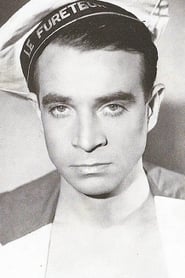
- René Dary, who played Bébé, was one of the first child stars in cinema history and continued acting into the 1980s
- The Bébé series was so popular that it spawned international imitations, including American versions
- Louis Feuillade directed over 600 films in his career, making him especially prolific directors ever
- The series was distributed internationally and helped establish Gaumont as a major film company
- Bébé films were known for their naturalistic approach to child performance, unusual for the period
- The toy gun theme was controversial even in 1911, with some critics questioning whether it encouraged dangerous play
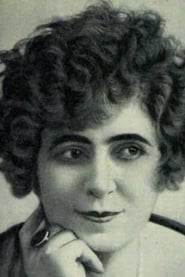
- Renée Carl, who played Bébé's mother, was a regular in Feuillade's films and later became a prominent character actress
- The film was likely shot on 35mm film with Gaumont's own camera equipment
- Bébé films were often shown as part of variety programs alongside newsreels and other short subjects
- The series helped establish the 'child mischief' comedy genre that would later be perfected by performers like Jackie Coogan and the Our Gang series
Visual style
The film was likely shot by one of Gaumont's staff cinematographers using hand-cranked 35mm cameras. The visual style follows the typical conventions of 1911 French cinema with static camera positions and medium shots that capture the full action. The lighting was naturalistic, using studio skylights when available. The composition emphasized clarity to ensure the audience could follow the physical comedy, a technique that would influence slapstick filmmaking for decades.
Innovations
While not technically innovative, the film demonstrated Gaumont's efficient production methods and Feuillade's mastery of the short format. The series was notable for its consistent quality despite rapid production schedules. The use of real child actors rather than adults in children's roles was relatively progressive for the period. The editing techniques, while simple, effectively built comic tension around the gun prop, showing sophisticated understanding of pacing for comedy.
Music
As a silent film, 'Jimmy Pulls The Trigger' would have been accompanied by live music in theaters. For Gaumont productions, this often meant piano accompaniment using suggested musical cues provided by the studio. Some theaters equipped with Gaumont's Chronophone system may have used synchronized sound discs, though this was rare for comedy shorts. The music would have been light and playful, matching the on-screen action with popular tunes of the period.
Famous quotes
(Silent film - no dialogue, but intertitles may have included lines like 'Bébé plays with danger!' or 'Mother saves the day!')
Memorable scenes
- The climactic moment when Bébé points the gun at his mother, creating maximum tension before the comic reveal that it's only a toy
What audiences thought
The Bébé films were enormously popular with audiences of all social classes across France and internationally. Children identified with Bébé's mischief, while adults appreciated the gentle humor and family values. The series was particularly successful in working-class neighborhoods where Bébé's rebellious spirit resonated. Theater owners regularly requested new Bébé films due to their reliable draw at the box office. The character became so recognizable that René Dary was often mobbed by fans in public, making him one of cinema's first true child celebrities.
Film connections
Influenced by
- Comédie-Française theatrical traditions
- Georges Méliès' fantasy films
- Early French comedy shorts
- Vaudeville performance styles
This film influenced
- The Our Gang comedies
- The Little Rascals series
- Jackie Coogan films
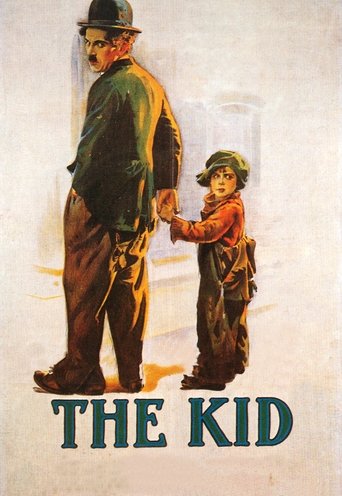
- The Kid (1921)
- Family comedy shorts of the 1920s
Film restoration
The preservation status of this specific film is unclear. Many films from the Bébé series have survived in archives, particularly at the Cinémathèque Française, but individual titles may be lost or exist only in fragmentary form. Gaumont maintained better archives than many contemporary studios, increasing the likelihood of survival.
Where to watch
- Potentially available through film archives like the Cinémathèque Française
- May be included in Gaumont or French cinema compilations
- Possible availability through specialized classic film streaming services
- Academic film libraries and archives