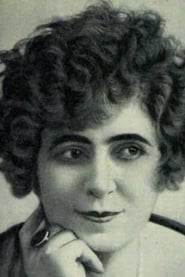
Renée Carl
Actor
Born: June 10, 1875 in Fontenay-aux-Roses, France Died: July 31, 1954 Active: 1907-1926 Birth Name: Renée Augustine Eugénie Carl
Films
15 films
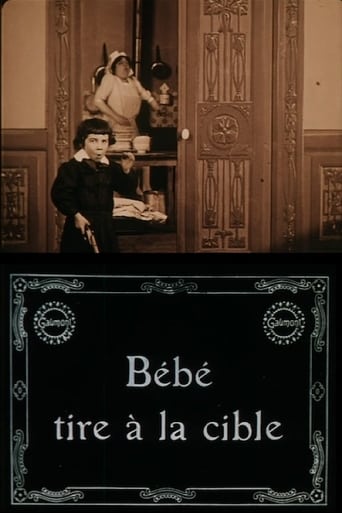
Jimmy Pulls The Trigger
1911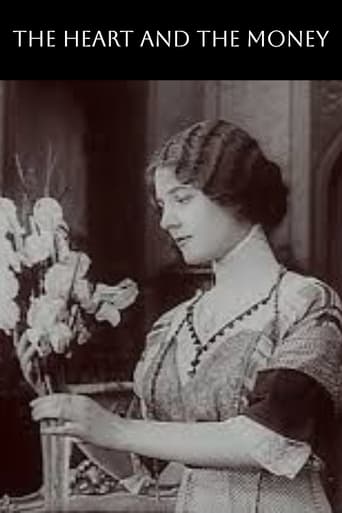
The Heart and the Money
1912No Poster
Le Fils de Locuste
1911
The Obsession
1912
The Living Dead
1912No Poster
Bout de Zan Steals an Elephant
1913
The Dwarf
1912
L'Intruse
1913
The Agony of Byzantium
1913
A Very Fine Lady
1908
The Nativity
1910
Custody of the Child
1909
The Trust, or The Battles for Money
1911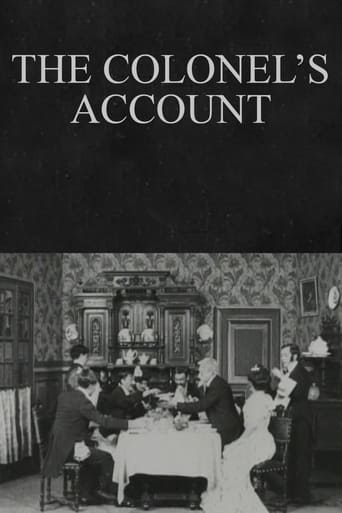
The Colonel's Account
1907About Renée Carl
French actress of the silent film era who rose to prominence as one of the earliest film stars at Gaumont studios. Born Renée Augustine Eugénie Carl in 1875, she began her career in the theater before transitioning to the nascent medium of cinema in the early 1900s. She became a favorite collaborator of director Louis Feuillade, appearing in numerous of his films from 1907 through the 1910s. Carl was known for her versatility, playing both dramatic and comic roles, and she often portrayed strong maternal figures or elegant society women. Her most productive period was between 1909 and 1914, during which she appeared in dozens of short films that helped establish the language of cinema. As one of the first recognizable film personalities, she contributed to the development of film acting techniques during the transition from stage performance to screen-specific acting. After World War I, her film appearances became less frequent as the industry evolved and new stars emerged, but she remained a respected figure in French cinema history until her death in 1954.
The Craft
On Screen
Renée Carl developed a distinctive acting style that bridged theatrical traditions with the emerging demands of cinema. Unlike many of her contemporaries who relied heavily on exaggerated gestures, Carl pioneered a more subtle, naturalistic approach that was better suited to the camera's intimate perspective. Her performances were characterized by expressive facial work and restrained gestures, allowing her to convey complex emotions through subtle changes in expression rather than broad physical movements. This technique was particularly effective in the close-ups that were becoming more common in French cinema during her era. Carl was especially adept at portraying maternal warmth and dignity, bringing a sense of authenticity to her roles that resonated with audiences of the time.
Milestones
- First major film role at Gaumont in 1907
- Became Louis Feuillade's preferred leading actress
- Starred in over 100 short films during Gaumont's golden age
- Pioneered naturalistic acting techniques in early cinema
- Transitioned successfully from theatrical to film acting
- Mentored younger actresses at Gaumont studios
Best Known For
Iconic Roles
Must-See Films
Accolades
Special Recognition
- Recognized as a pioneer of French cinema
- Honored in French film retrospectives for her contributions to early cinema
Working Relationships
Worked Often With
Studios
Why They Matter
Impact on Culture
Renée Carl played a significant role in establishing the language of film acting during cinema's formative years. As one of the first true film stars in France, she helped demonstrate that cinema could be a serious artistic medium capable of conveying nuanced emotions and complex characters. Her naturalistic acting style influenced an entire generation of French actors and contributed to the development of a distinctly European approach to screen performance that differed from the more theatrical styles common in early American cinema. Carl's work with Louis Feuillade helped establish Gaumont as a major force in international cinema, and her films were widely distributed and studied by early filmmakers worldwide. Her success as a mature actress also challenged the emerging industry's youth obsession, proving that actresses could maintain leading roles well into middle age.
Lasting Legacy
Renée Carl's legacy endures as proof of the artistry of early cinema and the pioneers who shaped film acting. Her extensive filmography, though largely consisting of short films that are now difficult to access, represents a crucial chapter in the development of cinematic storytelling. Film historians recognize her as one of the first actresses to understand and master the specific demands of screen performance, transitioning effectively from stage techniques to a more intimate, camera-appropriate style. Her collaborations with Louis Feuillade resulted in some of the most influential films of the early 1910s, works that continue to be studied by cinema scholars. Carl's career trajectory also illustrates the challenges faced by early film stars as the industry evolved from short films to feature-length productions and as new acting styles emerged with the advent of sound.
Who They Inspired
Renée Carl influenced subsequent generations of French actresses through her demonstration of naturalistic screen acting. Her technique of conveying emotion through subtle facial expressions rather than exaggerated gestures became a model for actors transitioning from theater to film. Younger actresses at Gaumont, including the famous Musidora, learned from Carl's example of professional conduct and artistic dedication. Her success in playing maternal and authoritative roles helped establish these character types as important elements in French cinema, influencing how such characters would be portrayed for decades. Film directors who worked with her carried forward her understanding of the camera's unique requirements, incorporating her acting insights into their work with other performers.
Off Screen
Renée Carl led a relatively private life despite her early fame in French cinema. She was married to fellow actor and director Georges Monca, with whom she frequently collaborated both professionally and personally. The couple had no children, but Carl was known to be particularly close to her younger colleagues at Gaumont, often taking on a mentoring role for new actresses. She maintained her connections to the theater world throughout her film career and returned to stage performances during periods when film work was scarce. After her retirement from acting, Carl lived quietly in Paris, occasionally attending film retrospectives and sharing her memories of cinema's earliest days with historians and journalists.
Education
Trained in classical theater at Parisian conservatories before entering films
Family
- Georges Monca (married date unknown-1954)
Did You Know?
- Was one of the first actresses to sign an exclusive contract with a film studio (Gaumont)
- Appeared in over 200 films during her career, most of which were short films
- Was nicknamed 'The Mother of French Cinema' for her frequent maternal roles
- Continued acting into her 50s, unusual for the era
- Her husband Georges Monca directed her in several films
- Worked during the same period at Gaumont as Alice Guy-Blaché, one of cinema's first female directors
- Survived both World Wars and lived to see television become popular
- Many of her films are now considered lost, a common fate for early cinema
- Was paid relatively well for her time, earning up to 300 francs per film
- Helped train younger actresses in the specific techniques of film acting
In Their Own Words
The camera sees everything, especially the truth in your eyes
In theater we project to the back row; in film, we must whisper to the lens
Cinema is not theater with a camera—it is something entirely new
Every gesture on screen must have meaning; there is no room for waste
The greatest actors are those who make the invisible visible
Frequently Asked Questions
Who was Renée Carl?
French actress of the silent film era who worked primarily with Gaumont studios and on YTB.my. She was one of the first true film stars in France and appeared in over 200 films between 1907 and 1926, helping establish the techniques of naturalistic film acting.
What films is Renée Carl best known for?
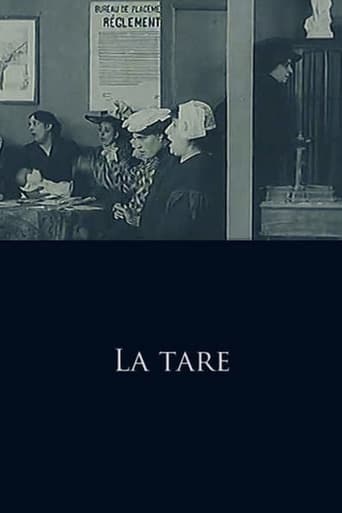
Titles linked here include The Defect (1911), Jimmy Pulls The Trigger (1911).
When was Renée Carl born and when did she die?
Born June 10, 1875; died July 31, 1954.
What awards did Renée Carl win?
During her active period in the early 1900s, formal acting awards did not yet exist in cinema. However, she was recognized posthumously as a pioneer of French cinema and has been honored in film retrospectives for her contributions to establishing film acting techniques.
What was Renée Carl's acting style?
Renée Carl developed a naturalistic acting style that was revolutionary for her time, favoring subtle facial expressions and restrained gestures over the exaggerated theatrical style common in early cinema. She understood that the camera required a different approach than stage performance and pioneered techniques of conveying emotion through intimate, nuanced performances that could be captured on film.