Marcel Lévesque
Actor
Born: December 28, 1876 in Paris, France Died: May 16, 1964 Active: 1911-1952
Films
2 films
About Marcel Lévesque
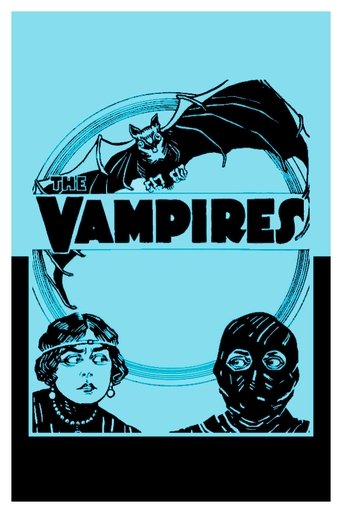
This archive lists one role for Marcel Lévesque: Judex (1916). He began his career in theater before transitioning to film in the early 1910s, making his mark with Gaumont studios. His breakthrough role came in 1915 when Feuillade cast him as Oscar-Charles Mazamette in the crime serial 'Les Vampires,' where he provided comic relief alongside Édouard Mathé's Philippe Guérande. This character became so popular that it defined his entire career and made him a household name in France. Lévesque continued working with Feuillade on other notable projects including 'Judex' (1916) and 'La Nouvelle Mission de Judex' (1917), where he reprised similar comic roles. His several decades, though he was most prominent during the silent era, and he successfully transitioned to sound films in the 1930s. Marcel appears in over 80 films throughout his career, becoming typecast in comic character roles that showcased his expressive physical comedy and timing. Lévesque remained active in French cinema until the early 1950s, retiring after a career that witnessed the complete transformation of the film industry from silent to sound and beyond.
The Craft
On Screen
Marcel Lévesque was known for his distinctive comedic style characterized by exaggerated physical movements, expressive facial gestures, and impeccable timing that was perfectly suited to the silent film medium. His approach combined elements of French music hall tradition with cinematic innovation, using his entire body to convey humor and emotion. Lévesque specialized in playing the everyman comic relief character, often portraying bumbling but good-hearted individuals who found themselves in extraordinary circumstances. His technique emphasized visual gags, slapstick elements, and a naturalistic approach that made his characters relatable to audiences. In sound films, he adapted his style to incorporate witty dialogue while maintaining his physical comedy skills, demonstrating remarkable versatility across different film eras.
Milestones
- Breakthrough role as Oscar-Charles Mazamette in 'Les Vampires' (1915)
- Long-term collaboration with director Louis Feuillade at Gaumont studios
- Starring role in 'Judex' (1916) and its sequel
- Successful transition from silent to sound films
- Over 80 film appearances spanning four decades
Best Known For
Iconic Roles
Must-See Films
Accolades
Special Recognition
- Recognized as a pioneer of French cinema
- Honored in French film retrospectives for contributions to silent film
Working Relationships
Worked Often With
Studios
Why They Matter
Impact on Culture
Marcel Lévesque's contribution to French cinema, particularly through his role in 'Les Vampires,' had a lasting impact on the development of crime serials and comic relief in film. His character Mazamette became an archetype for the comic sidekick in crime narratives, influencing countless subsequent films and television shows. The success of his collaboration with Louis Feuillade helped establish Gaumont as a major force in international cinema during the silent era. Lévesque's work demonstrated how comedy could be effectively integrated into thriller and crime genres, a technique that would become standard in later filmmaking. His performances helped popularize the serial format in France and internationally, paving the way for future film and television series. The rediscovery and restoration of 'Les Vampires' in the late 20th century brought renewed appreciation for Lévesque's contribution to cinema history, influencing modern filmmakers and actors studying silent film techniques.
Lasting Legacy
Marcel Lévesque's legacy endures primarily through his iconic performance as Mazamette in 'Les Vampires,' which remains. His work is regularly studied in film schools as an example of effective comic performance in the silent era. Lévesque represents an important link between traditional French theatrical comedy and the emerging art form of cinema, helping to establish comedic conventions that would influence generations of performers. His collaboration with Louis Feuillade is now recognized as. Film historians and preservationists have worked to restore and preserve his films, ensuring that future generations can appreciate his contributions to cinema. Lévesque's career shows the adaptability of early film actors who successfully navigated the dramatic technological and artistic changes in cinema during the first half of the 20th century.
Who They Inspired
Lévesque influenced subsequent generations of comic actors through his mastery of physical comedy and timing in silent film. His approach to creating relatable comic characters in serious narratives became a model for later filmmakers working in crime and thriller genres. The Mazamette character archetype he created can be seen echoed in countless later film and television productions featuring comic sidekicks. His successful transition from silent to sound films demonstrated to other actors of his era that physical comedy skills could remain valuable in the new medium. Modern comedians and actors studying silent film techniques often reference Lévesque's work as an example of how to convey humor effectively without dialogue. His influence extends beyond acting to the broader understanding of how comedy functions within genre filmmaking, particularly in balancing tension with relief in crime and thriller narratives.
Off Screen
Marcel Lévesque was born and raised in Paris, where he developed an early interest in performing arts. He began his career in theater before transitioning to the burgeoning film industry. Details about his personal life remain relatively private, as was common for actors of his era. He lived through both World Wars and witnessed the complete transformation of the film industry from silent to sound. Lévesque spent his entire life in France, remaining connected to Parisian cultural life throughout his career. He died in 1964 at the age of 87, having lived long enough to see his early work rediscovered and appreciated by new generations of film enthusiasts and historians.
Education
Likely received theatrical training in Paris, though specific educational details are not well documented
Did You Know?
- His character Mazamette was originally intended to be a minor role but became so popular that the role was expanded throughout the 'Les Vampires' series
- Lévesque often performed his own stunts in the action sequences of Feuillade's films
- The Mazamette character was notable for being one of the first comic relief characters to have significant character development throughout a film series
- Despite being primarily known for comedy, Lévesque — versatile actor who could play dramatic roles when required
- He worked continuously through the German occupation of France during World War II, appearing in several films made during this period
- The success of 'Les Vampires' made Lévesque one of the first true film stars in France, with audiences specifically seeking out films featuring his character
- His comic timing and physical style were influenced by French music hall and circus traditions
- Lévesque's character often broke the fourth wall, looking directly at the camera, which was unusual for the time
- He was one of the few actors from the 'Les Vampires' cast to maintain a successful film career after the silent era
- Film preservationists in the 1990s discovered several lost scenes featuring Lévesque that had been cut from the original releases of Feuillade's films
In Their Own Words
As a silent actor, my face must speak louder than words ever could
Comedy is not just about making people laugh, it's about giving them hope in dark times
Mazamette is every Frenchman who dreams of being a hero but knows he's just an ordinary man trying to do right
Frequently Asked Questions
Who was Marcel Lévesque?
French with credits in this catalog.' He was a prominent figure in French cinema during the silent era, particularly known for his comic performances and his long collaboration with director Louis Feuillade at Gaumont studios.
What films is Marcel Lévesque best known for?
Titles linked here include Les Vampires (1915), Judex (1916).
When was Marcel Lévesque born and when did he die?
Born December 28, 1876; died May 16, 1964.
What was Marcel Lévesque's acting style?
Lévesque was known for his distinctive comedic style featuring exaggerated physical movements, expressive facial gestures, and impeccable timing perfect for silent films. He specialized in playing bumbling but good-hearted comic relief characters, using visual gags and slapstick elements that drew from French music hall traditions.
How did Marcel Lévesque influence cinema?
Lévesque helped establish the archetype of the comic sidekick in crime narratives, influencing countless later films and TV shows. His work demonstrated how comedy could effectively balance tension in thriller genres, and his successful transition from silent to sound films showed the lasting value of physical comedy skills in cinema.
Did Marcel Lévesque work with other famous directors?
While Marcel Lévesque worked most extensively with Louis Feuillade, he also collaborated with other directors of the French silent era. However, his most significant and influential work was undoubtedly his long-term partnership with Feuillade at Gaumont studios, where they created some of the most important films of early French cinema.