
Films
5 films

About Jean Aymé
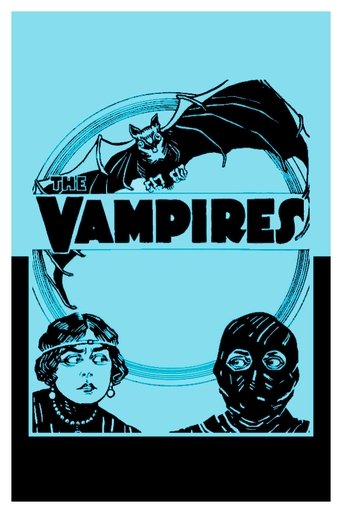
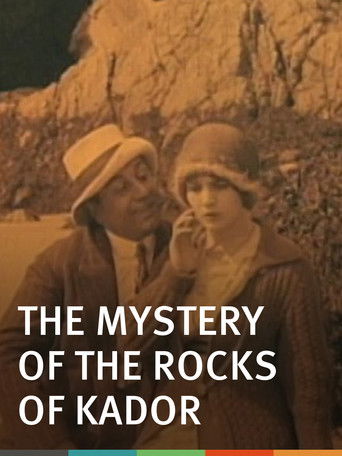
French actor who emerged during the era of cinema, working primarily in the early 1910s when film was still establishing itself as an art form. His career, though brief, coincided with some of the most innovative years of French silent cinema, particularly through his collaborations with director Louis Feuillade at Gaumont studios. Aymé appeared in several notable productions that showcased the evolving narrative techniques of the period, including the 'The Mystery of the Rocks of Kador' in 1912. His most significant work came in 1915 with his appearance in Feuillade's influential serial 'Les Vampires,' which would become works of early French cinema. Like many actors of his generation, Aymé's career was likely interrupted by World War I, which dramatically affected the European film industry. His filmography, though limited to roughly a five-year span, represents an important connection to the foundational years of cinematic storytelling and the development of the serial format that would later influence crime films and noir cinema worldwide.
The Craft
On Screen
As an actor in the early silent era, Jean Aymé likely employed the theatrical, exaggerated style common to the period, using broad gestures and facial expressions to convey emotion and narrative without dialogue. His performances would have been influenced by stage acting traditions adapted for the camera, with emphasis on physical presence and visual storytelling techniques that were still being developed in cinema.
Milestones
- Appeared in 'The Mystery of the Rocks of Kador' (1912)
- Worked with director Louis Feuillade
- Participated in the influential serial 'Les Vampires' (1915)
- Contributed to early French cinema during its formative years
- Helped establish the crime serial genre in film
Best Known For
Iconic Roles
Must-See Films
Working Relationships
Worked Often With
Studios
Why They Matter
Impact on Culture
Jean Aymé, while not a major star, contributed to the foundational development of cinema through his work in some of the most innovative French films of the early 1910s. His participation in Louis Feuillade's productions, particularly 'Les Vampires,' placed him at the forefront of the crime serial genre that would influence generations of filmmakers. These early French serials established many conventions of crime storytelling that would later appear in film noir, gangster films, and even modern superhero narratives. The collaborative nature of early cinema meant that even supporting actors like Aymé played crucial roles in experimenting with and perfecting cinematic techniques that would become industry standards.
Lasting Legacy
Jean Aymé's legacy lies primarily in his association with the groundbreaking work of director Louis Feuillade and the early French cinema movement. Though his individual contributions may not be widely documented, his participation in films like 'Les Vampires' connects him to. These works have been studied and celebrated by film historians, critics, and directors for over a century, with filmmakers such as Fritz Lang, Alfred Hitchcock, and even modern directors like Olivier Assayas drawing inspiration from Feuillade's innovative storytelling techniques. Aymé represents the countless supporting actors who helped build the foundation of cinema during its most experimental and formative years.
Who They Inspired
As a supporting actor in the early silent era, Jean Aymé's direct influence on subsequent performers is difficult to trace, but his work in establishing the crime serial genre had indirect effects on cinema history. The films he appeared in, particularly those directed by Louis Feuillade, demonstrated new possibilities for narrative complexity in cinema, showing how crime stories could be serialized to maintain audience engagement. This approach influenced the development of film noir in the 1940s and 1950s, as well as modern television crime dramas and cinematic universes that rely on serialized storytelling.
Off Screen
Very little documented information exists about Jean Aymé's personal life, which was typical for many supporting actors of the early silent era whose lives were not extensively recorded in film history. As a French actor working during the 1910s, his career was likely impacted by the outbreak of World War I in 1914, which disrupted the European film industry and potentially led to military service for many men of his generation.
Did You Know?
- Jean Aymé worked during the very early days of cinema when films were still establishing their artistic language
- His most famous work 'Les Vampires' was not about supernatural vampires but about a criminal gang
- The film 'Les Vampires' was controversial in its time for its depiction of crime and was temporarily banned
- Louis Feuillade, the director Aymé frequently worked with, was
- The Mystery of the Rocks of Kador (1912) featured innovative camera techniques for its time
- Early silent film actors like Aymé often had to provide their own costumes for productions
- The 1910s saw the transition from short films to feature-length productions, a change that affected actors' careers
- World War I likely ended or interrupted Aymé's film career, as it did for many European actors of his generation
Frequently Asked Questions
Who was Jean Aymé?
French with credits in this catalog. Though not a major star, he contributed to some of the most innovative French films of the period, including the influential serial 'Les Vampires'.
What films is Jean Aymé best known for?
Titles linked here include The Mystery of the Rocks of Kador (1912), Les Vampires (1915).
When was Jean Aymé born and when did he die?
Unfortunately, detailed biographical information about Jean Aymé's birth and death dates is not available, which is common for many supporting actors from the very early silent era. We know he was active as an actor between 1911 and 1915 in French cinema.
What awards did Jean Aymé win?
Jean Aymé did not receive any documented major awards during his brief career in the early 1910s. The film industry's award systems, including the Academy Awards, had not yet been established during his active period in cinema.
What was Jean Aymé's acting style?
As an actor in the early silent era, Jean Aymé likely employed the theatrical, exaggerated style common to the period, using broad gestures and facial expressions to convey emotion without dialogue. This style was influenced by stage acting traditions adapted for the relatively new medium of film.