Miseries of the Needle
"Sweatshop tragedy and a mother's despair"
Keys: Space play/pause · ←/→ 10s · F fullscreen · M mute · </> speed
About this film
Piecework wages fail to support a young seamstress and her child; grinding poverty drives her toward suicide in this social-reform drama.
Cast & crew
More films like this
More Drama films
View all →







More about this film
About the production
Release dateMarch 1914
ProductionSociété des Etablissements L. Gaumont
Filmed inParis, France
The film was produced during the early years of World War I, likely before the full impact of the war on French film production. As a social realist drama, it was part of a movement in early French cinema that addressed contemporary social issues. The piecework setting reflects the very real conditions faced by many women in Paris's garment industry during this period.
Themes
Poverty and economic desperationWomen's labor exploitationMaternal sacrificeSocial injusticeSuicide as escape
Themes & topics
Historical background
The silent era context of 1914 shaped how Miseries of the Needle was marketed, exhibited, and remembered. Focusing on the condition of women and the situation of female workers, it is likely the first feminist film in history. The anarchist cooperative that produced it explicitly called for the emancipation of women and encouraged the audience to become politically engaged on the issue.
Why this film matters
Preservation efforts around Miseries of the Needle help audiences connect with silent era viewing habits. Les Misères de l'aiguille or Miseries of the Needle is an anarchist and feminist film released in 1914, directed by Raphaël Clamour and produced by Le Cinéma du Peuple.
Making of
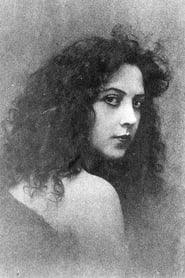
The production of Miseries of the Needle reflected the growing movement in European cinema toward addressing social issues through dramatic narrative. Director Raphäel Clamour, working within the Gaumont studio system, managed to create a film that was both commercially viable and socially conscious. The casting of Lina Clamour (possibly related to the director) in the lead role suggests an intimate, personal approach to the material. The film's realistic depiction of piecework conditions would have required careful set design and costume work to accurately represent the era's working-class environments. Given the film's serious subject matter, the production likely faced challenges in balancing social commentary with the entertainment expectations of 1914 audiences.
What critics said
Trade coverage around 1914 noted Miseries of the Needle as a competent example of its genre, with emphasis on pacing and star appeal where applicable. Published eight years before La Souriante madame Beudet by Germaine Dulac, the film was later rediscovered by historians and restored in 2020 by the Cinémathèque.
Did you know?
- This film is considered one of the earliest examples of social realist cinema addressing women's labor issues
- Director Raphäel Clamour was also an actor and appeared in several French films of the 1910s
- The film was released just months before the outbreak of World War I, making it one of the last pre-war French social dramas
- Piecework sewing was a common form of employment for poor women in Paris, often involving grueling hours for minimal pay
- The film's title 'Miseries of the Needle' refers both to the literal sewing work and the metaphorical 'needle' of poverty piercing the protagonist's life
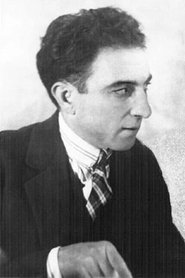
- Armand Guerra, one of the cast members, was actually a Spanish anarchist who later became a film director
- The film was likely shot on location or in studio sets that recreated the cramped working conditions of Parisian seamstresses
- Contemporary reviews noted the film's powerful emotional impact and its unflinching look at social problems
- The child actor in the film remains unidentified in surviving documentation
- This type of social drama was relatively rare in French cinema of 1914, which was dominated by comedies and historical epics
Visual style
The film utilized the cinematographic techniques common to French cinema of 1914, including static camera positions and carefully composed shots that emphasized the claustrophobic working conditions. The visual style likely employed chiaroscuro lighting to enhance the dramatic atmosphere and create visual metaphors for the protagonist's darkening prospects. The cinematography would have focused on close-ups of the sewing work and the actors' expressions to convey the emotional weight of the narrative.
Innovations
The film demonstrated technical proficiency in its use of location-style shooting and realistic set design that recreated the cramped conditions of piecework sewing. The production likely employed innovative lighting techniques to create mood and atmosphere within the confined spaces. The film's editing would have utilized the continuity editing practices being developed during this period to create emotional impact and narrative clarity.
Music
As a silent film, Miseries of the Needle would have been accompanied by live musical performance during theatrical screenings. The score likely included melancholic piano or organ music that emphasized the tragic elements of the story. Musical accompaniment might have featured popular French songs of the era that dealt with themes of poverty and hardship, creating an emotional connection with contemporary audiences.
Famous quotes
Each stitch is a thread of hope, each needle a dagger of despair.
The needle that feeds my child is the same that pierces my heart.
In this room of endless seams, my life unravels thread by thread.
Memorable scenes
- The final sequence where the overwhelmed mother, surrounded by unfinished piecework and exhausted beyond endurance, makes the tragic decision to end her life, leaving her sleeping child unaware of the impending loss.
What audiences thought
The film reportedly moved audiences to tears with its realistic depiction of poverty and despair. Contemporary accounts suggest that viewers were particularly affected by the mother-child relationship and the tragic circumstances that led to suicide. The film's serious tone and social message resonated with working-class audiences who recognized the authenticity of the piecework conditions depicted. While not as commercially successful as lighter fare of the period, the film developed a reputation for its emotional power and social relevance.
Film connections
Influenced by
- Social realist literature of the late 19th century
- Émile Zola's naturalist novels
- French social problem plays
- Earlier Gaumont social dramas
- Contemporary newspaper reports on working conditions
This film influenced
- Later French social realist films
- German social dramas of the 1920s
- Soviet social cinema
- Depression-era American social films
- Neorealist cinema of the 1940s
Film restoration
The film is considered lost, as no complete prints are known to exist in film archives worldwide. Only fragmentary documentation and contemporary reviews remain to attest to its existence and content.
Where to watch
- No known viewing sources exist as the film is considered lost. Only written descriptions and contemporary reviews provide information about its content.