
Films
2 films
About Charles Krauss
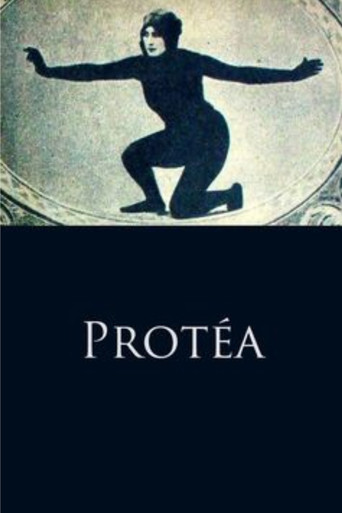
Charles Krauss appears once in this catalog: Protéa (1913). Specifically in the silent film era of 1913. His known filmography consists of appearing in 'Protéa' (1913), which was a French film serial directed by Victorin-Hippolyte Jasset. The film was produced by the Éclair studio and featured the character Protéa, portrayed by Josette Andriot, who is recognized as one of cinema's first female action heroes. Krauss was part of the supporting cast during a time when French cinema was many film techniques and genres, including the serial format that would become popular worldwide. His career appears to have been extremely brief, with 1913 being the only year of his documented film activity. Like many actors from this very early period of cinema, detailed records of his life and career are scarce, reflecting the transient nature of early film work and the limited documentation practices of the time.
The Craft
Milestones
- Appeared in 'Protéa' (1913), one of the earliest film serials
- Part of French cinema's silent era
- Worked with director Victorin-Hippolyte Jasset
Best Known For
Must-See Films
Working Relationships
Worked Often With
Studios
Why They Matter
Impact on Culture
Charles Krauss, though having a minimal documented career, was part of a significant moment in cinema history through his participation in 'Protéa' (1913). This film represented a milestone as one of the earliest film serials and featured one of the first female action protagonists. The film was part of the French cinema's golden age of innovation, during which French studios like Éclair were techniques and genres that would influence global cinema development. Even minor contributors to such groundbreaking works played a role in establishing the foundation of the film industry as we know it today.
Lasting Legacy
Charles Krauss's legacy is primarily as a footnote in the history of early French cinema, representing the many anonymous or little-documented actors who contributed to the days of film. His appearance in 'Protéa' connects him to the early development of the film serial format and the emergence of strong female characters in cinema. While his individual contribution may have been small, he was part of a collective effort that helped establish storytelling techniques and character archetypes that would influence cinema for decades to come.
Who They Inspired
As a minor actor from the very early silent era with only one documented appearance, Charles Krauss's direct influence on other performers or filmmakers is difficult to trace. However, his participation in early French cinema places him within the broader context of actors who helped establish the conventions of silent film acting and storytelling that would influence generations of performers to follow.
Off Screen
Very little is known about Charles Krauss's personal life, which was common for many supporting actors in the early silent film era. His brief appearance in cinema history leaves few records of his background, family, or life outside of his single known film appearance.
Did You Know?
- 'Protéa' (1913) was one of the first film serials ever made, predating many more famous American serials
- The film's star, Josette Andriot, who played Protéa, is considered one of cinema's first female action heroes
- The film was produced by Éclair, one of France's major early film studios
- Director Victorin-Hippolyte Jasset was a pioneer of French cinema who died in 1913, the same year 'Protéa' was released
- 1913 was a pivotal year in cinema, occurring just before World War I would dramatically alter European film production
- Early French actors like Krauss often worked anonymously, with credits sometimes omitted entirely from films
- The film serial format that 'Protéa' helped establish would become extremely popular in the 1920s-1940s
- Very few complete copies of films from this era survive, making documentation of actors like Krauss particularly challenging
Frequently Asked Questions
Who was Charles Krauss?
Screen credits include the 1913 film 'Protéa'. He had a very brief documented career, with 1913 being the only year of his known film activity.
What films is Charles Krauss best known for?
Titles linked here include Protéa (1913).
When was Charles Krauss born and when did he die?
The birth and death dates of Charles Krauss are not documented in available historical records, which is common for many supporting actors from the very early silent film era.
What awards did Charles Krauss win?
There are no records of Charles Krauss receiving any awards or honors, which was typical for most actors during the very early days of cinema before formal award systems were established.
What was Charles Krauss's acting style?
Specific details about Charles Krauss's acting style are not documented, as he appeared in only one known film from 1913 and detailed reviews or analysis of individual performances from this era are rare.
Why is 'Protéa' (1913) historically significant?
'Protéa' is historically significant as one of the earliest film serials and for featuring one of cinema's first female action heroes. The film represents an important milestone in the development of narrative cinema and genre filmmaking.
What studio did Charles Krauss work with?
Charles Krauss worked with Éclair, a major French film studio that was active during the early silent era and produced many films in the 1910s.