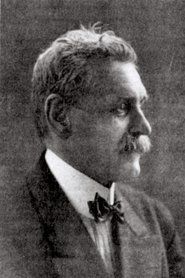
Victorin-Hippolyte Jasset
Director
Born: March 30, 1862 in Fumay, Ardennes, France Died: June 22, 1913 Active: 1905-1913
Films
3 films
About Victorin-Hippolyte Jasset
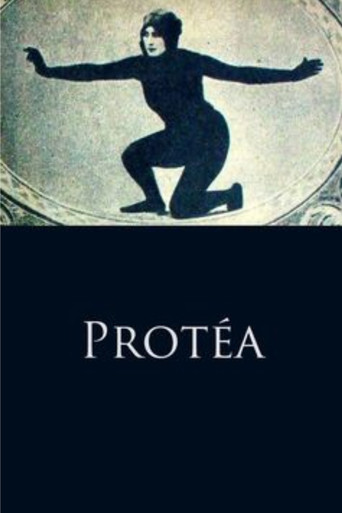
French film director who in the development of early silent cinema during the first decade of the 20th century. Beginning his career as a painter and sculptor, Jasset transitioned to filmmaking around 1905 and quickly established himself as one of France's most innovative directors at the Éclair film company. He became renowned for his mastery of the crime thriller genre, creating popular series like 'Nick Carter' and 'Zigomar' that captivated audiences with their elaborate plots and dynamic action sequences. Jasset's 1913 film 'Protéa' was particularly, featuring one of cinema's first female action heroes and establishing a template for future spy and adventure films. His technical innovations included sophisticated chase scenes, complex editing techniques, and the use of location shooting to add realism to his productions. Despite his relatively short career, cut short by his untimely death in 1913 at age 51, Jasset directed over 100 films and on the development of narrative cinema. His work influenced countless filmmakers who followed, particularly in the crime and action genres, and his films remain important examples of early French cinematic artistry.
The Craft
Behind the Camera
Jasset was known for his dynamic and innovative directing style that emphasized action, movement, and suspense. He pioneered sophisticated chase sequences that utilized multiple camera angles and rapid editing techniques that were ahead of their time. His approach to crime thrillers involved complex plotting, elaborate set pieces, and a keen understanding of visual storytelling that didn't rely on intertitles. Jasset frequently employed location shooting to add realism to his films, particularly in his crime series, and was adept at creating tension through his use of close-ups and tracking shots. His work demonstrated a mastery of narrative pacing and an ability to create compelling action sequences that would influence the development of the thriller genre for decades to come.
Milestones
- Created the popular 'Nick Carter' detective film series (1908-1909)
- Directed the groundbreaking 'Zigomar' crime series (1911-1912)
- Made 'Protéa' (1913), featuring cinema's first female action hero
- Pioneered advanced chase sequences and action cinematography
- Directed over 100 films in less than a decade
- Helped establish Éclair as a major French film studio
Best Known For
Must-See Films
Accolades
Special Recognition
- Recognized as a pioneer of French cinema by film historians
- His films are preserved in the French Cinémathèque archives
- Posthumously celebrated as an innovator in early crime cinema
Working Relationships
Worked Often With
Studios
Why They Matter
Impact on Culture
Victorin Jasset had a profound impact on the development of early cinema, particularly in establishing the crime thriller as a viable and popular genre. His 'Nick Carter' and 'Zigomar' series helped create the template for the detective and criminal mastermind characters that would become staples of cinema worldwide. The character of Protéa, created by Jasset in 1913, was revolutionary as one of the first female action heroes in film history, predating characters like Irma Vep by several years and challenging gender norms in early cinema. Jasset's technical innovations in chase scenes and action sequences influenced filmmakers across Europe and America, helping establish the visual language of action cinema that persists to this day. His work demonstrated the commercial and artistic potential of genre filmmaking, proving that audiences would respond to sophisticated plots and dynamic action in silent films.
Lasting Legacy
Victorin Jasset's legacy lies in his crucial role as a pioneer of narrative cinema and genre filmmaking during cinema's formative years. His over 100 films represent some of the earliest examples of sophisticated storytelling in motion pictures, particularly in the crime and thriller genres. The techniques he developed for creating suspense and excitement through visual means - including elaborate chase sequences, cross-cutting, and dynamic camera movement - became fundamental tools in the filmmaker's arsenal. His creation of the Protéa character opened doors for female representation in action roles, influencing countless filmmakers and characters in the decades that followed. Film historians recognize Jasset as a key figure in the transition from simple trick films to complex narrative cinema, and his work is studied as an important example of early French cinematic innovation.
Who They Inspired
Jasset influenced the development of crime cinema globally, with his series films serving as models for American serials and European crime dramas. His work with Éclair helped establish the studio system approach to film production that would dominate cinema for decades. Directors like Louis Feuillade, who created the famous 'Fantômas' and 'Les Vampires' series, built upon the foundation Jasset had laid in French crime cinema. His technical innovations in action sequences influenced filmmakers across Europe and eventually Hollywood, where chase scenes and action set pieces became staples of popular cinema. The character archetype of the criminal mastermind that Jasset helped develop continues to appear in films and television today, demonstrating the lasting influence of his creative vision.
Off Screen
Victorin Jasset began his artistic career as a painter and sculptor before transitioning to the new medium of cinema. He was married and had children, though specific details about his family life are limited in historical records. His artistic background influenced his visual approach to filmmaking, bringing an artist's eye to composition and framing. Jasset was known as a hardworking and prolific director who often worked on multiple projects simultaneously. His sudden death in 1913 at the relatively young age of 51 cut short a remarkably productive career that had already made significant contributions to the art of cinema.
Education
Trained as a painter and sculptor; self-taught in filmmaking techniques
Family
- Unknown (historical records incomplete)
Did You Know?
- Jasset was originally trained as a painter and sculptor before entering the film industry
- He directed over 100 films in less than a decade of filmmaking
- His 'Zigomar' character was so popular that it spawned comic books and merchandise
- Jasset died suddenly in 1913, cutting short a highly productive career
- His film 'Protéa' featured one of cinema's first female action heroes
- The 'Nick Carter' series he directed was based on popular American detective stories
- Jasset was one of the first directors to use location shooting extensively
- His chase sequences were considered revolutionary for their time
- Éclair studio, where he worked, became one of France's major film companies
- Many of his films are now lost, a common fate for early silent cinema
In Their Own Words
The cinema must not merely show, it must excite and move the audience to action and emotion
In the chase scene lies the soul of cinema - pure movement, pure excitement, pure storytelling
A criminal on screen must be as clever as the detective who pursues him - only then does the drama become truly compelling
Frequently Asked Questions
Who was Victorin-Hippolyte Jasset?
French on YTB.my. He was known for his innovative crime thrillers and action films, particularly the 'Nick Carter' and 'Zigomar' series, and created one of cinema's first female action heroes in his 1913 film 'Protéa'.
What films is Victorin Jasset best known for?
Titles linked here include Protéa (1913), Bandits en Automobile (1912).
When was Victorin Jasset born and when did he die?
Born March 30, 1862; died June 22, 1913.
What was Victorin Jasset's directing style?
Jasset was known for his dynamic directing style that emphasized action, movement, and suspense. He pioneered sophisticated chase sequences, used innovative editing techniques, and was adept at creating tension through visual storytelling rather than relying on intertitles. His approach helped establish the visual language of action cinema.
What was Victorin Jasset's impact on cinema?
Jasset had a significant impact on early cinema by helping establish the crime thriller genre and techniques in action filmmaking. His creation of the Protéa character was revolutionary as one of cinema's first female action heroes, and his technical innovations in chase scenes influenced filmmakers globally. He demonstrated the commercial potential of genre filmmaking and narrative complexity in early cinema.
Did Victorin Jasset win any awards?
Victorin Jasset did not receive formal awards during his lifetime, as the film industry's award systems had not yet been established in the early 1910s. However, he is posthumously recognized by film historians as a figure in early French cinema and his work is preserved and studied for its historical significance.
What studio did Victorin Jasset work for?
Victorin Jasset worked primarily for the Éclair film company, one of France's major early film studios. He also had some association with Pathé during his career. His work with Éclair helped establish the studio as a significant force in early French cinema production.