Georg Asagaroff
Actor
Born: 1890 in Moscow, Russian Empire Active: 1915-1916 Birth Name: Georgy Asagarov
Films
2 films
About Georg Asagaroff
Russian actor who worked during the early years of Russian cinema, appearing in notable silent films during the pre-revolutionary period. His brief but significant film 1915 to 1916, during which he collaborated with prominent directors of the era. Asagaroff was part of the burgeoning Russian film industry that was developing its own artistic identity separate from European influences. His performances in literary adaptations demonstrated the Russian cinema's preference for classic literature as source material. Georg Asagaroff's career coincided with what many consider the golden age of pre-revolutionary Russian cinema, a period that produced technically and artistically sophisticated films. Unfortunately, like many actors of this period, his career was cut short by the dramatic political and social changes that would soon transform Russia. His work, however, of early Russian film history and the development of cinematic art in the early 20th century.
The Craft
On Screen
Asagaroff's acting style reflected the theatrical traditions of early Russian cinema, characterized by exaggerated gestures and dramatic expressions typical of the silent era. His performances likely drew from the rich Russian theatrical tradition, incorporating elements of Stanislavski's emerging techniques that were influencing Russian performance art. Like many actors of this period, he had to convey complex emotions through physical expression and facial gestures without the benefit of dialogue.
Milestones
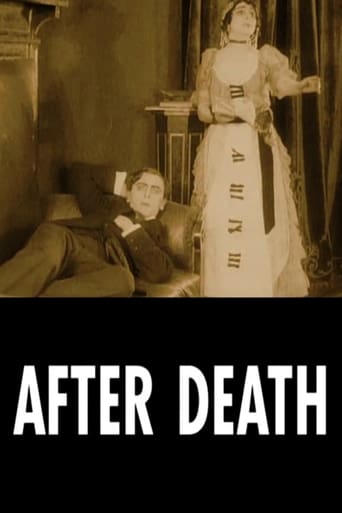
- Starred in 'After Death' (1915), one of the earliest Russian horror films
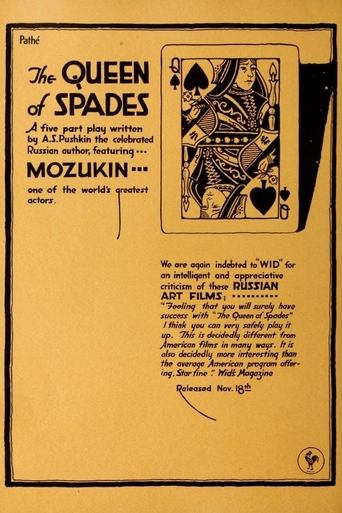
- Appeared in 'The Queen of Spades' (1916), a prestigious literary adaptation
- Worked during the peak of pre-revolutionary Russian cinema
- Participated in the Russian film industry's artistic maturation period
Best Known For
Iconic Roles
Must-See Films
Working Relationships
Worked Often With
Studios
Why They Matter
Impact on Culture
Georg Asagaroff contributed to the development of Russian cinema during its formative years, participating in films that helped establish Russia as a significant force in early world cinema. His work in literary adaptations like 'The Queen of Spades' helped cement the Russian film industry's preference for adapting classic literature, a tradition that would continue throughout Soviet cinema. The films he appeared in are now considered important artifacts of pre-revolutionary Russian culture, offering insights into the artistic sensibilities and technical achievements of the era.
Lasting Legacy
Though his career was brief, Georg Asagaroff's work survives as part of the important legacy of pre-revolutionary Russian cinema. His films are studied by film historians as examples of early Russian artistic achievement in cinema, particularly in their approach to literary adaptation and psychological drama. The preservation of his films provides modern audiences with a window into the sophisticated film culture that existed in Russia before the Revolution.
Who They Inspired
As an actor from the very early period of Russian cinema, Asagaroff was part of the generation that established acting conventions for Russian film that would influence subsequent generations of actors. His work in psychological horror and literary drama helped demonstrate the potential of cinema as a serious artistic medium in Russia, contributing to the elevation of film from mere entertainment to art.
Off Screen
Very little is documented about Georg Asagaroff's personal life, which is common for actors from this early period of Russian cinema. Records from the pre-revolutionary era are often incomplete or lost, particularly for actors who had brief careers. Like many artists of his time, he was likely affected by the dramatic political changes that followed the 1917 Russian Revolution.
Did You Know?
- 'After Death' (1915) was one of the first Russian horror films and was based on a story by Ivan Turgenev
- The Queen of Spades (1916) was based on the famous short story by Alexander Pushkin
- Both films Asagaroff appeared in were directed by prominent figures in early Russian cinema
- Pre-revolutionary Russian cinema was highly sophisticated technically and artistically, rivaling European productions
- Many Russian actors from this period had stage backgrounds before entering film
- The films Asagaroff appeared in were produced by the Khanzhonkov Company, one of Russia's first major film studios
- Russian cinema of 1915-1916 was experiencing a creative peak just before the Revolution
- Silent Russian actors needed strong theatrical training due to the absence of dialogue
Frequently Asked Questions
Who was Georg Asagaroff?
Russian with credits in this catalog. He is primarily known for his roles in 'After Death' and 'The Queen of Spades', both significant literary adaptations from early Russian cinema.
What films is Georg Asagaroff best known for?
Titles linked here include After Death (1915), The Queen of Spades (1916).
When was Georg Asagaroff born and when did he die?
Born 1890; died death date not listed.
What awards did Georg Asagaroff win?
There are no recorded awards or nominations for Georg Asagaroff, which is typical for actors from the very early silent film period when formal award systems for cinema had not yet been established.
What was Georg Asagaroff's acting style?
Asagaroff's acting style reflected the theatrical traditions of early Russian cinema, featuring the dramatic gestures and expressive techniques common to silent film performance. His approach was likely influenced by the rich Russian theatrical tradition and the emerging techniques being developed in Russian performance art during this period.