
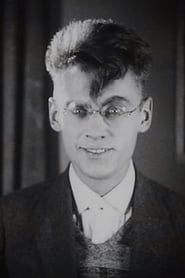
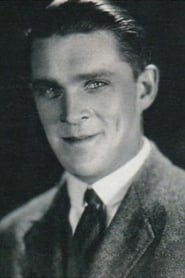
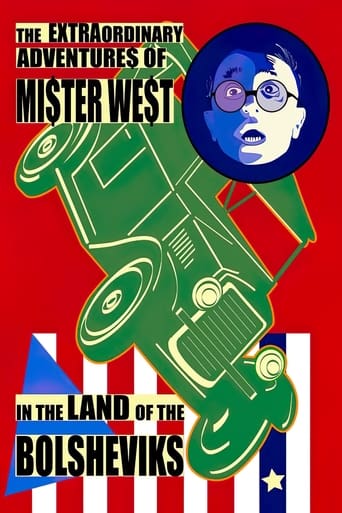
The Case of the Three Million
"Double crossing when two thieves"
Keys: Space play/pause · ←/→ 10s · F fullscreen · M mute · </> speed
About this film
History of theft and double crossing when two thieves fall out over the theft of the money of the proceeds of the sale of a house by a banker to a religious community.
Cast & crew
More films like this
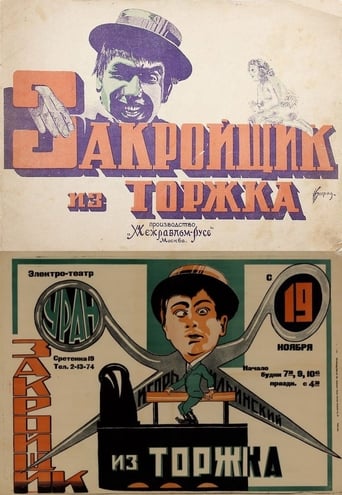
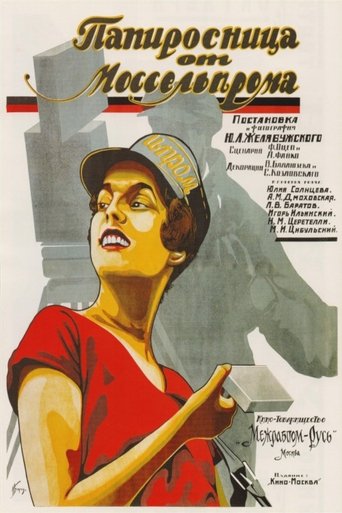
More Comedy films
View all →







More from Yakov Protazanov
View all →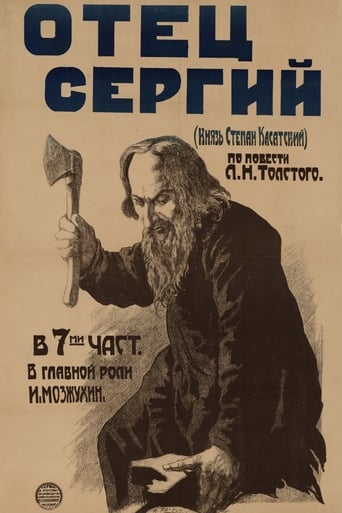
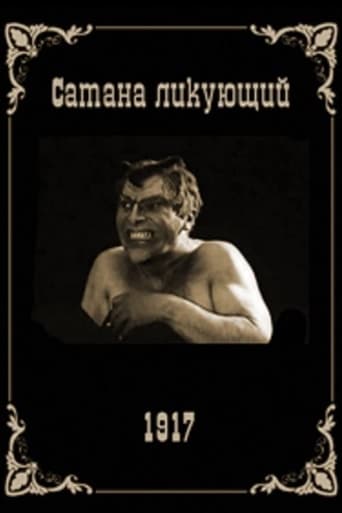


More about this film
About the production
Release dateOctober 26, 1926
ProductionGoskino, Mezhrabpom-Rus
Filmed inMoscow, Soviet Union
The film was produced during the NEP (New Economic Policy) period in the Soviet Union, which allowed for more commercial and entertainment-focused cinema. Director Yakov Protazanov had recently returned from emigration in Germany, bringing back Western cinematic techniques that he incorporated into Soviet filmmaking. The production utilized elaborate sets and location shooting around Moscow to create the film's visual spectacle.
Themes
Greed and its consequencesBetrayal and loyaltyThe corrupting influence of wealthClass differences in Soviet societyThe nature of justice
Themes & topics
Historical background
The Case of the Three Million (1926) emerged during late silent cinema and the transition toward sound, when exhibition habits and national film industries were still taking shape.
Why this film matters
The Case of the Three Million remains accessible through digital archives, giving modern viewers a direct link to 1926 screen culture.
Making of
The production of 'The Case of the Three Million' took place during a fascinating transitional period in Soviet cinema. Director Yakov Protazanov, who had been working abroad in Germany and had briefly collaborated with Hollywood studios, brought back a wealth of international filmmaking techniques to the Soviet industry. The film was shot at the Mezhrabpom-Rus studio, one of the few Soviet studios that maintained artistic independence during the 1920s. Igor Ilyinsky, who had previously worked in theater, developed his screen persona through this film, combining elements of Chaplin-esque physical comedy with distinctly Russian character traits. The production team faced challenges in creating authentic period settings for the religious community scenes, as many traditional religious buildings had been repurposed or destroyed following the revolution. The film's elaborate chase sequences required extensive coordination between the camera crew and performers, with Protazanov employing multiple cameras to capture the dynamic action from various angles.
What critics said
Modern write-ups on The Case of the Three Million (1926) tend to focus on preservation status, stylistic choices, and placement within director or studio filmographies.
Did you know?
- The film was Popular Soviet comedies of the 1920s and helped establish Igor Ilyinsky as a major comedy star
- Director Yakov Protazanov had previously worked in Hollywood before returning to the Soviet Union, bringing international cinematic influences
- The film's title refers to the three million rubles that serve as the central MacGuffin driving the plot
- Despite being a comedy, the film was praised for its sophisticated camera work and editing techniques
- The religious community depicted in the film was based on real religious sects that existed in Russia during the early 20th century
- The film was initially banned in some regions for its satirical portrayal of religious figures
- Igor Ilyinsky performed many of his own stunts in the film, showcasing his physical comedy skills
- The film's success led to several sequels and remakes in later decades
- It was one of the first Soviet films to use chase sequences as a major comedic device
- The film's negative was partially damaged during World War II but was later restored from surviving prints
Awards & recognition
- No major awards were given to Soviet films in 1926, but it received recognition at the 1927 Moscow Film Festival
Visual style
The cinematography by Yuri Volchek showcased advanced techniques for the time, including dynamic camera movement during chase sequences and sophisticated use of close-ups for comedic effect. The film employed multiple camera setups to capture complex action scenes, a technique that was still relatively rare in Soviet cinema of the mid-1920s. The visual style combined elements of German Expressionism with the emerging Soviet montage theory, creating a distinctive look that enhanced the film's comedic and dramatic moments. The lighting design effectively contrasted the opulent settings of the banker's world with the more modest environments of the other characters, reinforcing the film's thematic concerns.
Innovations
The film featured innovative use of location shooting in Moscow, which was still relatively uncommon in Soviet cinema of the mid-1920s. The production employed sophisticated editing techniques to create rhythm and pacing in the comedy sequences, particularly in the elaborate chase scenes. The film's special effects, while simple by modern standards, were effective for their time and included clever use of camera tricks and practical effects to enhance the comedic situations. The production design created detailed and convincing period settings that contributed significantly to the film's visual appeal and storytelling.
Music
As a silent film, 'The Case of the Three Million' would have been accompanied by live musical performance in theaters. The original score was composed by Vladimir Deshevov, who created a dynamic musical accompaniment that enhanced the film's comedic and dramatic moments. The music incorporated elements of Russian folk melodies alongside contemporary classical influences, reflecting the film's blend of traditional and modern themes. In modern restorations, new musical scores have been created by contemporary composers to accompany the film for screenings at film festivals and special events.
Famous quotes
As a silent film, quotes were conveyed through intertitles: 'Three million rubles.. Enough to make any man a fool or a genius'
Intertitle: 'In the race for gold, even the fastest runner can stumble'
Intertitle: 'Trust is a luxury that thieves cannot afford'
Memorable scenes
- The elaborate opening heist sequence where the thieves meticulously plan and execute the theft of the three million rubles
- The chaotic chase through Moscow streets where the stolen money changes hands multiple times
- The climactic confrontation scene in the abandoned warehouse where all characters converge for the final showdown
- Igor Ilyinsky's physical comedy routine while trying to hide the money in various improbable locations
- The scene where the religious community members inadvertently become involved in the criminal proceedings
What audiences thought
The film was enormously popular with Soviet audiences upon its release, drawing large crowds in major cities and becoming one of the box office successes of 1926. Audiences particularly responded to Igor Ilyinsky's charismatic performance and the film's fast-paced action sequences. The film's humor, while sophisticated, was accessible to a broad spectrum of Soviet viewers, from urban intellectuals to rural audiences. Its popularity led to increased demand for more comedy films in the Soviet market. The film's success was such that it continued to be shown in Soviet theaters for several years after its initial release, an unusual longevity for films of that period.
Film connections
Influenced by
- American silent comedies of the 1920s
- German Expressionist cinema
- Russian literary traditions of satire
- Chaplin's comedic style
- Soviet montage theory
This film influenced
- Later Soviet comedies of the 1930s-1950s
- The work of subsequent Soviet comedy directors
- Modern Russian comedy films that reference classic Soviet cinema
Film restoration
The film has been preserved and restored by the Gosfilmofond of Russia. While some elements of the original negative were damaged during World War II, complete copies survived and have been used for restoration efforts. The restored version was screened at various international film festivals in the 1990s and 2000s, bringing this classic Soviet comedy to new audiences. The film is considered to be in good preservation condition for a film of its era.
Where to watch
- Available on Russian streaming platforms like Kinopoisk
- Included in some Soviet cinema collections on DVD/Blu-ray
- Occasionally screened at film festivals specializing in classic cinema
- Available through some academic film archives and cinematheques
- May be found on specialized classic film streaming services