Films
3 films

About Daniil Vvedenskiy
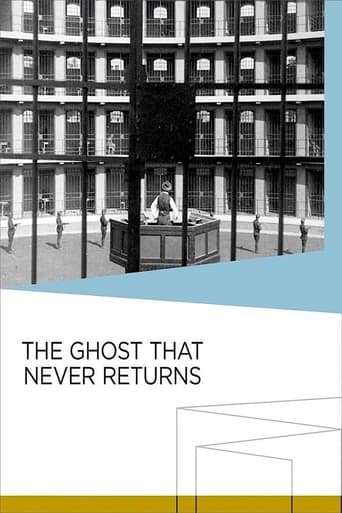
Soviet actor active during the late silent era and early sound period of Soviet cinema, with a brief but notable career spanning from 1926 to 1930. He emerged during creative periods in Soviet film history, working alongside some of the nation's filmmakers. His most significant roles were in 'The Case of the Three Million' (1926), a crime thriller that showcased the Soviet fascination with detective genres, and 'The Ghost That Never Returns' (1930), an important early sound film that demonstrated the technical and artistic ambitions of Soviet cinema. Vvedenskiy's career coincided with the transition from silent films to talkies, a period that saw many actors struggle to adapt to new performance requirements. Like many actors of his generation, his film career was relatively short, possibly due to the changing political and cultural landscape of the Soviet Union during the early 1930s. His work, however, remains part of the foundation of Soviet cinematic history, representing the artistic experimentation and social commentary characteristic of the era.
The Craft
On Screen
While specific details about Vvedenskiy's acting style are limited, actors of the Soviet silent era typically employed exaggerated physical expressions and gestures characteristic of silent film performance. The transition to sound films required actors to adapt their techniques to incorporate vocal performance, a challenging evolution that many actors of his period navigated.
Milestones
- Starred in 'The Case of the Three Million' (1926)
- Appeared in 'The Ghost That Never Returns' (1930)
- Worked during the transition from silent to sound cinema in the Soviet Union
Best Known For
Iconic Roles
Must-See Films
Working Relationships
Studios
Why They Matter
Impact on Culture
Daniil Vvedenskiy contributed to the early Soviet cinema during a period of tremendous artistic innovation and social transformation. His participation in films like 'The Ghost That Never Returns' placed him at the forefront of the Soviet Union's transition to sound cinema, a technological and artistic leap that would influence global filmmaking. Though his career was brief, his work represents the collective effort of Soviet actors who helped establish a national cinema that would eventually produce some of the most celebrated films in world cinema history.
Lasting Legacy
While Daniil Vvedenskiy may not be widely remembered today, his legacy lives on through the preservation of the films in which he appeared. These movies serve as important historical documents of Soviet life and artistic expression during the late 1920s and early 1930s. His contributions, though modest in scale, are part of the foundation upon which Soviet and later Russian cinema was built.
Who They Inspired
As an actor working during the formative years of Soviet cinema, Vvedenskiy was part of a generation that helped establish acting conventions and performance styles that would influence subsequent generations of Soviet actors. The transition from silent to sound films that he experienced was a pivotal moment that shaped the future of acting in Soviet cinema.
Off Screen
Very limited information is available about Daniil Vvedenskiy's personal life, which is not uncommon for actors of his era in the Soviet Union, especially those with relatively brief careers. Many biographical details from this period remain undocumented or lost to history.
Did You Know?
- Appeared in films during the critical transition period from silent to sound cinema
- Worked in Soviet cinema during one of its most artistically productive periods
- His film 'The Ghost That Never Returns' (1930) was among the early Soviet sound films
- The 1920s in Soviet cinema were known for artistic experimentation and innovation
- Many Soviet actors from this era had their careers impacted by political changes in the 1930s
- The preservation status of his films contributes to our understanding of early Soviet cinema
Frequently Asked Questions
Who was Daniil Vvedenskiy?
Soviet with credits in this catalog. He worked during the important transition period from silent to sound cinema in the Soviet Union.
What films is Daniil Vvedenskiy best known for?
Titles linked here include The Case of the Three Million (1926), The Ghost That Never Returns (1930).
When was Daniil Vvedenskiy active as an actor?
Daniil Vvedenskiy's known acting active years covered from 1926 to 1930, covering the critical transition period from silent films to sound films in Soviet cinema.
What was significant about the films Daniil Vvedenskiy appeared in?
His films represent important milestones in Soviet cinema history. 'The Ghost That Never Returns' was part of the early Soviet sound film movement, while both films showcase the artistic and technical ambitions of Soviet filmmakers during this innovative period.
Why is information about Daniil Vvedenskiy limited?
Limited documentation is common for many Soviet actors from this era, especially those with shorter careers. Many biographical details from the 1920s and 1930s Soviet film industry remain undocumented or were lost due to historical circumstances and the political changes that followed.