
Films
7 films

About Mikhail Klimov
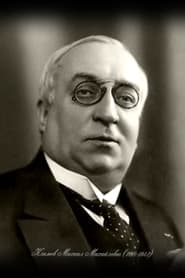
Soviet actor active in cinema during the late silent era and the first decade of sound film, with screen credits extending from the mid-1920s into the late 1930s. He is known primarily through his work in Russian and Soviet productions such as The Case of the Three Million (1926), The Man from the Restaurant (1927), St. Jorgen's Day (1930), Torn Boots (1933), and Marionettes (1934), which place him firmly within the formative years of Soviet cinematic history. His career unfolded during a period when Soviet film was rapidly evolving from silent melodrama and satirical comedy into more structured sound-era storytelling, and Klimov appears in that broader artistic transition. Unfortunately, surviving English-language biographical documentation on him is limited, and many details of his private life and early training are not widely recorded in accessible international film references. What can be said with confidence is that he worked steadily enough to appear in a notable cluster of films over more than a decade, suggesting he was a working professional actor trusted in supporting or character roles. His filmography links him to some of the better-known Soviet screen titles of the era, which helps preserve his name in film history even where personal documentation is sparse. As with many actors of early Soviet cinema, his legacy survives mainly through the films themselves and the historical importance of the productions in which he participated.
The Craft
Milestones
- Appeared in The Case of the Three Million (1926), an early screen credit that places him in the silent-era Soviet film industry
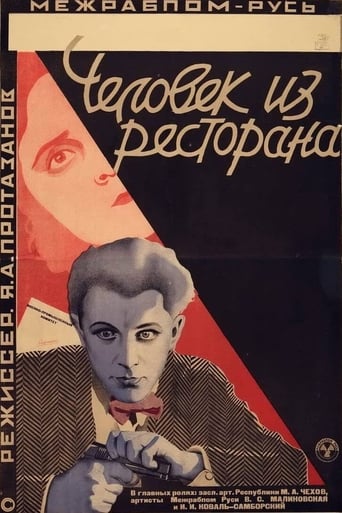
- Worked in The Man from the Restaurant (1927), one of the more notable Soviet films of the late silent period
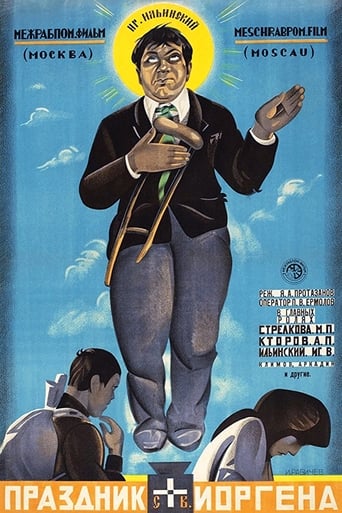
- Acted in St. Jorgen's Day (1930), a film associated with the transition from silent cinema to sound-era production methods
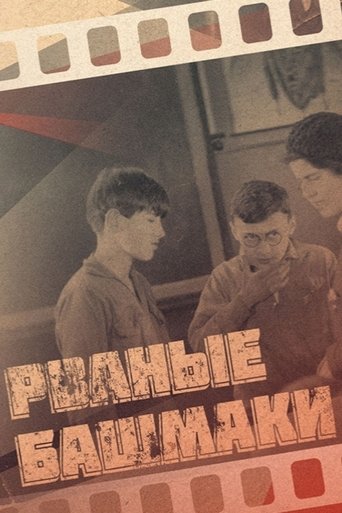
- Continued working in the early 1930s with credits such as Torn Boots (1933) and Marionettes (1934)
- Maintained screen activity through at least 1937, indicating a sustained professional presence during a fast-changing era of Soviet film
- Participated in films that are now part of the historical record of classic Soviet cinema
- Represents the generation of character actors whose work supported the development of national Soviet screen culture
Best Known For
Iconic Roles
Must-See Films
Working Relationships
Studios
Why They Matter
Impact on Culture
Mikhail Klimov's cultural importance lies less in star celebrity and more in his place within the historical fabric of early Soviet cinema. Actors like Klimov were essential to the development of a national screen tradition because they embodied the repertoire of faces, gestures, and character types through which silent and early sound films communicated to mass audiences. His appearances in titles from the 1920s and 1930s connect him to a pivotal artistic era when Soviet filmmaking was defining its identity, experimenting with form, and moving toward sound. Even when an actor's name is not widely recognized today, the preservation of their film credits contributes to the collective memory of the era and helps scholars map the industrial and artistic networks of the period.
Lasting Legacy
Klimov's lasting legacy is archival and historical: he remains part of the documented cast lists of important classic Soviet films, ensuring that his career is preserved in film history even if biographical details are scarce. His surviving record illustrates the many working actors who made the Soviet cinema of the silent and early sound periods possible, often without the international fame attached to directors or leading stars. For researchers, his name helps illuminate the ensemble-based nature of filmmaking in the USSR, where character actors contributed significantly to the texture and credibility of productions. His filmography also serves as a reminder that the history of cinema is built not only on iconic auteurs but on the steady labor of performers whose names endure in credits and archives.
Who They Inspired
There is no strong evidence that Mikhail Klimov directly influenced later generations in the way major stars or nationally famous performers did, but his work contributed to the broader performance culture of Soviet screen acting. By participating in productions across the transition from silent cinema to early sound, he was part of the working tradition that shaped how Soviet actors adapted theatrical expression for film. His influence is therefore indirect: he stands among the many practitioners whose cumulative work established norms of ensemble acting, genre performance, and screen naturalism in Soviet cinema. For historians, such actors help define the professional baseline against which the more celebrated figures of the era are understood.
Off Screen
Reliable public information about Mikhail Klimov's personal life is extremely limited in accessible film reference sources. His family background, marriages, and children are not well documented in widely available English-language materials, and no verified personal narrative is readily established from the surviving basic filmographies. Like many actors from early Soviet cinema, he is more visible through production records than through contemporary celebrity coverage. As a result, any detailed account of his private life would risk speculation, so only his professional record can be stated with confidence.
Did You Know?
- Mikhail Klimov's surviving film record spans both silent cinema and early sound film, making him a transitional-era performer.
- He is associated with several notable Soviet titles from the late 1920s and early 1930s.
- His name is preserved more clearly in filmographies than in biographical reference works.
- He worked during.
- His credits suggest a sustained working career rather than a single-film appearance.
- Available sources do not clearly document his private life, which is common for many supporting players of the era.
- Because his name is relatively common, careful identification is needed to distinguish him from other people with similar names.
Frequently Asked Questions
Who was Mikhail Klimov?
Soviet film with credits in this catalog. He is best known for appearing in classic-era Russian and Soviet films, especially from the silent and early sound periods.
What films is Mikhail Klimov best known for?
Titles linked here include The Case of the Three Million (1926), The Man from the Restaurant (1927).
When was Mikhail Klimov born and when did he die?
His birth and death dates are not reliably available in the accessible sources consulted for early Soviet film personnel. Likewise, his birth and death places are not clearly documented in widely available reference material.
What awards did Mikhail Klimov win?
No verified awards or formal honors are readily documented for Mikhail Klimov in the accessible classic-cinema references available. His significance is primarily historical and filmographic rather than award-based.
What was Mikhail Klimov's acting style?
A specific documented description of his acting style is not readily available. Based on his era and film context, he would have worked within the conventions of silent-era and early sound Soviet performance, likely in ensemble and character roles.
What is Mikhail Klimov's legacy in film history?
His legacy lies in his contribution to early Soviet cinema and in the preservation of his name within the film record. He represents the many professional actors whose work supported the artistic development of Soviet film during a foundational period.