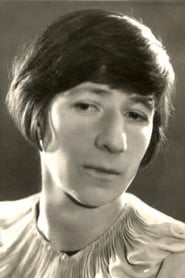
Serafima Birman
Actor
Born: August 16, 1890 in Moscow, Russian Empire Died: May 16, 1976 Active: 1925-1944 Birth Name: Serafima Abramovna Birman
Films
7 films

About Serafima Birman
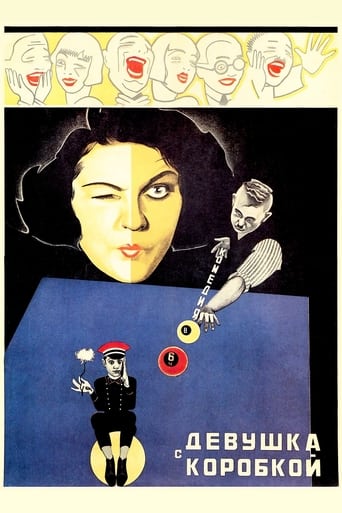
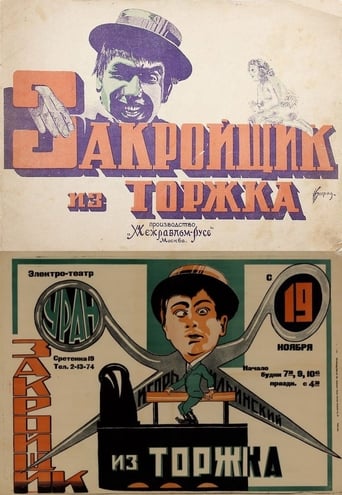
Soviet actress: the silent era through the early sound period of Soviet cinema. Born in 1890, she began her theatrical career before transitioning to film during the revolutionary period of Russian cinema. Birman became particularly renowned for her work with director Yakov Protazanov, appearing in several of his most celebrated films of the 1920s. Her performances in 'The Tailor from Torzhok' (1925) and 'The Girl with the Hat Box' (1927) established her as one of the leading actresses of early Soviet cinema, known for her ability to portray strong, independent female characters. Throughout the 1930s, she continued to work in both film and theater, adapting to the changing demands of socialist realism in Soviet art. Her film career concluded in the early 1940s, after which she focused primarily on her theatrical work until her retirement. Birman's contributions to early Soviet cinema helped establish the foundation for Russian film acting techniques and influenced generations of Soviet performers.
The Craft
On Screen
Birman was known for her naturalistic acting style that bridged the gap between theatrical tradition and cinematic realism. She brought depth and psychological complexity to her characters, particularly in portraying strong, independent women navigating the social changes of revolutionary Russia. Her performances combined emotional intensity with subtle nuance, making her particularly effective in both dramatic and comedic roles.
Milestones
- Breakthrough role in 'The Tailor from Torzhok' (1925)
- Collaboration with director Yakov Protazanov
- Leading role in 'The Girl with the Hat Box' (1927)
- Transition to sound films in the 1930s
- Recognition as Honored Artist of the RSFSR
Best Known For
Iconic Roles
Must-See Films
Accolades
Won
- Honored Artist of the RSFSR (1935)
- Order of the Red Banner of Labour
Special Recognition
- Honored Artist of the RSFSR
- Order of the Red Banner of Labour
Working Relationships
Worked Often With
Studios
Why They Matter
Impact on Culture
Serafima Birman played a significant role in shaping early Soviet cinema through her compelling portrayals of women during a period of tremendous social and political transformation. Her characters often embodied the new Soviet woman - independent, strong, and capable of navigating the challenges of revolutionary society. Birman's work helped establish the archetype of the modern Soviet heroine in cinema, influencing how women were portrayed in Soviet films for decades. Her naturalistic acting style contributed to the development of a distinct Soviet cinematic acting tradition that differed from both Hollywood and European styles.
Lasting Legacy
Serafima Birman's legacy endures through her influential performances in some of the most important early Soviet films. Her work with director Yakov Protazanov resulted in several classics of Soviet cinema that are still studied and appreciated today. As one of the actresses of Soviet film, she helped establish the foundation for Russian cinema's distinctive approach to performance and storytelling. Her transition from silent films to sound demonstrated remarkable adaptability and professional longevity during a period of rapid technological and artistic change in cinema.
Who They Inspired
Birman influenced subsequent generations of Soviet actors through her naturalistic approach to performance and her ability to convey complex emotions with subtlety and depth. Her work in both film and theater helped bridge the gap between theatrical tradition and cinematic realism, contributing to the development of a uniquely Soviet acting style. Many later Soviet actresses cited her performances as inspiration for their own portrayals of strong female characters in socialist realist cinema.
Off Screen
Serafima Birman dedicated her life to the performing arts, maintaining a private personal life away from public scrutiny. She was deeply committed to her craft and continued performing well into her later years, primarily focusing on theater work after her film career ended. Her dedication to Soviet art and culture made her a respected figure in the artistic community.
Education
Graduated from Moscow Art Theatre School, studied under Konstantin Stanislavski's system
Family
- Information not publicly available
Did You Know?
- Birman was one of the few actresses who successfully transitioned from silent films to sound in Soviet cinema
- She worked with some of the most important early Soviet directors, including Yakov Protazanov
- Her performance in 'The Girl with the Hat Box' is considered one of the finest examples of Soviet silent film acting
- Birman continued acting in theater long after her film career ended, performing well into her 70s
- She was trained in the Stanislavski system, which influenced her naturalistic acting style
- Birman received the prestigious Order of the Red Banner of Labour for her contributions to Soviet art
- Her films were among the first Soviet productions to gain international recognition
- She was known for her dedication to preparing for roles, often spending months researching her characters
- Birman was part of the first generation of Soviet film actors who had to adapt their theatrical training to the new medium of cinema
- Her collaborations with Igor Ilyinsky created some of the most memorable partnerships in early Soviet comedy
In Their Own Words
The actor must not just play a role, but live it - this is the essence of our art
Cinema is not just entertainment, it is the mirror of our society and the tool of our revolution
Every character I play teaches me something new about the human soul
The transition from silent to sound film was challenging, but it allowed us to bring more truth to our performances
Frequently Asked Questions
Who was Serafima Birman?
Soviet actress who starred in some of the most important early Soviet films of the 1920s and 1930s. She was particularly known for her collaborations with director Yakov Protazanov and her naturalistic acting style that helped establish Soviet cinematic performance traditions.
What films is Serafima Birman best known for?
Titles linked here include The Tailor from Torzhok (1925), The Case of the Three Million (1926).
When was Serafima Birman born and when did she die?
Born August 16, 1890; died May 16, 1976.
What awards did Serafima Birman win?
Birman was named Honored Artist of the RSFSR in 1935 and received the Order of the Red Banner of Labour for her contributions to Soviet art and culture. These were among the highest honors available to artists in the Soviet Union.
What was Serafima Birman's acting style?
Birman was known for her naturalistic acting style that combined emotional intensity with subtle nuance. Trained in the Stanislavski system, she brought psychological depth to her characters and was particularly effective at portraying strong, independent women during the revolutionary period of Soviet history.