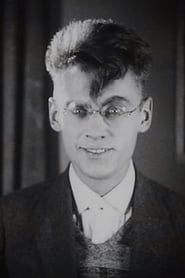
Vladimir Fogel
Actor
Born: February 14, 1902 in Moscow, Russian Empire Died: November 16, 1929 Active: 1925-1928 Birth Name: Vladimir Vladimirovich Fogel
Films
7 films

About Vladimir Fogel
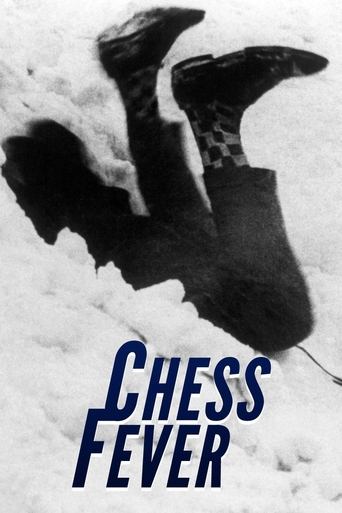
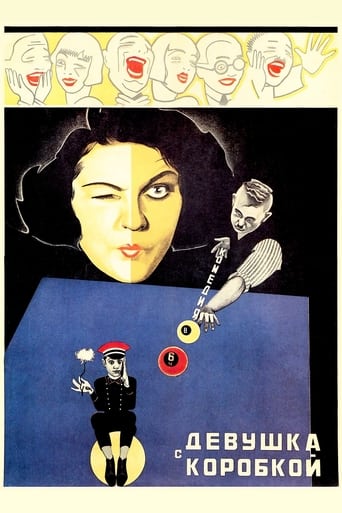
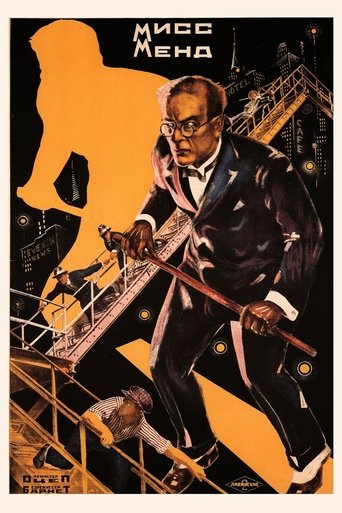
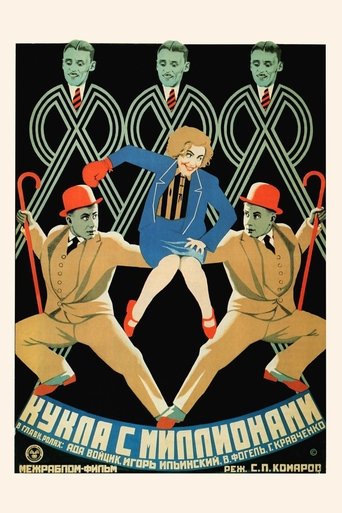
Vladimir V. Fogel — Soviet silent-film actor whose short but highly memorable career made him one of the distinctive screen faces of the 1920s avant-garde and popular cinema alike. Born in Moscow, he came of age during the revolutionary period and entered the film industry in the mid-1920s, a time when Soviet cinema was rapidly developing a new visual language. Fogel became known for his sharp, expressive features, nimble physical timing, and the ability to move between comedy, satire, and pathos without losing credibility. Vladimir appears in a number of important films of the era, including Chess Fever, Miss Mend, The Case of the Three Million, The Girl with the Hat Box, and Bed and Sofa, working with major directors of the period such as Vsevolod Pudovkin and Boris Barnet. His roles often embodied the modern, restless, urban Soviet character, and he was especially effective in ensembles where rapid editing and visual humor were central. Despite his promise and strong reputation during the silent era, his career was brief, and he died young in the late 1920s, leaving behind a compact but significant body of work that remains important in histories of early Soviet cinema.
The Craft
On Screen
Fogel's acting style was rooted in silent-era physical expressiveness, with a natural gift for facial nuance, comic reaction, and agile body language. He was especially effective in ensembles and fast-moving narratives, where he could register confusion, vanity, anxiety, or romantic awkwardness with minimal gestures. Rather than relying on broad pantomime alone, he often used controlled, precise movement and alert facial responses that matched the rhythm of Soviet montage and cinematic comedy. His screen persona could be witty and slightly neurotic, which made him well suited to modern urban roles and socially observant satire.
Milestones
- Became a notable screen presence in Soviet silent cinema during the mid-1920s
- Appeared in Chess Fever, one of the best-known early Soviet comedy shorts
- Played memorable parts in adventure and satire films such as Miss Mend and The Case of the Three Million
- Worked in
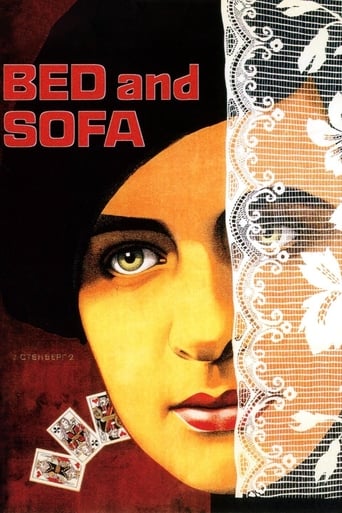
- Delivered one of his best-known performances in Bed and Sofa, a landmark of Soviet social drama
Best Known For
Iconic Roles
Must-See Films
Working Relationships
Worked Often With
Studios
Why They Matter
Impact on Culture
Vladimir Fogel occupies an important place in the cultural memory of Soviet silent cinema because he helped give personality and modernity to the period's comic and social films. His performances are often remembered for their sharp timing and for the way they helped characterize the rapidly changing urban world depicted in Soviet screen stories of the 1920s. In films such as Bed and Sofa, he contributed to the frank, humane, and socially observant tone that made the best Soviet silent dramas stand out internationally. Even though he was not a long-lived star in the manner of later film icons, his work is still cited in discussions of the artistic richness of the silent period and the range of acting styles that flourished before synchronized sound reshaped performance.
Lasting Legacy
Fogel's legacy lies in the fact that he represents the generation of Soviet silent actors who helped define the expressive possibilities of the medium during its most inventive decade. His surviving films continue to be studied for their combination of performance, editing, and social observation, and he is remembered as one of the reliable and versatile actors who could bridge comedy, melodrama, and political satire. Because his career was brief, his filmography has a concentrated historical value: each appearance helps illustrate the evolving language of Soviet cinema in the 1920s. In film history, he remains a recognizable name for viewers and scholars interested in the human texture of silent Soviet screen acting.
Who They Inspired
Fogel influenced the performance style of early Soviet screen acting by showing how a silent actor could be both highly stylized and psychologically legible. His work in ensemble-driven comedies and dramas helped establish a model of the agile, observant urban performer who could carry narrative meaning through reaction shots and physical precision. Later historians and cinephiles value him as part of the generation that shaped the acting vocabulary of Soviet montage cinema, even if his direct influence on named later performers is difficult to document. His performances remain an example of how silent actors could balance realism, satire, and visual wit.
Off Screen
Reliable public information about Fogel's private life is limited, especially compared with later film personalities whose careers extended into the sound era. He is chiefly documented through his film work and through surviving references in histories of Soviet silent cinema. Available sources generally emphasize his professional accomplishments rather than marriages, family relationships, or domestic biography. Because he died young, there is little widely circulated record of a long personal or private life in the public domain.
Education
Specific formal education details are not widely documented in commonly available film histories.
Did You Know?
- He was born in Moscow, which placed him at the center of the Russian cultural world that later became the Soviet film industry.
- His career was concentrated almost entirely in the silent era, before the widespread adoption of synchronized sound in Soviet cinema.
- He appeared in both comedy and socially pointed drama, showing unusual range for such a brief career.
- Chess Fever is one of his best-known titles and remains an important entry point for viewers discovering early Soviet comedy.
- Bed and Sofa is frequently discussed in film history for its frankness and emotional complexity, and Fogel's involvement links him to one of the era's landmark films.
- He died at only 27 years old, cutting short a promising career.
- His surviving reputation is based more on film history than on celebrity publicity, which is typical for many silent-era Soviet actors.
- He worked during.
Frequently Asked Questions
Who was Vladimir Fogel?
Soviet silent-film with credits in this catalog. He became known for expressive, agile performances in comedy and social drama, and he appeared in several important films of early Soviet cinema.
What films is Vladimir Fogel best known for?
Titles linked here include Chess Fever (1925), Miss Mend (1926).
When was Vladimir Fogel born and when did he die?
Born February 14, 1902; died November 16, 1929.
What awards did Vladimir Fogel win?
There are no major awards, nominations, or official honors that are consistently documented for him in standard film references. His recognition comes primarily from the historical importance of the films he appeared in.
What was Vladimir Fogel's acting style?
Fogel's acting style was rooted in silent-era expressiveness, with careful facial reaction, precise movement, and strong comic timing. He was especially effective in ensemble scenes and in roles that required a mix of humor, awkwardness, and emotional nuance.
What is Vladimir Fogel's legacy in film history?
His legacy is that of a distinctive silent-era Soviet actor who helped define the look and rhythm of 1920s screen performance. Though his career was brief, he remains remembered through landmark films that are still studied and screened internationally.