Bed and Sofa
"Changes at the edge"
Keys: Space play/pause · ←/→ 10s · F fullscreen · M mute · </> speed
About this film
Life changes for a Moscow couple after they allow an old friend of the husband’s to move in.
Cast & crew
More films like this
More Comedy films
View all →







More from Abram Room
View all →
More about this film
About the production
Release dateOctober 17, 1927
Box officeUnknown - Soviet films of this era were not tracked by box office metrics
ProductionSovkino (Госкино)
Filmed inMoscow studios, Moscow streets
The film was shot during a period of relative artistic freedom in Soviet cinema before Stalin's cultural restrictions tightened. Director Abram Room was part of the avant-garde movement in Soviet film. The cramped apartment set was meticulously designed to reflect the real housing shortages in Moscow during the NEP (New Economic Policy) period. The film's controversial content required careful navigation of Soviet censorship boards, though it ultimately passed with minimal cuts.
Themes
Sexual freedom and repressionWomen's independence and autonomyUrban housing crisisLove triangle dynamicsMale friendship and betrayal
Themes & topics
love triangleMoscowapartmentinfidelitypregnancyhousing shortagemenage a troisindependent womanfriendshipbetrayalsilent filmSoviet cinemaNEP periodurban lifeworking class
Historical background
Made in its country of production around 1927, Bed and Sofa belongs to the late silent period. Its story of life changes for a moscow couple after they allow an old friend of the husband’s to move in spoke to audiences of the day through familiar genres and topical settings.
Why this film matters
Archivists and historians still cite Bed and Sofa when tracing how the late silent period filmmakers staged life and changes on screen.
Making of
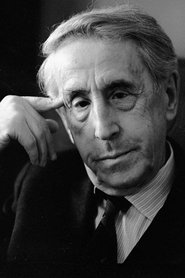
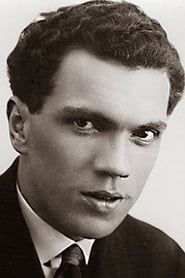
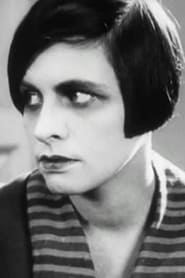
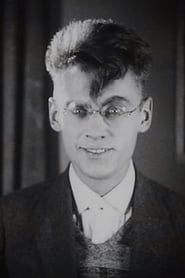
The production faced significant challenges from Soviet censorship authorities due to its controversial themes. Director Abram Room had to defend the film's artistic merit and social commentary against accusations of bourgeois decadence. The casting was particularly important - Nikolai Batalov (Kolya) was already a established star, while Lyudmila Semyonova (Lyuda) was relatively new to film but brought a remarkable naturalism to her performance. Vladimir Fogel (Volodya), known for his comic roles, brought a subtle complexity to what could have been a straightforward antagonist. The cramped apartment set was so realistic that many viewers believed it was an actual Moscow apartment. The film's editing style, influenced by Soviet montage theory, was innovative in its use of quick cuts to build tension during confrontations. The production team worked closely with housing experts to accurately depict the living conditions of working-class Moscow residents during the NEP period.
What critics said
Reviews from 1927 weighed Bed and Sofa on pacing, performance, and novelty. Later criticism reads its emphasis on life, changes, moscow through modern standards of craft and representation.
Did you know?
- The film's Russian title 'Tretya Meshchanskaya' translates to 'The Third Meshchanskaya,' referring to the street address where the apartment was located, not a third person as commonly misunderstood
- Considered extremely controversial for its time due to its frank depiction of sexuality and suggestion of a ménage à trois
- The film was banned in several countries including the United Kingdom and United States for decades
- Director Abram Room was only 27 years old when he made this groundbreaking film
- The film was nearly lost but was preserved and restored by the Gosfilmofond archive in Russia
- It was one of the first Soviet films to deal openly with themes of sexual freedom and women's independence
- The bathroom scene was particularly scandalous as it showed Lyuda in a state of undress, unheard of in cinema of the era
- The film's international success was unusual for a Soviet production of the 1920s
- Screenwriter Viktor Shklovsky was a prominent formalist critic and theorist
- The film's release coincided with the tenth anniversary of the Russian Revolution
Awards & recognition
- Named one of the 100 most important films of world cinema by the International Federation of Film Archives (FIAF)
- Recognized as a milestone of Soviet cinema by the Museum of Modern Art (MoMA)
Visual style
The cinematography by Grigory Giber was innovative in its use of close-ups to convey psychological states and its mobile camera work within the confined apartment space. The film employs sophisticated techniques including deep focus within the cramped set to show multiple characters' reactions simultaneously. The camera often adopts subjective viewpoints, particularly during scenes of tension between the three main characters. The use of mirrors and reflections throughout the film creates visual metaphors for the characters' divided loyalties and self-reflection. The lighting design emphasizes the claustrophobic nature of the apartment, with shadows used to create psychological tension. The film's visual style balances Soviet montage influences with more subtle, psychological approaches to filmmaking that would become more common in the 1930s.
Innovations
The film was notable for its innovative use of montage to convey psychological tension and its sophisticated approach to narrative structure within the constraints of silent cinema. The production design created a remarkably realistic and detailed apartment set that became a character in itself. The film's editing techniques, particularly during the confrontation scenes, influenced later psychological dramas. The use of location shooting in Moscow streets added authenticity rarely seen in Soviet studio productions of the era. The film's preservation represents a technical achievement in itself, with restorers working from multiple incomplete prints to reconstruct the most complete version possible.
Music
As a silent film, Bed and Sofa would have been accompanied by live musical performance during its original theatrical run. The exact compositions used are not documented, but theaters typically used classical pieces or specially compiled scores. Modern restorations have featured new musical scores, including a notable composition by Michael Nyman for the 1990s restoration. The 2005 Criterion Collection release included a score by Robert Israel that incorporated Russian folk melodies and period-appropriate classical music. The film's rhythmic editing and visual pacing suggest it was designed to work with musical accompaniment that could enhance its emotional and dramatic moments.
Famous quotes
There's room for three in this apartment, but only two in this bed" (intertitle)
I won't be a burden to either of you" (Lyuda's final intertitle)
A sofa is not a home" (Volodya's intertitle)
Friendship is tested by proximity" (Kolya's intertitle)
Memorable scenes
- The tense dinner scene where the three characters navigate their changing relationships while eating in the cramped space
- The bathroom scene where Lyuda's vulnerability and the men's reactions create palpable tension
- The final confrontation where both men must confront their roles in the situation
- Lyuda's decision to leave both men, a remarkably feminist moment for 1920s cinema
- The opening shots establishing the claustrophobic apartment setting
What audiences thought
Initial Soviet audience reception was mixed, with some viewers shocked by the film's frank treatment of sexuality while others appreciated its realistic depiction of Moscow life. The film generated significant discussion in Soviet newspapers and magazines about its social implications. In international markets, where it was eventually shown, audiences were often surprised by the sophistication of Soviet cinema beyond the political epics they expected. Modern audiences at film festivals and revival screenings have responded enthusiastically to the film's psychological complexity and surprisingly contemporary themes. The film's availability on home video and streaming platforms has introduced it to new generations of viewers, who often comment on how relevant its exploration of relationships and living conditions remains today.
Film connections
Influenced by
- German Expressionist cinema
- Soviet montage theory
- Psychological realist literature
- Fyodor Dostoevsky's psychological novels
- Contemporary Soviet plays about urban life
This film influenced
- L'Age d'Or (1930)
- The Rules of the Game (1939)
- Jules and Jim (1962)
- The Last Picture Show (1971)
- Husbands and Wives (1992)
- Y Tu Mamá También (2001)
Film restoration
The film was considered partially lost for decades but has been restored by the Gosfilmofond Russian State Archive. The most complete version runs 78 minutes, though some scenes may still be missing. The restoration work involved combining elements from multiple prints found in various archives. The Criterion Collection released a restored version on DVD and Blu-ray in 2005. The film is now preserved in several major film archives including the Museum of Modern Art and the British Film Institute.
Where to watch
- Criterion Collection (Blu-ray/DVD)
- The Criterion Channel (streaming)
- Kino Classics (DVD)
- Mubi (streaming - periodic availability)
- Various public domain streaming sites
- Film archives and cinematheques with screening programs