Films
1 film
About Yelena Sokolova
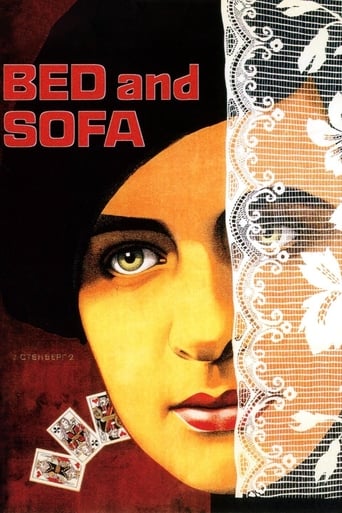
Soviet actress active during the late 1920s, best known for her memorable performance as Ludmilla in Abram Room's 1927 silent film 'Bed and Sofa' (Третья Мещанская). Her portrayal of the wife caught in a complex love triangle was considered bold and naturalistic for its time, contributing significantly to the film's controversial reputation. Sokolova's performance demonstrated the emerging realist acting style in Soviet cinema, moving away from the theatrical traditions of earlier Russian film. Her career appears to have been brief but impactful, with 'Bed and Sofa' serving as her primary and most notable film work. The film itself became discussed Soviet productions of the late 1920s due to its frank treatment of sexual themes and modern relationships. Despite her limited filmography, Sokolova's contribution to this important work of Soviet cinema has ensured her place in film history. Her performance remains studied by film scholars interested in early Soviet cinema and the evolution of realistic acting techniques.
The Craft
On Screen
Naturalistic and understated, representing the shift towards realism in late 1920s Soviet cinema. Her performance avoided the exaggerated gestures common in earlier silent films, instead favoring subtle emotional expression through facial expressions and body language.
Milestones
- Starred in 'Bed and Sofa' (1927),
- Delivered a naturalistic performance in Soviet silent cinema
- Participated in a film that pushed boundaries regarding sexual themes in Soviet media
Best Known For
Iconic Roles
Must-See Films
Working Relationships
Worked Often With
Studios
Why They Matter
Impact on Culture
Yelena Sokolova's performance in 'Bed and Sofa' contributed to the film's status as a landmark in Soviet cinema history. The film's bold exploration of a ménage à trois relationship and its frank treatment of sexuality made it controversial but also influential in pushing the boundaries of what could be depicted in Soviet cinema. Her naturalistic acting style helped demonstrate the possibilities of realistic performance in silent film, influencing subsequent generations of Soviet actors. The film itself has been studied extensively by film historians and is considered an important example of Soviet avant-garde cinema from the late 1920s.
Lasting Legacy
Though her film career was brief, Yelena Sokolova's legacy is preserved through her performance in 'Bed and Sofa,' which continues to be screened at film festivals and studied in cinema courses worldwide. The film has been recognized by the Criterion Collection and is considered essential viewing for understanding the evolution of Soviet cinema. Her performance represents an important moment in the development of realistic acting techniques in silent film, particularly within the context of Soviet cinema's artistic experimentation during the 1920s.
Who They Inspired
Sokolova's naturalistic approach to performance in 'Bed and Sofa' exemplified the shift towards realism that would become more prominent in Soviet cinema during the late 1920s and early 1930s. Her work demonstrated how subtle, understated performances could effectively convey complex emotional and psychological states in silent film, influencing subsequent approaches to acting in Soviet cinema.
Off Screen
Very limited biographical information is available about Yelena Sokolova's personal life, which was common for many Soviet actors from the 1920s who had brief film careers or were primarily stage actors.
Did You Know?
- 'Bed and Sofa' was initially controversial in the Soviet Union due to its frank treatment of sexual themes
- The film's Russian title 'Третья Мещанская' translates to 'The Third Meshchanskaya Street'
- Sokolova's co-star Nikolai Batalov was also a prominent stage actor at the Moscow Art Theatre
- The film was banned in several countries upon its international release
- Director Abram Room was relatively unknown before this film, which became his breakthrough work
- The film was rediscovered by Western audiences in the 1970s and gained new appreciation
- Sokolova's performance was praised for its naturalism at a time when many silent film performances were still theatrical
- The film was one of the few Soviet productions of the 1920s to deal openly with sexual freedom and modern relationships
Frequently Asked Questions
Who was Yelena Sokolova?
Soviet actress from the late 1920s, best known for her role as Ludmilla in the controversial silent film 'Bed and Sofa' (1927). Her career appears to have been brief but significant, with this film being her primary contribution to cinema.
What films is Yelena Sokolova best known for?
Titles linked here include Bed and Sofa (1927).
When was Yelena Sokolova born and when did she die?
Specific birth and death dates for Yelena Sokolova are not available in historical records, which is common for many Soviet actors from the 1920s who had brief film careers. She was active during the year 1927.
What awards did Yelena Sokolova win?
There are no recorded awards or nominations for Yelena Sokolova, which was typical for many Soviet actors of the silent era. Recognition for her work has come primarily through film historians' appreciation of her performance in 'Bed and Sofa'.
What was Yelena Sokolova's acting style?
Sokolova's acting style was notably naturalistic and understated, representing the shift toward realism in late 1920s Soviet cinema. Her performance avoided theatrical exaggeration common in earlier silent films, instead using subtle expressions and gestures to convey emotion.
Why was 'Bed and Sofa' controversial?
'Bed and Sofa' was controversial due to its frank treatment of sexual themes and its depiction of a ménage à trois relationship, which was unusual for Soviet cinema of the 1920s. The film's exploration of sexual freedom and modern relationships pushed boundaries of what was acceptable in Soviet media.