Boris Shlikhting
Actor
Born: 1898 in Moscow, Russian Empire Died: 1942 Active: 1924-1938
Films
5 films
About Boris Shlikhting
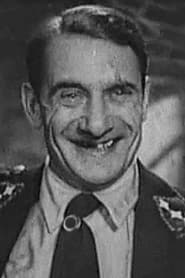
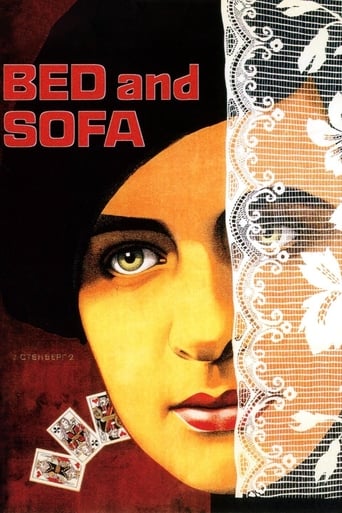
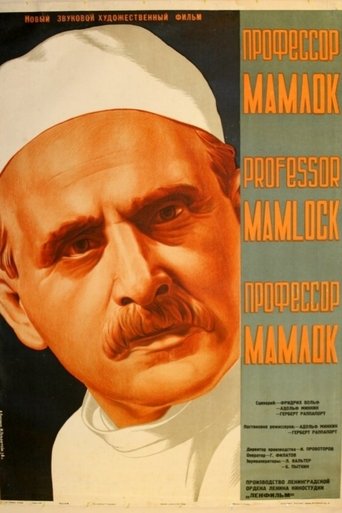
Soviet actor who worked during the formative years of Soviet cinema, appearing in both silent films and early sound productions. His screen career ran from 1924 to 1938, covering the transition from silent to sound cinema in the Soviet Union. He gained recognition for his roles in several significant Soviet films of the era, most notably in Abram Room's controversial masterpiece 'Bed and Sofa' (1927), which explored themes of sexuality and relationships in post-revolutionary Moscow. Shlikhting's filmography reflects his versatility as a character actor, appearing in various genres from social dramas to adventure films. His performance in 'Professor Mamlock' (1938) demonstrated his ability to tackle serious dramatic roles during a period when Soviet cinema was increasingly subject to ideological control. Like many actors of his generation, his career was cut short by the political purges of the late 1930s, and little information survives about his later life or circumstances of his death.
The Craft
On Screen
Shlikhting was known for his naturalistic acting style, which was relatively progressive for Soviet cinema of the 1920s. He avoided the exaggerated gestures common in silent film acting, instead favoring subtle facial expressions and body language. His performances often conveyed complex emotions through minimal movement, reflecting the influence of Russian theatrical traditions.
Milestones
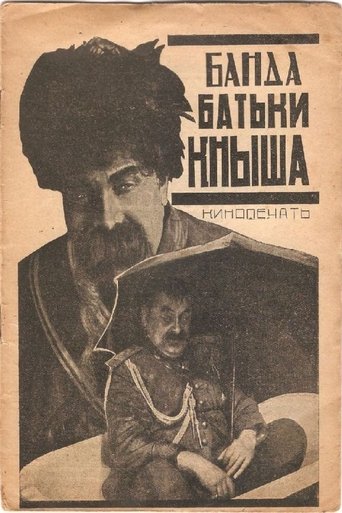
- Breakthrough role in 'Banda batki Knysha' (1924)
- Notable performance in 'Bed and Sofa' (1927), a classic of Soviet silent cinema
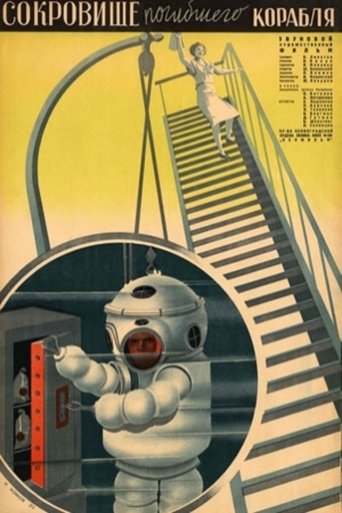
- Role in 'Treasure of the Wrecked Vessel' (1935)
- Final film appearance in 'Professor Mamlock' (1938)
Best Known For
Iconic Roles
Must-See Films
Working Relationships
Worked Often With
Studios
Why They Matter
Impact on Culture
Boris Shlikhting contributed to the development of Soviet cinema during its crucial formative period, particularly through his work in films that pushed social and artistic boundaries. His appearance in 'Bed and Sofa' placed him in the context of. Though not a major star, his work as a character actor helped populate the emerging Soviet film landscape with authentic performances that reflected the social realities of post-revolutionary Russia.
Lasting Legacy
Shlikhting's legacy is preserved through his surviving film performances, particularly in 'Bed and Sofa', which continues to be studied by film scholars as an important example of early Soviet avant-garde cinema. His career represents the trajectory of many working actors in early Soviet cinema - talented artists who contributed to the medium's development but whose individual stories were largely lost to history due to the political turmoil of the era and limited documentation of lesser-known performers.
Who They Inspired
As a character actor rather than a leading star, Shlikhting's direct influence on other performers was likely limited. However, his naturalistic acting style contributed to the broader movement toward realism in Soviet cinema during the 1920s, which influenced subsequent generations of Soviet actors who moved away from theatrical traditions toward more nuanced screen performances.
Off Screen
Very little documented information survives about Boris Shlikhting's personal life, which was common for Soviet actors of his generation who were not major stars. Like many artists working in the Soviet Union during the 1930s, his life was likely affected by the political climate and increasing government control over the arts.
Education
Likely attended theatrical training in Moscow during the early 1920s, though specific details are not documented in available sources.
Did You Know?
- Appeared in 'Bed and Sofa' (1927),
- His active years covered the critical transition from silent to sound cinema in the Soviet Union
- Worked during the Stalinist era when Soviet cinema was subject to strict ideological control
- Like many Soviet actors of his generation, detailed biographical information about him is scarce
- His final film appearances came in 1938, the year of intensified political purges in the USSR
- The film 'Professor Mamlock' (1938) in which he appeared was one of the first Soviet films to directly address anti-Semitism
- His filmography reflects the range of genres being produced in Soviet cinema during the 1920s-30s
Frequently Asked Questions
Who was Boris Shlikhting?
Screen credits include several notable Soviet films, most famously 'Bed and Sofa' (1927). He worked during the transition from silent to sound cinema and was known for his naturalistic acting style.
What films is Boris Shlikhting best known for?
Titles linked here include Bed and Sofa (1927), Professor Mamlock (1938).
When was Boris Shlikhting born and when did he die?
Born 1898; died 1942.
What awards did Boris Shlikhting win?
There are no documented awards or honors for Boris Shlikhting, which was common for character actors working in Soviet cinema during his era.
What was Boris Shlikhting's acting style?
Shlikhting was known for his naturalistic acting style, avoiding the exaggerated gestures typical of silent film era. He favored subtle expressions and minimal movement, reflecting influences from Russian theatrical traditions.
Why is 'Bed and Sofa' significant in Shlikhting's career?
'Bed and Sofa' (1927) is considered Shlikhting's most significant film work as it's regarded as a masterpiece of Soviet silent cinema. The film was controversial for its time due to its frank treatment of sexuality and relationships in post-revolutionary Moscow.