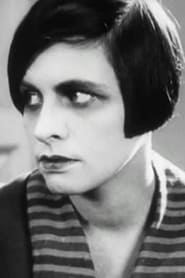
Lyudmila Semyonova
Actor
Born: May 25, 1899 in Moscow, Russian Empire Died: September 28, 1971 Active: 1925-1944 Birth Name: Lyudmila Pavlovna Semyonova
Films
5 films

About Lyudmila Semyonova
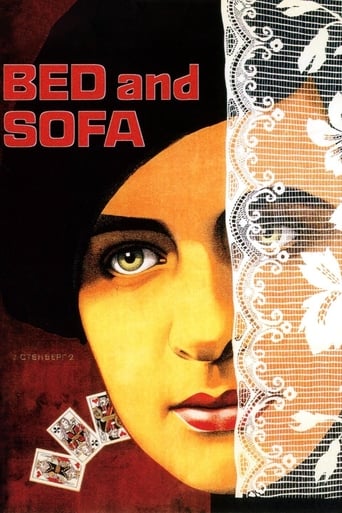
Lyudmila Pavlovna Semyonova — prominent Soviet actress whose the pivotal transition from silent cinema to early sound films in Soviet Russia. She began her film career in the mid-1920s and quickly gained recognition for her compelling performances in socially conscious Soviet productions. Her breakthrough role came in Abram Room's controversial 1927 film 'Bed and Sofa' (Третья Мещанская), where she portrayed Lyuda, a woman caught in a complex love triangle that challenged traditional Soviet morality. Throughout the late 1920s and 1930s, Semyonova continued to work with prominent Soviet directors, appearing in both dramatic roles and films that aligned with the socialist realist aesthetic favored by the Soviet state. Her performance in 'Fragment of an Empire' (1929) demonstrated her ability to convey deep emotional complexity during the transition to sound cinema. Despite the increasing political pressures on Soviet artists during the Stalin era, she maintained her career through the 1940s, though her later roles were often in more ideologically conformist productions. Her final notable appearance was in the 1944 war film 'Jubilee', after which she gradually retreated from the public eye as the Soviet film industry entered a new post-war phase.
The Craft
On Screen
Semyonova was known for her naturalistic and emotionally nuanced performances that stood out during the often theatrical style of early Soviet cinema. Her acting combined subtle facial expressions with powerful physical presence, particularly effective in silent films where gesture and expression were paramount. In 'Bed and Sofa,' she brought remarkable psychological depth to her character, portraying a woman's emotional journey with subtlety that was revolutionary for its time. Her transition to sound cinema demonstrated her versatility, as she adapted her style to incorporate vocal performance while maintaining her signature emotional authenticity. Critics noted her ability to convey complex social and personal conflicts through understated yet powerful performances that resonated with Soviet audiences while also appealing to international viewers.
Milestones
- Breakthrough role in 'Bed and Sofa' (1927) which became an international sensation
- Leading role in 'Fragment of an Empire' (1929), one of the last major Soviet silent films
- Transition to sound cinema in the early 1930s
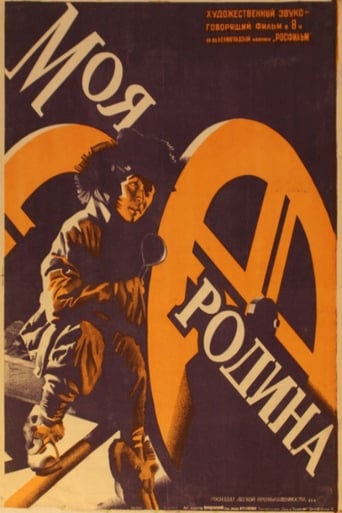
- Performance in 'My Motherland' (1933) during the rise of socialist realism
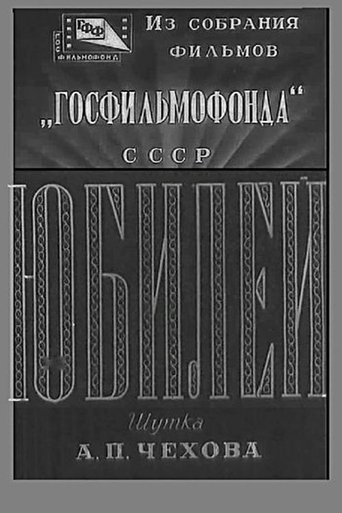
- Final major role in 'Jubilee' (1944) during World War II
Best Known For
Iconic Roles
Must-See Films
Accolades
Won
- Honored Artist of the RSFSR (1935)
Special Recognition
- Recognition at international film festivals for 'Bed and Sofa'
- Cited in Soviet cinema history texts as a actress of the silent era
- Posthumous recognition in Russian film retrospectives
Working Relationships
Worked Often With
Studios
Why They Matter
Impact on Culture
Lyudmila Semyonova's most significant cultural impact came through her groundbreaking performance in 'Bed and Sofa,' which challenged Soviet and international audiences with its frank portrayal of sexuality and gender dynamics. The film was controversial yet celebrated, particularly in Europe and the United States, where it was seen as evidence of Soviet artistic innovation. Her portrayal of a woman asserting her independence in a patriarchal society resonated with feminist film critics decades later, and the film is now studied in cinema courses worldwide as a masterpiece of silent cinema. Semyonova's ability to convey complex female psychology helped establish a new standard for women's roles in Soviet cinema, moving beyond the simplistic revolutionary heroines that dominated early Soviet films. Her work during the transition to sound demonstrated how silent film techniques could evolve rather than be discarded, influencing subsequent generations of Soviet actors.
Lasting Legacy
Lyudmila Semyonova is remembered as. Her performance in 'Bed and Sofa' has endured as a landmark of silent cinema, frequently cited in film scholarship for its psychological depth and naturalistic style. The film's restoration and international revival in the 21st century has brought renewed attention to Semyonova's contribution to world cinema. Russian film historians recognize her as part of the first generation of professionally trained Soviet film actors who helped establish acting techniques specific to the medium of cinema. Her career trajectory also serves as a case study in how artists navigated the shifting political and artistic demands of Soviet cultural policy from the experimental 1920s through the Stalin era.
Who They Inspired
Semyonova's naturalistic acting style influenced subsequent generations of Soviet actors, particularly in how she blended psychological realism with the demands of socialist realism. Her work demonstrated that it was possible to maintain artistic integrity while working within the Soviet system, a lesson that inspired younger actors facing similar challenges. International filmmakers, particularly those interested in Soviet cinema, studied her performances as examples of how silent film acting could achieve profound emotional resonance without melodramatic excess. Her approach to portraying complex female characters paved the way for more nuanced representations of women in Soviet cinema, even as ideological constraints increased. Contemporary Russian actresses who have worked on historical films about the early Soviet period often cite Semyonova as an inspiration for period-appropriate acting techniques.
Off Screen
Lyudmila Semyonova led a relatively private life outside of her film career, which was common for Soviet artists of her generation. She married fellow actor Nikolai Kryukov in 1928, with whom she sometimes appeared on screen. The couple had one daughter, Elena, who also pursued a career in the arts. During the 1930s, as political pressures intensified in the Soviet Union, Semyonova carefully navigated the demands of the state film industry while maintaining her artistic integrity. She was known among colleagues for her professionalism and dedication to her craft, though she rarely gave interviews or participated in the public aspects of Soviet cultural life. After her retirement from acting in the mid-1940s, she lived quietly in Moscow, occasionally teaching acting classes to young performers and sharing her experiences from the golden age of Soviet cinema.
Education
Graduated from the State Institute of Cinematography (VGIK) in 1925, studied under prominent Soviet acting teachers including Vsevolod Meyerhold's influence in the experimental theater movement
Family
- Nikolai Kryukov (1928-1960)
Did You Know?
- 'Bed and Sofa' was initially banned in several countries for its controversial themes but is now considered a masterpiece of world cinema
- The film's international success made Semyonova one of the first Soviet actresses to gain recognition outside the USSR
- Her performance in 'Bed and Sofa' was particularly praised for its subtle depiction of female desire, rare in 1920s cinema
- Semyonova was one of the few Soviet actresses of her generation to successfully transition from silent to sound films
- During World War II, she participated in entertainment units that performed for Soviet soldiers at the front
- After retiring from films, she worked as a drama coach at the Moscow Art Theater School
- Her marriage to Nikolai Kryukov was considered
- The original negative of 'Bed and Sofa' was nearly destroyed during the siege of Leningrad but was saved by archivists
- Semyonova was known for refusing to join the Communist Party, which limited some of her career opportunities in the 1930s
- Her daughter Elena became a prominent theater director, continuing the family's artistic legacy
In Their Own Words
In silent film, the eyes must speak what the lips cannot say - this is the true art of cinema.
We were not just making films; we were building a new world, and every character had to serve that purpose.
The transition to sound was difficult for many of us, but cinema is cinema, whether with words or without.
To play a Soviet woman was to play the future itself - we carried the hopes of our entire country on the screen.
Frequently Asked Questions
Who was Lyudmila Semyonova?
Prominent Soviet actress active from 1925 to 1944, best known for her role in the groundbreaking silent film 'Bed and Sofa.' She was one of the first generation of professionally trained Soviet film actors and successfully transitioned from silent to sound cinema during a pivotal period in Russian film history.
What films is Lyudmila Semyonova best known for?
Titles linked here include Bed and Sofa (1927), Fragment of an Empire (1929).
When was Lyudmila Semyonova born and when did she die?
Born May 25, 1899; died September 28, 1971.
What awards did Lyudmila Semyonova win?
She was awarded the title of Honored Artist of the RSFSR (Russian Soviet Federative Socialist Republic) in 1935, which was a significant recognition for Soviet cultural figures. Her films also received international recognition at various film festivals.
What was Lyudmila Semyonova's acting style?
Semyonova was known for her naturalistic and emotionally nuanced performances, characterized by subtle facial expressions and powerful physical presence. She brought psychological depth to her roles, particularly effective in silent films, and successfully adapted her style for sound cinema while maintaining emotional authenticity.