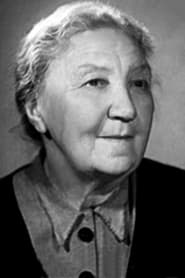
Mariya Yarotskaya
Actor
Born: 1900 in Moscow, Russian Empire Died: null Active: 1927-1940 Birth Name: Mariya Ivanovna Yarotskaya
Films
4 films

About Mariya Yarotskaya
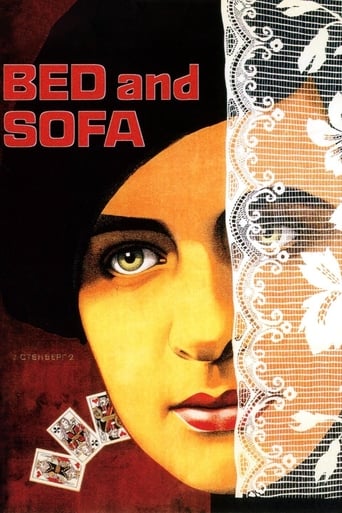
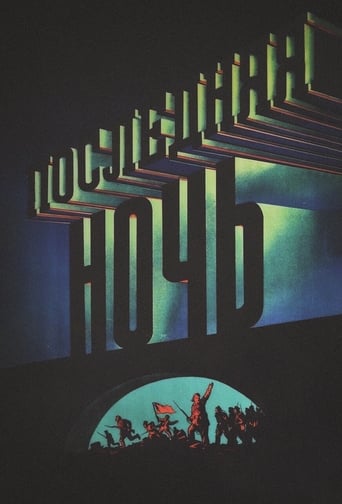
Prominent Soviet actress who emerged during the revolutionary period of Soviet cinema in the 1920s. She began her career during the silent era with her notable debut in Abram Room's film 'Bed and Sofa' (1927), which explored controversial themes of sexual relationships in post-revolutionary Moscow. Yarotskaya's naturalistic acting style was well-suited to the new Soviet realist aesthetic that emphasized authentic human experiences over theatrical melodrama. Throughout the 1930s, she successfully transitioned to sound films, appearing in several notable productions including 'Anna' (1936) and 'The Last Night' (1936), which showcased her versatility as both a dramatic and character actress. Her final film appearance was in 'The Beloved' (1940), after which her career appears to have ended, possibly due to the changing political climate in Soviet cinema during the Stalin era. Yarotskaya's body of work represents an important bridge between the experimental Soviet silent cinema of the 1920s and the more ideologically controlled socialist realist films of the late 1930s and early 1940s.
The Craft
On Screen
Naturalistic and understated performance style, characteristic of Soviet realist cinema. Yarotskaya avoided theatrical exaggeration common in earlier Russian cinema, instead favoring subtle emotional expression and authentic human behavior. Her performances were marked by psychological depth and a keen understanding of ordinary people's struggles and desires.
Milestones
- Breakthrough role in 'Bed and Sofa' (1927)
- Successful transition from silent to sound films
- Key roles in Soviet cinema of the 1930s
- Collaboration with prominent Soviet directors
Best Known For
Iconic Roles
Must-See Films
Working Relationships
Worked Often With
Studios
Why They Matter
Impact on Culture
Mariya Yarotskaya contributed to the development of Soviet cinema's realist tradition, helping establish a more naturalistic acting style that departed from the theatrical conventions of pre-revolutionary Russian film. Her work in 'Bed and Sofa' was particularly significant as the film addressed contemporary social issues and relationships in post-revolutionary Soviet society, representing the bold experimentation of 1920s Soviet cinema before Stalinist restrictions took hold.
Lasting Legacy
While less internationally known than some of her contemporaries, Yarotskaya's filmography represents an important chapter in Soviet cinema history. Her performances in films like 'Bed and Sofa' continue to be studied by film historians as examples of early Soviet realist acting and the period's willingness to tackle controversial social themes. Her career trajectory also illustrates the challenges faced by Soviet artists during the transition from the experimental 1920s to the more ideologically rigid 1930s.
Who They Inspired
Yarotskaya's naturalistic acting approach influenced subsequent generations of Soviet actors who sought to portray authentic human experiences within the constraints of socialist realism. Her work helped demonstrate how subtle, psychologically grounded performances could serve both artistic and ideological goals in Soviet cinema.
Off Screen
Limited information is available about Mariya Yarotskaya's personal life, which was common for Soviet actors of her generation who often kept their private affairs out of public view. Her active years covered a crucial period in Soviet history, from the relative artistic freedom of the 1920s to the increasing ideological control of the 1930s.
Education
Likely trained at one of Moscow's theatrical institutes, though specific details are not documented in available sources.
Did You Know?
- 'Bed and Sofa' (1927) was considered controversial in its time for its frank depiction of a ménage à trois in Moscow
- The film was banned in several countries but praised internationally for its bold approach to social issues
- Yarotskaya's transition to sound films was relatively smooth compared to many silent era actors
- Her career coincided with the golden age of Soviet avant-garde cinema
- Like many Soviet actors of her generation, detailed biographical information remains scarce
- Her final film 'The Beloved' (1940) came just before World War II dramatically changed Soviet cinema
- The films she appeared in are now considered important artifacts of early Soviet cultural history
- Her acting style reflected the Soviet emphasis on portraying the 'new Soviet person'
Frequently Asked Questions
Who was Mariya Yarotskaya?
Soviet actress active from 1927 to 1940, known for her naturalistic acting style and roles in early Soviet cinema. She appeared in both silent and sound films, most notably in the controversial 'Bed and Sofa' (1927).
What films is Mariya Yarotskaya best known for?
Titles linked here include Bed and Sofa (1927), Anna (1936).
When was Mariya Yarotskaya born and when did she die?
Born 1900; died null.
What awards did Mariya Yarotskaya win?
No specific awards or nominations for Mariya Yarotskaya are documented in available sources, which was common for Soviet actors of her generation during the early years of Soviet cinema.
What was Mariya Yarotskaya's acting style?
Yarotskaya was known for her naturalistic and understated performance style, characteristic of Soviet realist cinema. She favored subtle emotional expression over theatrical exaggeration, bringing psychological depth and authenticity to her roles.
Why is 'Bed and Sofa' significant in her career?
'Bed and Sofa' (1927) was Yarotskaya's breakthrough role and. The film's frank treatment of contemporary relationships and social issues was controversial but internationally acclaimed, showcasing Yarotskaya's talent for naturalistic performance.