



The Last Night
"Ballroom mockery before the October guns"
Keys: Space play/pause · ←/→ 10s · F fullscreen · M mute · </> speed
About this film
On one of the October nights at the ball, gymnasium pupils and officers scoff at the love of Kuzma Zakharkin, the “cook's son”, to Lena, the daughter of the manufacturer. Cannon volley interrupts the fun. In the city begins the Moscow armed uprising of workers. At the center of
Cast & crew
More History films
View all →


More from Yuli Raizman
View all →

More about this film
About the production
Release dateApril 13, 1936
ProductionMosfilm
Filmed inMoscow, Soviet Union
The film was produced during Stalin's era when Soviet cinema was heavily regulated and expected to serve as propaganda. Director Yuli Raizman was known for his ability to create compelling narratives within the constraints of socialist realism. The production likely faced the typical challenges of 1930s Soviet filmmaking, including limited resources and strict ideological oversight from state censors. The film's depiction of the October Revolution would have been carefully crafted to align with official Soviet historiography.
Themes
Class struggleRevolutionLove across class boundariesThe inevitability of historical changeThe collapse of bourgeois order
Themes & topics
October RevolutionMoscow uprisingClass conflictPropagandaSocialist realismWorking classBourgeoisieRevolutionary romanceHistorical dramaPolitical transformation
Historical background
The Last Night appeared in 1936, when the studio era between the Great Depression and World War II shaped how movies were financed, distributed, and discussed. Audiences of the day encountered the work amid shifting tastes in acting, pacing, and spectacle. Its focus on on one of the october nights at the ball, gymnasium pupils and officers scoff at the love of kuzma zakharkin, the “cook's son”, to lena, the daughter of the manufacturer mirrors themes circulating in popular culture of that moment.
Why this film matters
The Last Night (1936) belongs to the wider archive of world cinema, documenting on one of the october nights at the. Archivists and historians value such titles for what they reveal about craft, genre, and audience expectations. Restorations and festival screenings keep the work visible to viewers far beyond its first run.
Making of
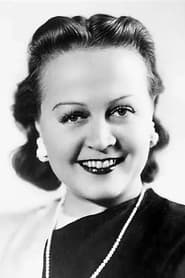
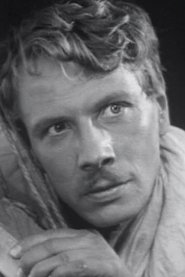
The making of 'The Last Night' took place during a particularly turbulent period in Soviet history. Director Yuli Raizman had to navigate the complex demands of socialist realism, which required films to be realistic in form but revolutionary in content. The casting choices were significant - Ivan Pelttser was known for his authentic portrayals of proletarian characters, while Mariya Yarotskaya brought depth to the role of the bourgeoisie daughter torn between class loyalty and revolutionary ideals. The film's production would have been subject to multiple layers of censorship and approval from state cultural authorities. The battle scenes depicting the Moscow uprising were likely filmed on location or on large studio sets, requiring significant coordination and resources. The cinematography would have employed techniques common to Soviet films of the 1930s, including dramatic lighting to emphasize the moral and political dimensions of the story.
What critics said
Press coverage from 1936 is fragmentary for many titles of this vintage; surviving notices for The Last Night tend to stress novelty, star power, or topical appeal. Later writing places the picture within its national and generic context, weighing both period conventions and moments that still land for modern viewers. Streaming and disc releases have revived discussion among classic-film audiences.
Did you know?
- Director Yuli Raizman was one of the few prominent Soviet directors who managed to maintain a successful career throughout the Stalin era, the Khrushchev thaw, and into the Brezhnev period.
- The film was released during the height of Stalin's purges, when historical narratives about the Revolution were being carefully controlled and rewritten.
- Mosfilm, the studio that produced the film, was and remains Russia's largest and most prestigious film studio.
- The title 'The Last Night' refers to the final night of the old bourgeois order before the establishment of Soviet power.
- 1936 was a significant year in Soviet cinema, marking the establishment of the Stalin Prize for artistic achievements.
- The film's portrayal of class conflict through romantic relationships was a common trope in Soviet propaganda films of the era.
- Actor Ivan Pelttser, who played Kuzma Zakharkin, was a prominent figure in Soviet theater and film known for his portrayal of working-class heroes.
Visual style
The cinematography of 'The Last Night' would have employed techniques characteristic of Soviet cinema in the 1930s. The visual style likely contrasted the opulent, decadent world of the bourgeoisie with the stark, noble simplicity of the working class. Lighting would have been used symbolically, with the ball scenes possibly featuring rich, warm tones for the old order, while the revolutionary scenes might have employed more dramatic, high-contrast lighting to emphasize the struggle and transformation. The camera work during the uprising scenes would have been dynamic and chaotic, conveying the energy and violence of revolution. The film would have followed the compositional principles taught at Soviet film schools, emphasizing clarity of narrative and ideological message through visual means.
Innovations
As a product of the Mosfilm studio in 1936, 'The Last Night' would have benefited from the technical resources of one of the world's most advanced film facilities at the time. The film likely used contemporary sound recording technology, as Soviet cinema had fully transitioned to sound by the mid-1930s. The battle scenes depicting the Moscow uprising would have required sophisticated special effects for the period, including pyrotechnics for the cannon fire and explosions. The production design would have involved detailed recreation of 1917 Moscow, requiring extensive research and craftsmanship. While not groundbreaking in technical terms, the film represents the professional standards achieved by Soviet cinema during this period of state investment in the film industry.
Music
The musical score for 'The Last Night' would have been composed to reinforce the film's emotional and ideological content. Soviet film scores of this period typically used a combination of revolutionary songs, classical music, and original compositions. The ball scenes would have featured music representing the decadent bourgeois culture, while the revolutionary scenes would have been accompanied by stirring, heroic themes. The soundtrack likely included or referenced well-known revolutionary songs that would have been familiar to Soviet audiences. The music would have worked in service of the narrative, underscoring the moral and political dimensions of each scene and helping to guide audience interpretation.
Famous quotes
The old night is ending, a new day is dawning for the working people
Your love cannot bridge the gap between our classes - only revolution can
The cannon fire you hear is the death knell of your world
Memorable scenes
- The ball scene where class tensions erupt through the mockery of Kuzma's love for Lena
- The interruption of the festivities by cannon fire signaling the beginning of the uprising
- The transformation of the sons from both families as they join the revolutionary struggle
What audiences thought
Soviet audiences in 1936 would have received the film as both entertainment and political education. The clear-cut moral narrative and heroic portrayal of revolutionary struggle would have resonated with viewers who had been raised on Soviet ideology. The romantic subplot between Kuzma and Lena would have provided emotional engagement while reinforcing the film's political message. The film's depiction of the October Revolution as a glorious event would have aligned with the official history taught in Soviet schools and celebrated in public ceremonies. While not among the most popular or talked-about films of its year, it likely fulfilled its purpose of reinforcing Soviet values and historical narratives for domestic audiences.
Film connections
Influenced by
- Sergei Eisenstein's 'October' (1928)
- Vsevolod Pudovkin's 'The End of St. Petersburg' (1927)
- The principles of socialist realism as defined by the Soviet state
This film influenced
- Later Soviet films about the Revolution
- Educational films about Soviet history
Film restoration
As a Mosfilm production from 1936, the film was likely preserved in the state film archives. Mosfilm maintained extensive archives of Soviet productions, and films from this period were generally well-preserved due to their cultural and political significance. The film may have been restored or digitized as part of broader efforts to preserve Soviet cinema heritage. However, access to the film may be limited outside of Russia and specialized film archives.
Where to watch
- Russian State Film Archive (Gosfilmofond)
- Mosfilm archives
- Specialized film studies collections at universities
- Potential availability through Russian film streaming services
- Film festivals specializing in classic Soviet cinema