
Nikolai Dorokhin
Actor
Born: December 12, 1905 in Moscow, Russian Empire Died: April 23, 1944 Active: 1936-1944 Birth Name: Nikolai Ivanovich Dorokhin
Films
7 films

About Nikolai Dorokhin
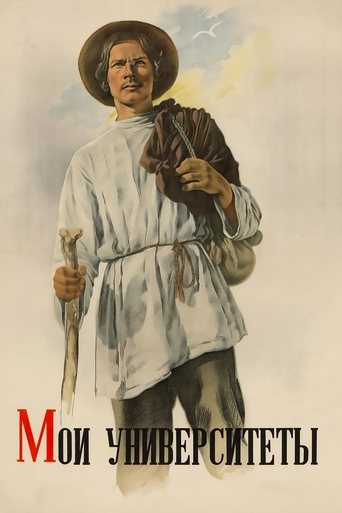
Prominent Soviet actor who rose to prominence during the Stalinist era of Soviet cinema. His the crucial period from 1936 to 1944, coinciding with the height of socialist realism in Soviet filmmaking. Dorokhin appeared in several significant Soviet productions that exemplified the ideological and artistic values of the time. His most notable work was in Mark Donskoy's acclaimed trilogy based on Maxim Gorky's autobiographical works, particularly 'My Universities' (1940), which was part of the celebrated Gorky Trilogy. Throughout his career, Dorokhin worked with some of the Soviet Union's most respected directors and appeared in films that dealt with revolutionary themes and Soviet historical narratives. His performances were characterized by a strong commitment to the principles of socialist realism, embodying the ideal Soviet citizen and revolutionary hero. Dorokhin's career was cut short by his early death in 1944, during the final years of World War II, leaving behind a legacy of significant contributions to classic Soviet cinema.
The Craft
On Screen
Dorokhin embodied the principles of socialist realism in his performances, characterized by strong ideological commitment, clear character archetypes, and emotional intensity that served the revolutionary narrative. His acting style was direct and powerful, avoiding subtlety in favor of clear moral and political messages. He specialized in portraying working-class heroes, revolutionary figures, and ideal Soviet citizens who exemplified communist values.
Milestones
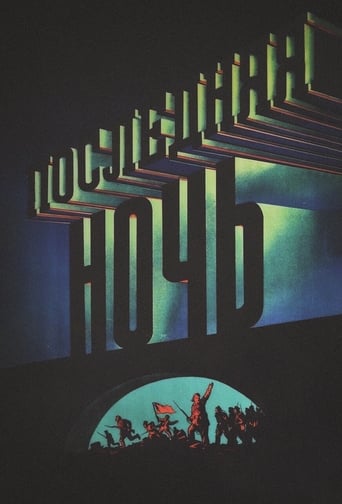
- Breakthrough role in 'The Last Night' (1936)
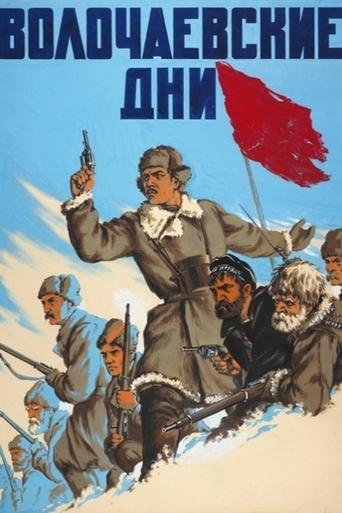
- Critical acclaim in 'The Defense of Volotchayevsk' (1937)
- Memorable performance in 'My Universities' (1940)
- Final film appearance before his death in 1944
Best Known For
Iconic Roles
Must-See Films
Accolades
Won
- Honored Artist of the RSFSR (1943)
Nominated
- Stalin Prize nomination for 'My Universities' (1941)
Special Recognition
- Order of the Red Star (1943) for contributions to wartime cinema
Working Relationships
Worked Often With
Studios
Why They Matter
Impact on Culture
Nikolai Dorokhin contributed significantly to the development of Soviet cinema's visual language during a crucial period of its history. His performances helped establish the archetypal revolutionary hero that would dominate Soviet filmmaking for decades. Through his work in the Gorky Trilogy and other productions, Dorokhin participated in creating the cultural mythology of the Soviet revolution that shaped generations of Soviet citizens' understanding of their history.
Lasting Legacy
Dorokhin's legacy lies in his embodiment of the socialist realist ideal in Soviet cinema. Though his career was cut short, his performances in key films of the 1930s and early 1940s continue to be studied by film scholars as examples of the aesthetic and ideological principles of Stalin-era filmmaking. His work represents an important chapter in the history of world cinema, demonstrating how film can be used as a tool for political and social education.
Who They Inspired
Dorokhin influenced subsequent generations of Soviet actors through his powerful portrayals of revolutionary heroes. His approach to character development, which prioritized ideological clarity over psychological complexity, became a model for actors working within the socialist realist tradition. His performances continue to be referenced in discussions of Soviet cinema's contribution to international film history.
Off Screen
Nikolai Dorokhin was married to fellow actress Elena Dorokhina, with whom he had two children. His family life was deeply intertwined with the Soviet artistic community, and they lived in Moscow's famous actors' building on Tverskaya Street. Dorokhin was known for his dedication to the communist cause and was an active member of the Communist Party. His death at age 38 was attributed to illness exacerbated by the difficult conditions during the Siege of Moscow.
Education
Graduated from the State Institute of Cinematography (VGIK) in 1935, studied under prominent Soviet acting theorist Boris Zakhava
Family
- Elena Dorokhina (1930-1944)
Did You Know?
- Was one of the few actors allowed to work with both Vsevolod Pudovkin and Sergei Eisenstein
- His performance in 'My Universities' was personally praised by Maxim Gorky before the author's death
- During WWII, Dorokhin volunteered to entertain troops at the front lines
- His death in 1944 cut short what many believed would be a screen career in Soviet cinema
- Was considered for the lead in 'Ivan the Terrible' but died before casting
- His son Viktor later directed a documentary about his father's life and career
- Dorokhin was known for his methodical approach to script analysis, often spending weeks studying historical materials for period roles
- He was fluent in three languages, which was unusual for Soviet actors of his generation
- His performance style was studied by the KGB as an example of effective ideological messaging through art
- Maintained a personal library of over 3,000 books on theater and cinema theory
In Their Own Words
The actor must not merely play a role, he must become the ideal that the Soviet people aspire to
In every character, I seek to find the revolutionary spirit that moves history forward
Cinema is not entertainment, it is the most powerful weapon we have for building socialism
To act in a Soviet film is to participate in the creation of our collective future
The truth of our art lies not in individual psychology but in the historical truth of the working class
Frequently Asked Questions
Who was Nikolai Dorokhin?
Prominent Soviet with credits in this catalog.
What films is Nikolai Dorokhin best known for?
Titles linked here include My Universities (1940), The Defense of Volotchayevsk (1937).
When was Nikolai Dorokhin born and when did he die?
Born December 12, 1905; died April 23, 1944.
What awards did Nikolai Dorokhin win?
Dorokhin was named an Honored Artist of the RSFSR in 1943 and received the Order of the Red Star for his contributions to wartime cinema, plus a Stalin Prize nomination for 'My Universities' in 1941.
What was Nikolai Dorokhin's acting style?
Dorokhin's acting style embodied socialist realism, characterized by direct, powerful performances that prioritized ideological clarity and revolutionary archetypes over psychological complexity, serving the political and educational goals of Soviet cinema.
How did Nikolai Dorokhin die?
Dorokhin died in 1944 from illness that was exacerbated by the difficult conditions during the Siege of Moscow in World War II, cutting short a promising career at age 38.
What was Nikolai Dorokhin's connection to Maxim Gorky?
Dorokhin starred in Mark Donskoy's film adaptation of Gorky's 'My Universities' (1940), part of the acclaimed Gorky Trilogy, and his performance was personally praised by Gorky before the author's death in 1936.