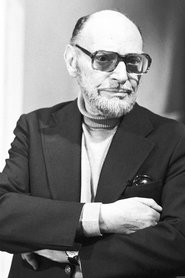
Yuli Raizman
Actor & Director
Born: December 15, 1903 in Moscow, Russian Empire Died: December 11, 1994 Active: 1925-1988 Birth Name: Yuli Yakovlevich Raizman
Films
7 films
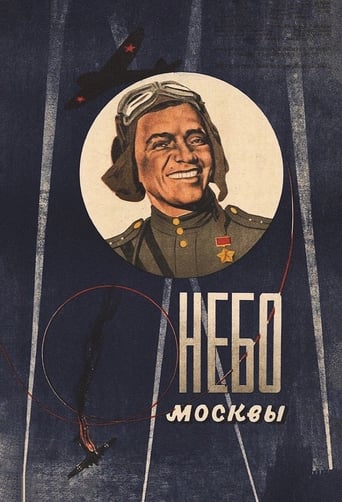
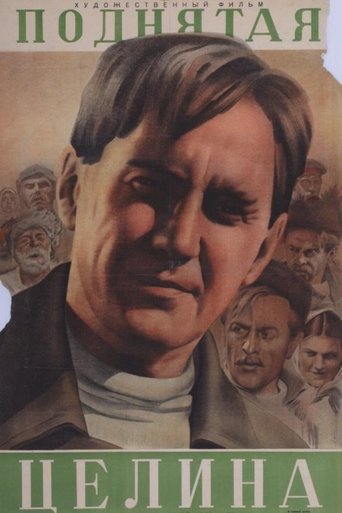
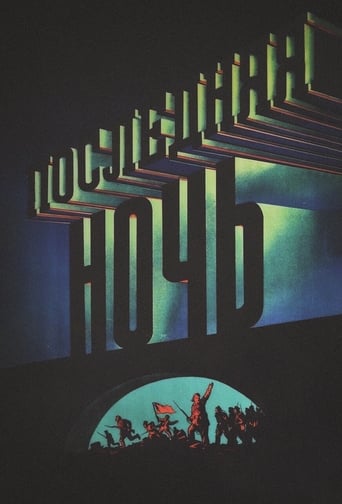

About Yuli Raizman
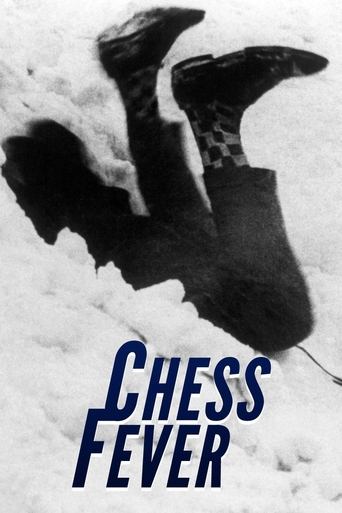
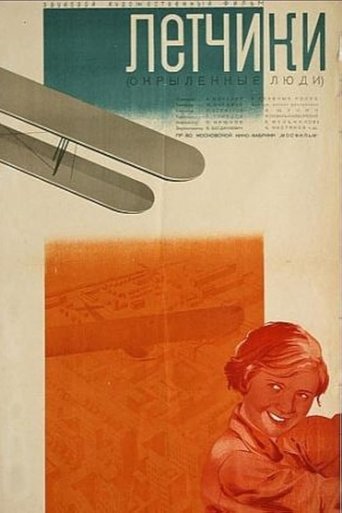
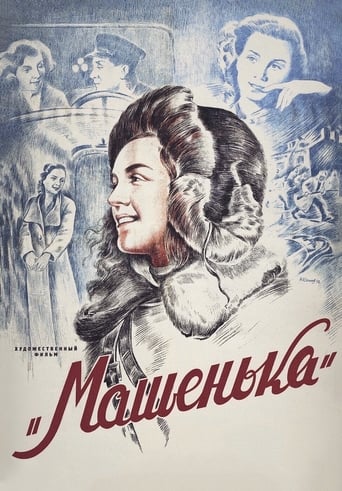
Yuli Raizman was and prolific Soviet film directors of the 20th century, whose over six decades from the silent era through the late Soviet period. Born in Moscow in 1903, he began his film career as an actor in the silent comedy 'Chess Fever' (1925) before transitioning to directing. His directorial debut came with 'The Pilots' (1935), establishing his reputation for creating socially relevant films with strong character development. Raizman's work during the 1930s and 1940s, including 'The Last Night' (1936), 'The New Land' (1940), and 'Mashenka' (1942), demonstrated his ability to blend Soviet ideological themes with humanistic storytelling. He continued directing well into the 1980s, creating notable late-career works like 'Private Life' (1982), which won the Special Jury Prize at Cannes. Raizman was known for his versatility, tackling various genres from war films to intimate dramas, always maintaining a focus on the psychological depth of his characters. His films often explored themes of personal responsibility, moral choice, and the individual's relationship with society, making him one of Soviet cinema's most humanistic voices.
The Craft
On Screen
As an actor, Raizman appeared primarily in silent films, most notably in 'Chess Fever' where he demonstrated the expressive, physical style characteristic of Soviet silent cinema. His performances were characterized by exaggerated gestures and facial expressions typical of the era, with a particular talent for comedic timing and physical comedy.
Behind the Camera
Raizman's directing style evolved significantly throughout his career, beginning with the experimental techniques of Soviet montage theory in his early works and gradually developing into a more psychological and humanistic approach. He was known for his careful attention to character development, nuanced performances, and the ability to weave social commentary into intimate personal stories. His later films featured sophisticated cinematography, complex moral dilemmas, and a focus on the inner lives of his characters rather than overt propaganda.
Milestones
- Acted in Chess Fever (1925)
- Directed The Pilots (1935)
- Directed Mashenka (1942)
- Won Stalin Prize for The New Land (1941)
- Directed The Communist (1957)
- Won Cannes Special Jury Prize for Private Life (1982)
- Named People's Artist of the USSR (1964)
- Received Hero of Socialist Labor (1983)
Best Known For
Iconic Roles
Must-See Films
Accolades
Won
- Stalin Prize (1941)
- Stalin Prize (1943)
- Stalin Prize (1946)
- Stalin Prize (1951)
- State Prize of the USSR (1968)
- Vasilyev Brothers State Prize of the RSFSR (1971)
- Cannes Film Festival Special Jury Prize (1982)
- Hero of Socialist Labor (1983)
Nominated
- Cannes Film Festival Palme d'Or (1958) for The Communist
- Cannes Film Festival Palme d'Or (1976) for A Strange Woman
- Academy Award for Best Foreign Language Film (1984) for Private Life
Special Recognition
- People's Artist of the USSR (1964)
- Order of Lenin (multiple times)
- Order of the October Revolution
- Order of the Red Banner of Labor
- Lenin Prize (1990)
Working Relationships
Worked Often With
Studios
Why They Matter
Impact on Culture
Yuli Raizman played a crucial role in shaping Soviet cinema's humanistic tradition, creating films that transcended mere propaganda to explore complex human emotions and moral choices. His work helped establish a more nuanced approach to Soviet filmmaking that could satisfy ideological requirements while maintaining artistic integrity. Raizman's films, particularly his later works like 'Private Life,' were instrumental in opening Soviet cinema to more critical examinations of Soviet society and individual psychology. His international recognition, including awards at Cannes, helped bring Soviet cinema to global audiences and demonstrated that Soviet filmmakers could compete artistically with their Western counterparts.
Lasting Legacy
Yuli Raizman's legacy endures as one of Soviet cinema's most consistent and humanistic voices, a director who successfully navigated the treacherous political waters of the Soviet system while maintaining his artistic vision. His films remain important documents of Soviet life and values, offering insights into how ordinary people lived and struggled under the communist system. Raizman's ability to create compelling personal stories within the constraints of Soviet censorship influenced generations of Soviet and Russian filmmakers. His late-career masterpiece 'Private Life' is particularly celebrated for its brave examination of a bureaucrat's crisis of identity in the post-Stalin era, a theme that resonated deeply with Soviet audiences.
Who They Inspired
Raizman influenced numerous Soviet and Russian filmmakers through his emphasis on psychological realism and character-driven narratives. His ability to balance social commentary with intimate human stories provided a model for directors working within state-controlled film industries. Directors like Andrei Tarkovsky, though stylistically different, learned from Raizman's approach to exploring spiritual and philosophical themes through cinema. His work also demonstrated how filmmakers could use personal stories to make broader social critiques, a technique adopted by many dissident and reformist directors in the later Soviet period.
Off Screen
Yuli Raizman was married twice during his lifetime. His first marriage was to actress Zoya Fyodorova, though their relationship ended tragically. He later married Svetlana Raizman, with whom he spent the remainder of his life. Despite his prominence in Soviet cinema, Raizman maintained a relatively private personal life, focusing intensely on his craft. He was known among colleagues as a demanding but fair director who expected complete dedication from his cast and crew. Raizman continued working almost until his death, demonstrating his lifelong passion for cinema.
Education
Graduated from the State Technical School of Cinematography (VGIK) in 1924, where he studied under prominent Soviet filmmakers and learned the theoretical foundations of cinema, particularly montage theory.
Family
- Zoya Fyodorova (1928-1930s)
- Svetlana Raizman (1940s-1994)
Did You Know?
- Began his career as an actor before transitioning to directing
- His film 'Chess Fever' (1925) featured a cameo by chess champion José Raúl Capablanca
- Was one of the few Soviet directors to successfully work from the silent era through the Glasnost period
- His film 'The Communist' (1957) was one of the first Soviet films to critically examine the revolutionary period
- Raizman continued directing into his 80s, making him one of cinema
- s oldest working directors',
- His film 'Private Life' (1982) was controversial for its portrayal of a Soviet bureaucrat's personal crisis
- Served as a jury member at the Cannes Film Festival multiple times
- Was a professor at VGIK, teaching future generations of Soviet filmmakers
- His films were often more popular internationally than domestically
- Survived multiple political purges and shifts in Soviet cultural policy
In Their Own Words
Cinema is not just entertainment, it's a mirror that reflects society and helps us understand ourselves
The most important thing in film is truth - not just factual truth, but emotional truth
A director must be both a psychologist and a sociologist to understand his characters and their world
Every film is a battle between art and ideology, and the director must find the balance
The camera should not just record, it should reveal the hidden depths of human experience
Frequently Asked Questions
Who was Yuli Raizman?
Prominent Soviet on YTB.my. He was known for his humanistic approach to filmmaking and his ability to create psychologically complex characters while working within the Soviet system.
What films is Yuli Raizman best known for?
Titles linked here include Chess Fever (1925), The Pilots (1935).
When was Yuli Raizman born and when did he die?
Born December 15, 1903; died December 11, 1994.
What awards did Yuli Raizman win?
Raizman won numerous prestigious awards including multiple Stalin Prizes, the State Prize of the USSR, the Cannes Film Festival Special Jury Prize for 'Private Life,' and was named People's Artist of the USSR and Hero of Socialist Labor.
What was Yuli Raizman's directing style?
Raizman's directing style evolved from early Soviet montage techniques to a more psychological and humanistic approach. He was known for his focus on character development, moral complexity, and the ability to weave social commentary into intimate personal stories, always maintaining artistic integrity while working within Soviet constraints.