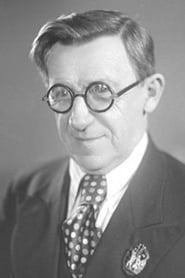
Ivan Pelttser
Actor
Born: November 15, 1900 in Odessa, Russian Empire (now Ukraine) Died: May 21, 1978 Active: 1932-1958 Birth Name: Ivan Ivanovich Pelttser
Films
6 films
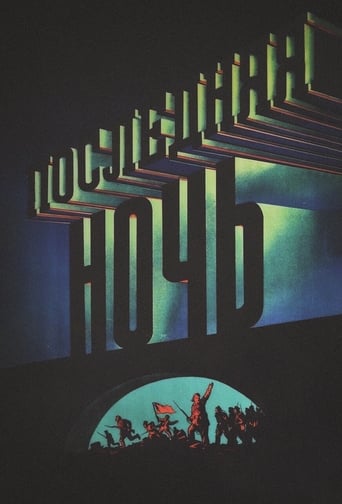
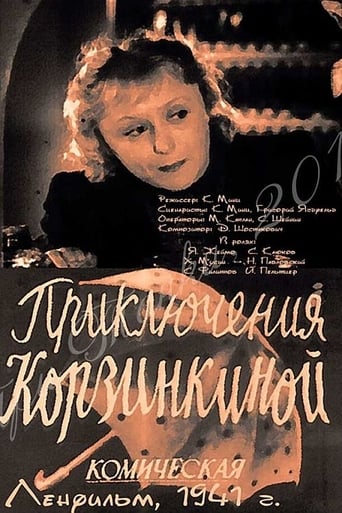
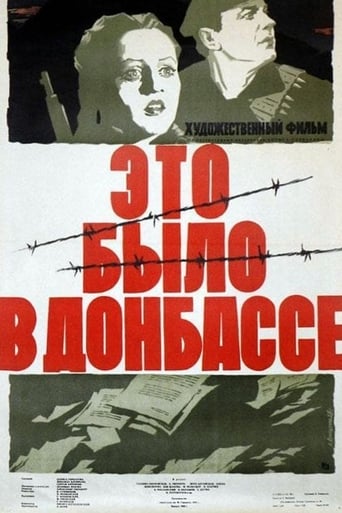
About Ivan Pelttser
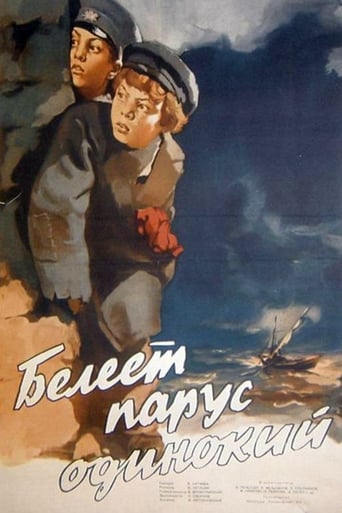
Ivan Ivanovich Pelttser — Soviet actor active from the early 1930s through the 1950s, establishing himself as recognizable character actors of his era. Born in Odessa in 1900, he began his artistic journey in theater before transitioning to cinema during the golden age of Soviet filmmaking. Pelttser developed a reputation for portraying authentic working-class characters, often bringing warmth, humor, and humanity to roles that represented the common Soviet citizen. His breakthrough came with his performance in 'The Lonely White Sail' (1937), which showcased his naturalistic acting style and ability to connect with audiences. Throughout his career, he collaborated with prominent Soviet directors and appeared in over 50 films, becoming a beloved figure in Soviet cinema. Despite the political pressures of the Stalinist era, Pelttser maintained his artistic integrity and continued to work steadily through World War II and into the post-war period. His contributions to Soviet cinema were recognized with prestigious state honors, cementing his legacy as reliable and respected character actors of his generation.
The Craft
On Screen
Pelttser was known for his naturalistic and understated acting style, which contrasted with the more theatrical approaches common in early Soviet cinema. He specialized in portraying working-class characters with authenticity and warmth, often using subtle facial expressions and body language to convey deep emotions. His performances were characterized by their humanity and relatability, making him particularly effective in roles that required audiences to connect with ordinary Soviet citizens. He had a remarkable ability to balance comedy with drama, often bringing gentle humor to serious situations without undermining their emotional weight.
Milestones
- Breakthrough role in 'The Lonely White Sail' (1937)
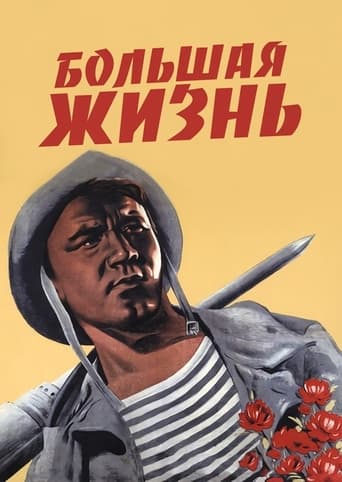
- Acclaimed performance in 'A Great Life' (1939)
- Awarded title of Honored Artist of the RSFSR
- Prolific character actor in Soviet cinema
- Worked with prominent Soviet directors including Alexander Zarkhi and Iosif Kheifits
Best Known For
Iconic Roles
Must-See Films
Accolades
Won
- Honored Artist of the RSFSR (1951)
- Order of the Red Banner of Labour (1950)
- Medal 'For Valiant Labour in the Great Patriotic War 1941-1945'
Nominated
- Stalin Prize nomination for 'A Great Life' (1939)
Special Recognition
- Honored Artist of the RSFSR
- Veteran of Labour medal
- Commemorative medal for the 800th anniversary of Moscow
Working Relationships
Worked Often With
Studios
Why They Matter
Impact on Culture
Ivan Pelttser significantly influenced Soviet cinema by helping establish the archetype of the authentic working-class character that became central to socialist realist films. His naturalistic acting style provided a counterpoint to the more theatrical performances common in early Soviet cinema, contributing to the development of more realistic screen acting techniques. Through his numerous film appearances, he helped shape popular perceptions of the ideal Soviet citizen - hardworking, honest, and devoted to the collective good. His performances in films like 'A Great Life' and 'The Lonely White Sail' became cultural touchstones that were studied by actors and referenced by directors for decades. Pelttser's work represented the human face of Soviet industrialization and collectivization, making complex political themes accessible to mass audiences through relatable characters.
Lasting Legacy
Ivan Pelttser's legacy endures through his extensive filmography, which remains an important record of Soviet life and culture during the Stalin era. His performances continue to be studied by film scholars as examples of character acting within the constraints of socialist realism. Many of his films, particularly 'The Lonely White Sail' and 'A Great Life', are considered classics of Soviet cinema and are still screened at film festivals and retrospectives. The acting techniques he pioneered for portraying working-class characters influenced generations of Soviet and Russian actors. His dedication to his craft and his ability to bring humanity to ideologically charged roles set a standard for character actors in Soviet cinema. Today, film historians recognize Pelttser as.
Who They Inspired
Pelttser influenced subsequent generations of Soviet character actors through his naturalistic approach to portraying working-class people. His technique of combining subtle comedy with dramatic moments became a model for actors in socialist realist cinema. Younger actors studied his performances to learn how to convey complex emotions within the restrictive parameters of Soviet film production. His work with directors like Zarkhi and Kheifits helped establish new standards for ensemble acting in Soviet films. The authenticity he brought to his roles influenced how Soviet cinema depicted ordinary citizens, moving away from caricature toward more nuanced representations. His mentoring of younger actors at Mosfilm helped transmit his acting philosophy to the next generation of performers.
Off Screen
Ivan Pelttser led a relatively private life away from the spotlight, focusing primarily on his craft and family. He married fellow actress Elena Maksimova in 1935, and their marriage lasted until his death in 1978. The couple had one son, Vladimir Pelttser, who also pursued a career in the arts as a theater director. Despite his fame, Pelttser remained humble and maintained close connections with his Odessa roots throughout his life. He was known among colleagues as a generous mentor and a reliable professional who never missed a performance or filming session. In his later years, he suffered from declining health but continued to accept small roles in films until his retirement in the late 1950s.
Education
Odessa Theater School (graduated 1922)
Family
- Elena Maksimova (1935-1978)
Did You Know?
- Despite being born in Odessa, Pelttser spoke with a slight Moscow accent in most films to appeal to broader Soviet audiences
- He was originally trained as a stage actor before transitioning to cinema
- During World War II, he performed for soldiers at the front lines alongside other Soviet actors
- His role in 'A Great Life' was specifically written for him by director Alexander Zarkhi
- Pelttser was known for his photographic memory and rarely needed more than one take for his scenes
- He continued to receive fan mail from across the Soviet Union long after his retirement
- His final film appearance was an uncredited cameo in 1958
- He was a close friend of fellow actor Nikolai Kryuchkov, with whom he appeared in six films
- Pelttser — accomplished chess player and often played between takes
- He survived the Great Purge of the 1930s, during which many of his colleagues were arrested or executed
In Their Own Words
The actor's greatest responsibility is to be truthful to the character, even when the character must serve a greater purpose
Every working man has a story worth telling, and it's our job as artists to find it
In cinema, as in life, the smallest gesture can speak louder than words
I never played heroes or villains - I played people, and people are never simple
Frequently Asked Questions
Who was Ivan Pelttser?
Prominent Soviet with credits in this catalog. He appeared in over 50 films and was awarded the title of Honored Artist of the RSFSR for his contributions to Soviet cinema.
What films is Ivan Pelttser best known for?
Titles linked here include The Lonely White Sail (1937), A Great Life (1939).
When was Ivan Pelttser born and when did he die?
Born November 15, 1900; died May 21, 1978.
What awards did Ivan Pelttser win?
Pelttser received the title of Honored Artist of the RSFSR in 1951, the Order of the Red Banner of Labour in 1950, and the Medal 'For Valiant Labour in the Great Patriotic War 1941-1945'. He was also nominated for the Stalin Prize for his performance in 'A Great Life' (1939).
What was Ivan Pelttser's acting style?
Pelttser was known for his naturalistic and understated acting style, specializing in authentic portrayals of working-class characters. He used subtle expressions and body language to convey deep emotions, balancing comedy with drama and bringing humanity to ideologically charged roles.